
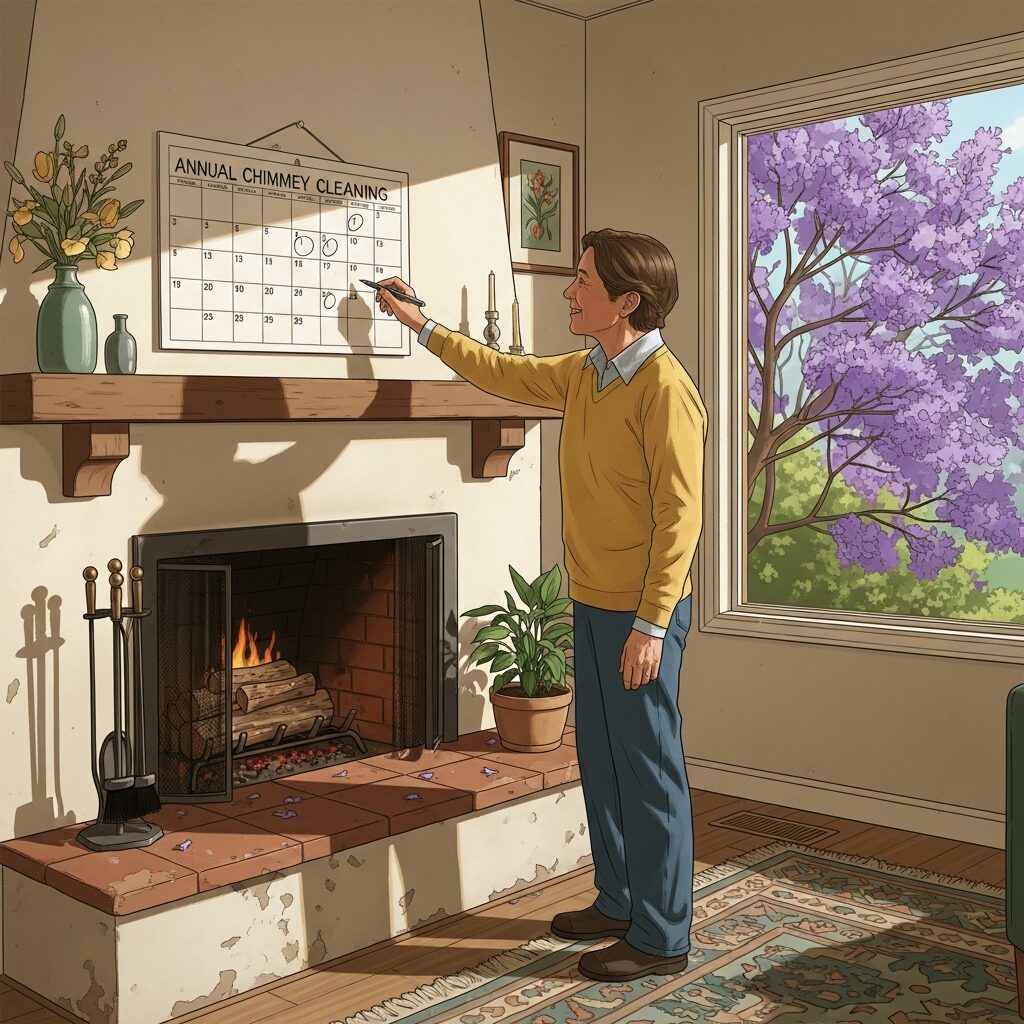
Recommended Chimney Cleaning Frequency in Sherman Oaks, California
Ask three neighbors in Sherman Oaks how often they use their fireplaces and you will hear three very different answers. One lights a cheerful blaze every cool evening in December, another sparks up on special occasions, and a third relies on a gas set for a steady glow without the mess. That variety is exactly why frequency recommendations benefit from local insight. Our Valley microclimate, with breezes tugging down from the canyons and warm, dry afternoons that yield to crisp nights, creates conditions that influence how quickly soot, fine dust, and wind-blown debris accumulate. The right cleaning rhythm balances those realities with how you actually use your hearth. In short, the best schedule for your home aims for safety first and performance always, and professional chimney cleaning is the practical way to keep that balance year after year.
Every fireplace, whether wood-burning or gas, benefits from an annual inspection. This baseline check confirms that the flue is clear, caps are secure, and components like dampers and spark arrestors are working as they should. From there, cleaning frequency depends on use patterns and findings. A heavily used wood-burning fireplace often warrants a full sweep each year, while a lightly used one may go longer between cleanings if inspections remain clear. Gas systems generally accumulate less residue but still collect dust and require venting checks. That is the broad picture; the details come from the way Sherman Oaks homes live with their fireplaces in real life.
Local Conditions That Influence Timing
Valley winds are more than a weather report—they are a maintenance reality. Santa Ana episodes and blustery afternoons can carry fine particulates that settle inside caps, screens, and the upper sections of flues. After a season of gusty days, even an infrequently used chimney may hold enough wind-borne debris to merit attention. Wildfire smoke from elsewhere in the region sometimes adds to the mix. You may not have lit a single fire, yet a faint ashy scent lingers at the hearth when the damper is open. That is a clear signal to schedule service before the next use.
Moisture and temperature swings also play a role. Cool mornings can leave a hint of condensation inside the flue, particularly on shaded roofs. When that moisture meets existing soot, it can form a film that slows draft. The result is a fireplace that hesitates when you light it, sending a wisp of smoke into the room before the column warms and rises. A clean, smooth flue counters that behavior, especially at the season’s start.
How Use Patterns Shape the Calendar
Consider three common profiles. The frequent-fireplace household enjoys a blaze several times a week during the cool months. For them, an annual cleaning is a smart default, with a mid-season check if startup becomes sluggish or odors increase. The occasional-fireplace home lights perhaps a handful of times a year. Even there, an annual inspection paired with cleaning as needed keeps surprises at bay, particularly if several windy spells have occurred. The decorative or gas-log home relies on atmosphere more than heat. While residues are lighter, an annual inspection is still important to ensure that sensors, burners, and venting remain in top shape.
Renovations and lifestyle changes can also reset the clock. If you recently switched from wood to gas, the first year deserves special attention, as older soot mingles with lighter new deposits and movement patterns adjust. If you welcomed a new pet or rearranged furniture around the hearth, airflow in the room may change, nudging draft behavior. These are small shifts, but they add up. A quick check-in with a seasoned technician makes sure the system still responds exactly as you expect.
Why Annual Inspections Matter
An inspection is the moment when a professional reads your chimney’s story. From the firebox to the cap, each component offers clues. The smoke chamber reveals whether residue lingers where it can fall back during startup. Flue walls show how hot your typical fires run and whether the fuel is well seasoned. The damper’s movement hints at moisture exposure or past wear. Caps and screens tell a tale of wind patterns and nearby trees. Together, these observations determine whether cleaning is needed now or can wait, and they point to small improvements that make a big difference—like a minor cap adjustment that counters a stubborn downdraft at the end of your street.
Signs You Shouldn’t Wait
Between annual checkups, your fireplace leaves messages. If kindling smolders longer than it used to before catching, residue may be slowing draft. If you notice a persistent campfire smell even when the hearth is cold, deposits may be clinging in the smoke chamber or upper flue. If you see black flecks or bits of leaf in the firebox, wind-blown material could be collecting at the cap and working its way down. And if smoke drifts into the room at the start of a fire, the passage may be narrowed enough to merit a prompt sweep. Responding to these clues early keeps evenings cozy and care uncomplicated.
Homeowners sometimes ask whether long stretches of non-use protect a chimney. In practice, dormancy invites its own issues. Dust finds every quiet surface, humidity settles lightly, and the occasional curious bird may investigate the cap. When the first fire comes after a long break, those quiet accumulations can send odors and particulates into the room. A quick appointment before the season starts sidesteps all of that and sets the stage for a winter of easy, clean burns.
Special Considerations for Sherman Oaks Homes
Architecture influences frequency, too. Many mid-century homes feature open living areas where the fireplace anchors gatherings; those wood-burning systems tend to benefit from annual cleanings. Spanish-style bungalows and classic ranches with masonry chimneys often have smoke chambers that trap residue more readily and therefore appreciate consistent attention. Hillside properties with taller flues and more cap exposure to wind may need checks a bit more often simply because debris loads accumulate faster at the top. Prefabricated systems, common in remodels, are efficient but call for manufacturer-sensitive methods; annual inspections keep them performing as designed.
Proximity to trees matters. Jacaranda blossoms, eucalyptus leaves, and seed pods all ride the breeze. Homes beneath generous canopies often find screens filling sooner, which can reduce draft subtly before it becomes obvious during lighting. If you are in a leafy pocket of Sherman Oaks, a mid-season glance at the cap combined with a brief draft test can prevent headaches on your next cozy evening.
What a Professional Visit Includes
Expect a clear process centered on protection and communication. The technician begins with a visual survey, notes your use patterns, and checks the firebox, damper, smoke chamber, and visible flue. Inside, clean drop cloths and high-efficiency vacuums keep the space pristine. Brushing is tailored to your system—gentle and system-appropriate for metal liners, assertive but careful for masonry tiles. The smoke chamber receives special focus because of its influence on startup behavior. Up top, caps and crowns are assessed, screens cleared, and any wind-related quirks documented. Before the team leaves, you review photos and observations so you can see exactly what changed and why the chimney is ready for the season ahead.
For gas fireplaces, the visit includes burner and sensor checks, cleaning of dust-prone components, and confirmation that venting is unobstructed. Many homeowners are surprised by how much smoother ignition becomes after a careful tune, and how the flame pattern steadies when small obstructions are removed. Even purely decorative uses feel more satisfying when the system responds instantly.
Building a Rhythm You Can Trust
The most reliable schedule is the one you can remember and keep. Many Sherman Oaks residents tie chimney care to other recurring tasks: replacing HVAC filters, servicing the pool, or preparing guest rooms for holiday visitors. A spring or early fall inspection turns into a ritual, and the home feels better for it. Fires start without fuss, odors vanish, and the living room air stays clear. That rhythm also makes it easier to handle small concerns before they grow, whether that is a hairline crack on the crown or a screen that clogs too quickly under a favorite shade tree.
Midway through the cool season, a brief check can be useful if you have been burning often or noticed a change in behavior. Technicians can confirm that airflow remains strong, touch up the smoke chamber if needed, and clear any wind-blown material from the cap. That fifteen minutes of attention can reset the fireplace for the second half of the season, keeping gatherings easy and evenings peaceful.
Frequently Asked Questions
Is once a year really necessary if I rarely use my fireplace?
An annual inspection is a smart baseline even for rare use. Our local winds and seasonal particulates can introduce debris that affects startup and odor, so confirming a clear passage each year is wise.
How does tree cover affect the schedule?
Homes under dense canopies often see screens fill faster with leaves and blossoms. If your cap is frequently loaded, consider a mid-season check to keep draft strong and lighting easy.
What about gas fireplaces—do they follow the same frequency?
Gas systems typically need less cleaning, but an annual inspection and light maintenance keep burners, sensors, and venting in excellent shape. That quick visit pays off with reliable ignition and steady flame quality.
Are there signs I should move my appointment sooner?
Yes. Slow startups, lingering smoky odors when the hearth is cold, or bits of debris in the firebox suggest it is time to schedule ahead of your usual rhythm.
Does rain or morning moisture change anything?
Light condensation can form in the flue during cooler mornings, and when it meets existing residue it can influence draft. A clean, smooth interior minimizes that effect and helps fires start cleanly.
Can I clean just the cap and skip the rest?
Keeping the cap clear is helpful, but chimney performance depends on the entire pathway, including the smoke chamber and liner. A complete approach delivers the consistent results you feel at every lighting.
Plan Your Next Step
Set yourself up for easy, satisfying fires by building a simple routine: a dependable annual inspection, cleaning as needed based on real findings, and a quick check when winds have been wild. If you are ready to create a schedule that fits your home and habits, book professional chimney cleaning and enjoy a season of comfort with confidence.