
Chimney Inspection and Cleaning in Sherman Oaks, California
In Sherman Oaks, a fireplace does more than warm a room; it frames the stories of a home. It is where friends gather after strolling Ventura Boulevard, where quiet mornings begin with a gentle glow, and where cool Valley evenings become occasions. To keep that experience safe and seamless, pairing inspection with cleaning is the smartest approach. The two services inform each other: inspection reveals what the system needs, and cleaning restores clear, efficient pathways for smoke and exhaust. Done together, they transform the way your fireplace behaves. Start with a local perspective, fold in careful attention to detail, and the result is a hearth that lights easily, drafts reliably, and feels every bit as welcoming as it looks. When you are ready to take that step, look to expert chimney cleaning that understands Sherman Oaks homes inside and out.
Inspection is where understanding begins. A trained eye reads the clues your chimney presents—from the color and texture of soot to the way the damper moves, from hairline lines on the crown to the first hint of a loose cap. These small signs answer big questions: How hot have your fires been? Is the fuel well-seasoned? Are local winds influencing draft? Is moisture sneaking in during cool mornings? An inspection gathers that information in a structured way so that cleaning can be targeted and effective, not just routine.
What a Complete Inspection Looks Like
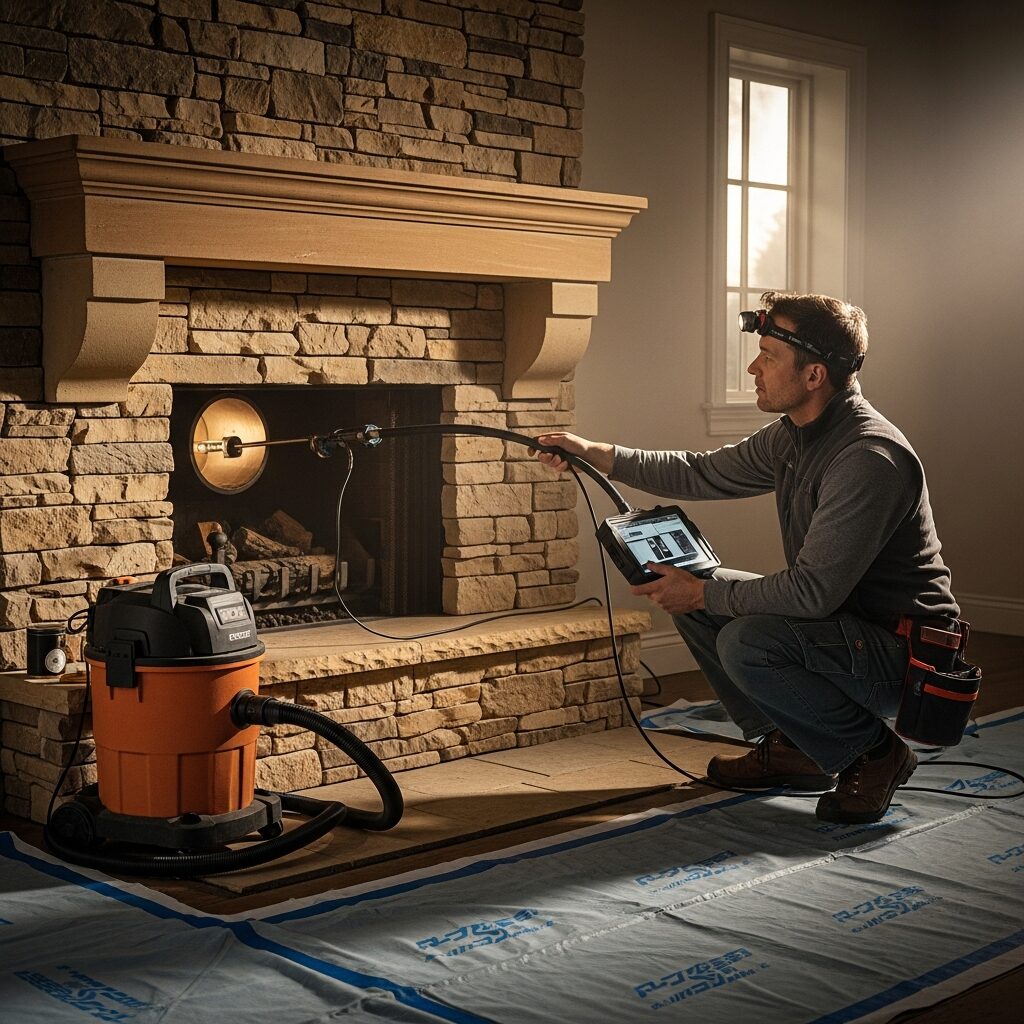
A visit typically begins with a conversation. You share how often you use the fireplace, what kind of fuel you burn, and whether you have noticed odors or slow starts. The technician inspects the firebox for cracked brick or refractory panels, checks the damper for smooth operation, and studies the smoke chamber—the critical transition zone above the damper where residue often lingers. Depending on your system and findings, cameras may be used to see farther up the liner, capturing images that reveal tile condition, joints, offsets, and any unusual discoloration. On the roof, the cap, crown, and flashing are evaluated, screens cleared, and the immediate surroundings noted for tree cover and wind exposure.
For prefabricated systems, the process follows manufacturer-sensitive guidelines. Metal flues require gentle, approved tools; joints and supports are examined; and termination caps are verified for fit and integrity. Gas systems receive attention to burners, sensors, and glass doors if present, ensuring that dust and minor obstructions do not undermine reliable ignition or clean combustion. Documentation matters here: photos and clear notes give you a record of current condition and help you make sensible decisions about any next steps.
Cleaning with Purpose
Once inspection clarifies the state of the system, cleaning proceeds with a clear plan. Inside, furniture and flooring are protected with clean drop cloths, and high-efficiency vacuums control fine particulates. The flue is brushed with tools suited to its material—clay tile brushes for masonry, soft-system tools for metal. The smoke chamber gets special focus because it so often shapes startup behavior: when clean and as smooth as practical, it allows smoke to rise swiftly rather than billow back. Caps and screens at the top are cleared of leaves, seed pods, and dust that Valley breezes can push into place, and a quick check confirms that the crown is shedding water as intended.
Why pair inspection with cleaning rather than schedule them separately? Because findings inform the very next step. If the inspection suggests an offset or rough area that catches residue, the cleaning plan adapts on the spot. If a cap is positioned in a way that invites downdrafts during seasonal winds, a technician can propose an adjustment while still on-site. That immediacy saves time and gives you a clear sense of progress from the moment the appointment ends.
Local Realities That Shape the Work
Sherman Oaks residents see more than their share of breezy afternoons. Leaves swirl, dust travels, and distant smoke can tint the air. Even in homes where the fireplace is used sparingly, fine particulates settle over time. An inspection sees these quiet accumulations for what they are: small, manageable issues now that could create odors or slow startups later. Paired cleaning clears them before they become frustrations. In hillside neighborhoods, steep roof pitches call for careful access; on the flats, tree canopies may demand extra cap attention. A local team knows these patterns and arrives prepared.
Older homes often blend original hearths with renovations. A 1950s ranch might have a classic masonry chimney in a living room that has been updated with new flooring and furnishings. In such spaces, respectful containment is as important as technical skill. No one wants ash traveling beyond the hearth or scuffs near a newly refinished floor. Professional crews move with deliberate care, set up clean work zones, and leave the space as spotless as they found it—except for a flue that now shines and a smoke chamber that lets fires start immediately.
Gas Fireplaces: Clean, Convenient, and Still Worth a Check
Many homeowners switch to gas for convenience, and with good reason. Reliable ignition and low residue are appealing. Still, gas appliances live better with regular attention. Dust and pet hair drift toward warm components; sensors lose sensitivity; and venting can become partially obstructed over time. An inspection-then-cleaning appointment for a gas system focuses on these quiet troublemakers. The result is instant start-up, an even flame pattern, and the peace of mind that comes from knowing exhaust moves out of the home the way it should.
Hybrid setups—gas starters in wood-burning fireplaces—deserve particular attention. They combine two sources of residue and invite varied use patterns. A technician will pay close attention to how the initial burst of gas interacts with existing soot and whether that early plume flows freely into the flue. When the pathway is clear and the chamber clean, the transition from ignition to sustained burn feels seamless.
Why Documentation Matters
Photos and notes might seem like extras, but they are the thread that connects each appointment to the next. A quick set of images of the flue interior, the smoke chamber, the cap, and the crown gives you a tangible baseline. Next year, those images make it easy to spot change—good or bad—and decide what to do. If a hairline crack on the crown has held steady, you can watch it season to season. If a cap that once stayed clean now fills more quickly, you can consider adjusting its position or trimming a nearby branch. Information makes decisions easy and defuses worry.
What You Will Feel After a Good Appointment
The first fire after a combined inspection and cleaning tells the story. The match catches confidently, kindling flares without hesitation, and smoke rises with a steady pull you can sense as you lean near the hearth. There is no campfire smell after everything cools, and glass doors stay clearer. A week later, the room still smells like your home, not last Saturday night’s fire. That experience—quiet, dependable, comfortable—is what the work is really about.
Scheduling Tips That Fit Sherman Oaks Life
Early fall and late spring are ideal times to book. Schedules are flexible, breezes are lively but predictable, and you are not competing with first-cold-night rushes. If you burned often through a cool spell or noticed a change—slower start, a hint of smoke at the edge of the room, or a whisper of odor when the fireplace is cold—consider a mid-season check. Small adjustments made promptly keep everything effortless for the rest of the year.
Frequently Asked Questions
Do I need both inspection and cleaning every year?
An annual inspection is a smart constant. Cleaning follows based on what the inspection finds and how often you use the fireplace. Many homes benefit from a yearly sweep; lightly used or gas systems may need less frequent cleaning but still appreciate routine checks.
How long does a combined visit usually take?
Time depends on system type, roof access, residue levels, and documentation. Straightforward appointments move quickly; more complex systems deserve the extra attention that ensures great results and complete protection of your living space.
Will the process be messy?
It should not be. Professional crews build clean containment, use high-efficiency vacuums, and handle ash and soot with care. When they leave, the only change you should notice is a fireplace that performs better.
What if I have not used my fireplace in a year or more?
Schedule an inspection. Dormant systems collect dust and can admit wind-blown debris. A quick evaluation and cleaning if needed will reset the system so your first fire is as clean and easy as you expect.
Are caps and spark arrestors really necessary?
Yes. In our area, caps and screens guard against wind-driven debris, animals, and embers. Keeping them clear and secure is central to good draft and overall fireplace performance.
Does this apply to gas-only systems?
Absolutely. Gas appliances run better with periodic cleaning and confirmation that venting is unobstructed. You gain reliable ignition and consistent flames, season after season.
Take the Next Step
When inspection and cleaning come together, your fireplace rewards you with easier starts, stronger draft, and a home that smells fresh after every fire. If you are ready for that experience, schedule professional chimney cleaning and let a local expert tailor the service to your Sherman Oaks home.