
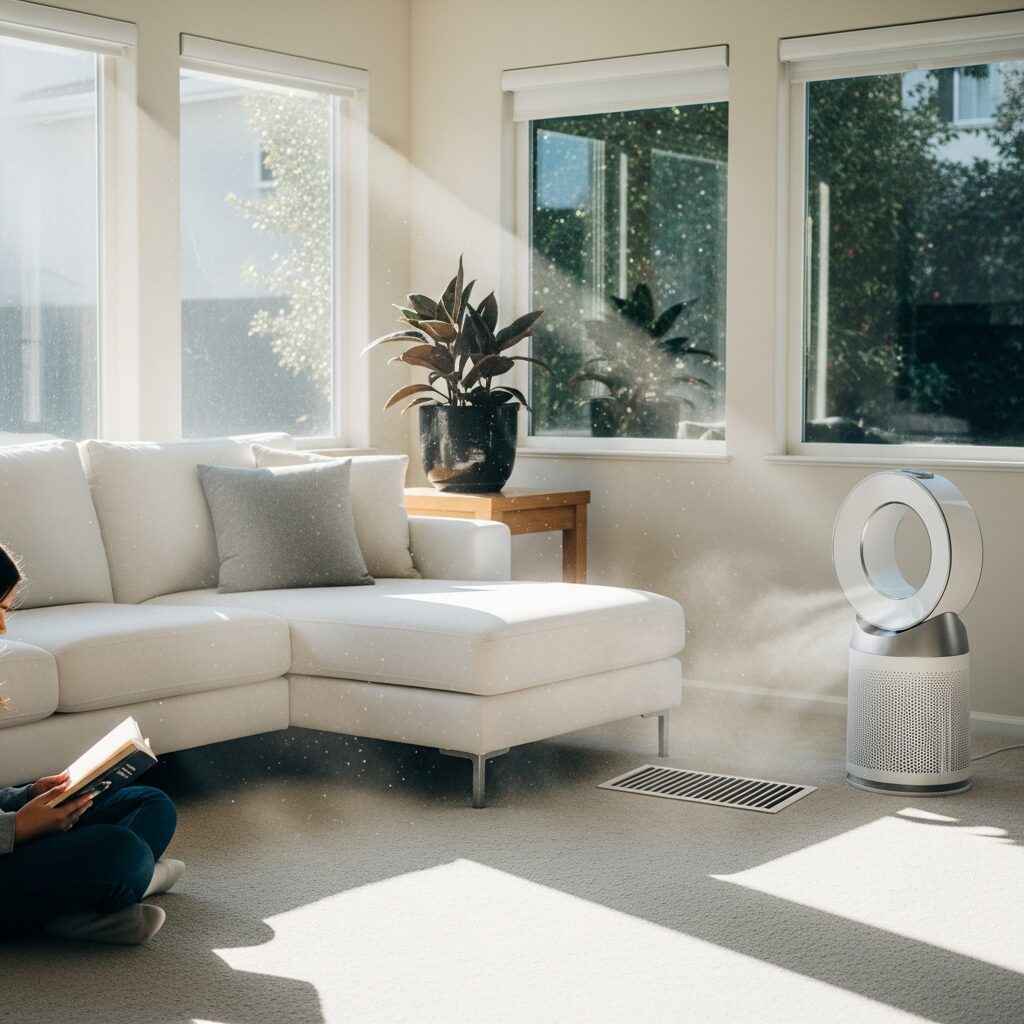
Air Duct Cleaning Benefits for Allergies in Sherman Oaks, California
If you live in Sherman Oaks and deal with allergies, you already know the pattern: a few breezy days, a warm afternoon, and suddenly your nose and eyes remind you that pollen season has arrived again. Add in the Valley’s dry dust, occasional smoky air, and the reality that many of us keep windows closed for comfort or noise, and indoor air can start to feel like it has a life of its own. Because your HVAC system recirculates air through the home, the ductwork becomes a central pathway for particles—some harmless, some irritating. That’s why many residents look into air duct cleaning as part of a broader plan to make the house feel like a refuge when outdoor conditions are less friendly.
It’s important to set honest expectations. Duct cleaning isn’t a cure for allergies, and it won’t eliminate every trigger. Allergies can be driven by outdoor pollen that comes in on clothes and pets, by indoor dust mites in fabrics, or by sensitivities that have nothing to do with HVAC at all. But for many Sherman Oaks households, cleaning the ventilation pathways can reduce the amount of accumulated dust and debris that cycles through the system, which may help the home feel more breathable and calm.
Why Ductwork Matters When You’re Allergy-Prone
When the AC or heat runs, air moves through supply ducts into rooms and returns back to the system. Over time, fine particles can settle inside those pathways. Each time the system cycles, airflow can disturb that settled material. Even when you use good filters, tiny particles can still pass through or enter the system through small gaps around returns or duct joints. In a place like Sherman Oaks, where HVAC use can be frequent for months, that repeated circulation is what makes ducts relevant to allergy comfort.
People often focus on visible dust on shelves, but what you don’t see can matter just as much. If your ducts hold a layer of debris from years of living—skin cells, fabric fibers, pet dander, and tracked-in outdoor dust—it can contribute to that “why do I feel it most when the AC turns on?” sensation. Duct cleaning targets the hidden surfaces that normal house cleaning can’t reach.
Sherman Oaks Allergy Triggers and Indoor Air Reality
Our neighborhood sits in a busy part of the Valley with plenty of traffic corridors, active construction pockets, and seasonal plant cycles. On windy days, dust can move quickly. During spring, pollen can feel constant. If you live near a major street or freeway access point, you may notice more fine particulate on window sills and outdoor furniture. That same particulate can find its way indoors, especially as doors open and close and air pressure shifts when the HVAC runs.
Many homes also have features that encourage keeping things closed up—air conditioning on hot afternoons, insulation upgrades that tighten the envelope, and a preference for quiet interiors away from street noise. Those are good things for comfort, but they mean indoor air is recirculated more. When indoor air is recirculated, the cleanliness of the pathways becomes more noticeable, particularly for residents who are sensitive to irritants.
What Benefits Allergy Sufferers Often Notice
The most common benefit people describe is a general sense that the air feels less “dusty” when the system runs. That can translate to fewer moments of irritation triggered by airflow—less throat tickle, less sudden sneezing when a vent kicks on, and less of that dry, stale feeling that can make allergy symptoms seem worse. Some homeowners also report that dust settles more slowly on surfaces after a thorough system cleaning, which reduces the cycle of wiping, dusting, and still feeling like the home never stays clean.
Another benefit can be psychological, and it shouldn’t be dismissed. When you’re dealing with allergies, you’re often trying to control what you can: bedding, vacuuming, filters, and cleaning routines. Knowing that the HVAC pathways have been addressed can make the home feel more manageable. Comfort is partly physical and partly the confidence that your environment isn’t working against you.
Duct Cleaning Works Best as Part of a Bigger Strategy
If allergies are a regular issue in your household, duct cleaning is most effective when paired with consistent filtration and good HVAC habits. Filters should fit properly so air doesn’t bypass the edges. Returns should remain unobstructed, because restricted returns can change airflow patterns and increase dust settling. If you have pets, regular grooming and vacuuming with a good machine helps reduce what ends up airborne in the first place.
It’s also important to watch for moisture. While Sherman Oaks is generally dry, moisture can still appear around HVAC components, bathrooms, or kitchens. If there’s any musty odor that suggests dampness, it’s worth investigating further. Duct cleaning can remove dust, but addressing moisture sources is critical for keeping the system and the home feeling healthy.
Mid-Article Clarity: What Professional Cleaning Should Look Like
Not all duct cleaning is equal, and allergy-prone households benefit most from a controlled, comprehensive approach. A professional service should focus on capturing debris rather than stirring it up and letting it settle elsewhere in the home. It typically involves addressing both supply and return pathways and working through the system methodically. If you want a clear picture of what a thorough air duct cleaning service entails, reviewing a process overview can help you ask the right questions and avoid treatments that only touch the visible grilles.
This is where working with a team familiar with Sherman Oaks housing styles helps. Older homes may have modified duct runs from past renovations. Condos may have compact mechanical spaces. Hillside homes may have longer, multi-level routing. A provider who understands these realities is more likely to clean the full pathway rather than stopping at the easiest access points.
When Allergy Symptoms Suggest It’s Time
Allergy sufferers often notice patterns: symptoms worse at night, worse in specific rooms, or worse right after the HVAC turns on. If you’ve already addressed obvious triggers—washed bedding, vacuumed thoroughly, changed filters—and you still feel that indoor air is aggravating, it may be time to look at what the ventilation system is carrying. This is especially true if you’ve moved into a home with an unknown maintenance history or if you’ve recently remodeled and suspect dust may have entered the returns.
Another clue is odor. A dusty smell at startup can indicate that fine debris is sitting in the airflow pathway. While odors can also come from other sources, a persistent “HVAC smell” is one of the most common reasons people explore duct cleaning. For allergy-prone residents, reducing that dusty start-up experience can make daily comfort feel more consistent.
What to Do After Cleaning to Keep Benefits Longer
After ducts are cleaned, your goal is to keep the system from re-accumulating debris quickly. The simplest step is staying consistent with filters and ensuring they are installed correctly. It also helps to keep doors and windows closed on particularly dusty or high-pollen days, then clean entryway floors regularly so tracked-in particles don’t become airborne again. If you have a doormat that actually gets used and you take shoes off indoors, you reduce how much outdoor debris becomes indoor dust.
Pay attention to the return area as well. Returns act like the vacuum intake of your home. If the return grille is dusty, that dust can be pulled inward. Light, regular cleaning around the return and nearby floors can reduce what enters the system. Small habits matter, especially in a place where HVAC runs often and indoor air is recirculated repeatedly.
FAQ: Air Duct Cleaning and Allergies in Sherman Oaks
Q: Will duct cleaning cure my allergies?
A: No. Allergies have many triggers. Duct cleaning can reduce accumulated dust and debris in the HVAC airflow pathways, which may help lessen indoor irritants, but it’s only one part of an allergy-management plan.
Q: Can duct cleaning help with pet dander?
A: It may help reduce dander that has accumulated in the system over time. Ongoing control still depends on grooming, vacuuming, and using properly fitted filters.
Q: I keep my home clean. Do ducts still get dirty?
A: Yes. Even clean homes generate dust from fabrics, skin cells, and outdoor particles that enter when doors open. Over time, some of that material can settle in ductwork, especially with frequent HVAC use.
Q: What if my symptoms are worse in one room?
A: Room-specific issues can be related to airflow balance, a particular duct branch, or how that room is used and cleaned. A thorough service and an HVAC check can help identify whether the ventilation pathway is contributing.
Q: Is duct cleaning more important during pollen season?
A: Many people schedule it when they want a cleaner baseline—often before or during seasons when HVAC use is heavy and outdoor pollen is high. Combined with good filtration, it can support a more comfortable indoor environment.
Make Your Home a Better Refuge
If Sherman Oaks pollen and dust leave you feeling like you can’t fully relax at home, addressing the HVAC pathways can be a practical step toward steadier comfort. Duct cleaning won’t replace filters, vacuuming, or allergy care, but it can reduce the reservoir of accumulated debris that gets recirculated when the system runs. When you’re ready to schedule a thorough air duct cleaning and set a fresher baseline for your indoor air, reach out to a local team and take the next step toward breathing easier at home.