
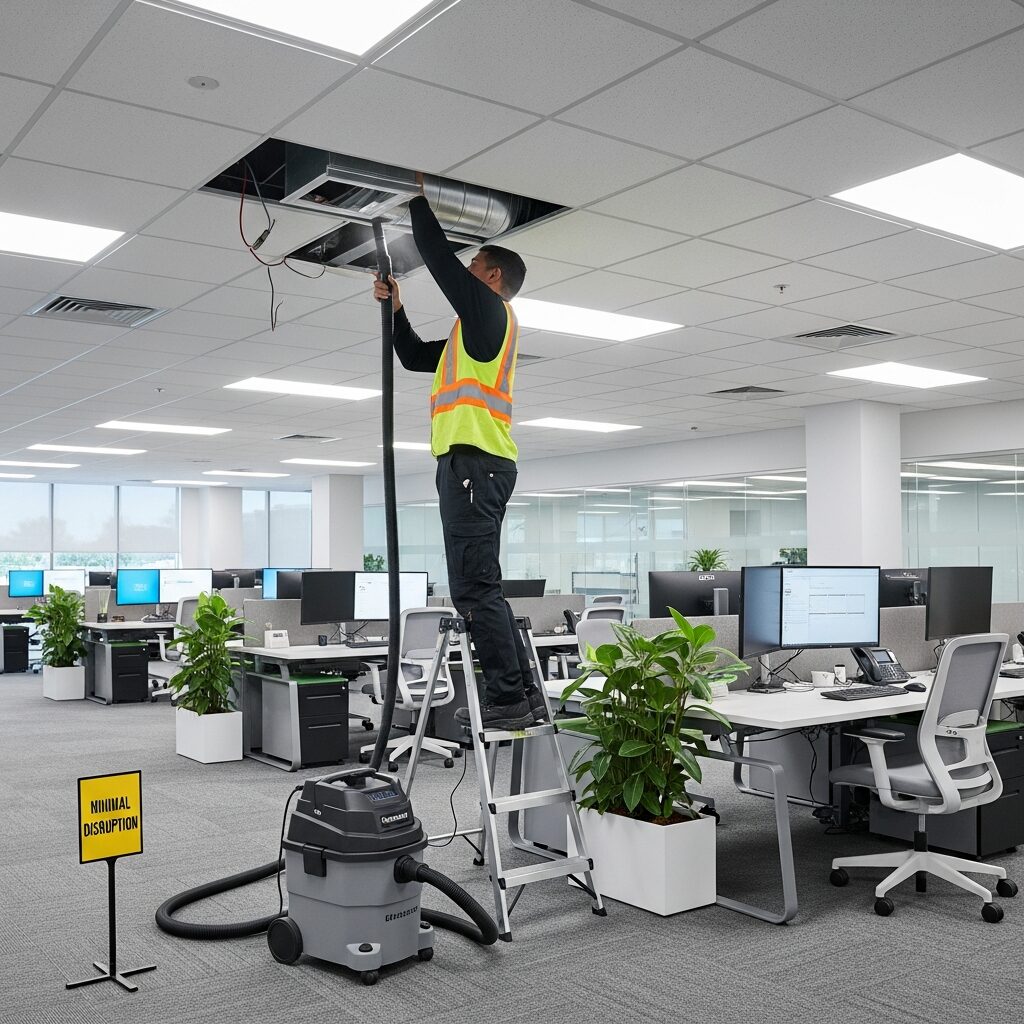
Why Office Air in Sherman Oaks Deserves More Attention Than It Gets
In Sherman Oaks, a lot of business happens indoors: medical suites tucked into mixed-use buildings, creative offices near Ventura Boulevard, professional services operating out of small storefronts, and larger teams working in multi-tenant properties close to the 101. Everyone talks about lighting, noise, and parking, but the thing employees experience every minute they’re at work is the air. When that air feels stale, dusty, or uneven from room to room, productivity and comfort take a quiet hit. That’s where commercial air duct cleaning becomes a practical part of building care, not a luxury.
Office HVAC systems cycle the same air through meeting rooms, open work areas, reception spaces, and back offices day after day. Over time, that airflow can deposit dust and lint inside ductwork, especially around returns and high-traffic zones. If you’re responsible for a workplace in Sherman Oaks, understanding what commercial air duct cleaning involves—and how to plan it with minimal disruption—can make your building feel fresher and operate more smoothly.
What Makes Commercial Duct Systems Different From Residential
Commercial HVAC systems are often larger and more complex than home systems, even in smaller office spaces. You may have multiple zones, rooftop units, variable airflow controls, and duct runs that serve different suites. Even when the footprint isn’t huge, the system might be designed to handle steady occupancy throughout the day, with ventilation requirements that differ from a typical home.
This complexity matters because cleaning isn’t simply about “dust in vents.” It’s about understanding how air returns are pulling from different areas, where debris tends to collect, and how to clean effectively without affecting sensitive office environments. In a workplace with computers, paper files, inventory, or client-facing spaces, cleanliness and containment during service are essential.
How Duct Buildup Shows Up in an Office Setting
Office dust is its own category. It’s a mix of outdoor particles brought in through doors, fibers from carpets and furniture, lint from clothing, and paper dust from everyday operations. In busy Sherman Oaks offices, doors may open constantly, especially in retail or service settings. That movement brings in particulate matter that can settle inside HVAC pathways over time.
The effects can be subtle. You may notice that a conference room feels stuffy faster than it used to, or that certain areas near vents collect visible dust quickly. Staff may comment that the air feels dry, that there’s a persistent “old building” smell when the system turns on, or that hot and cold spots are becoming more noticeable. While many factors can cause those symptoms, duct cleanliness is a foundational piece that’s often overlooked until complaints pile up.
Why Sherman Oaks Offices Face Unique Air Challenges
Our local environment plays a role. Dry periods keep dust airborne, and windy days can push particulate matter into buildings that are opened frequently. Traffic corridors contribute to outdoor dust that clings to shoes and enters lobbies and hallways. Seasonal allergens can drift in even when windows stay shut. Add in the reality that many commercial buildings share walls, parking structures, and mechanical spaces, and you have a setting where HVAC systems are working hard year-round.
In addition, some offices in Sherman Oaks occupy buildings that have been renovated in phases. Construction dust can linger in areas you don’t see, and if the HVAC system ran during work, fine particles can settle in duct runs. A professional cleaning can function as a reset after those transitions, helping the office feel more polished and comfortable for both employees and clients.
What Professional Commercial Duct Cleaning Should Prioritize
The first priority is containment. In a functioning office, you don’t want dust migrating into workstations, reception areas, or sensitive equipment. A professional crew plans the workflow to keep the environment controlled, protecting surfaces and managing airflow so loosened debris is captured. Communication matters too: business owners and facility managers need to know what areas will be accessed and what the timeline looks like so they can plan around meetings and customer traffic.
The second priority is thoroughness. Commercial systems can have long trunk lines, multiple branch runs, and various registers and returns. A credible provider focuses on the system as a whole rather than treating duct cleaning like a quick cosmetic task. The goal is to remove accumulated debris from within the duct network so the air moving through the office starts from a cleaner baseline.
Planning Around Office Hours Without Creating Chaos
One of the biggest concerns for Sherman Oaks businesses is downtime. The good news is that commercial duct cleaning can often be scheduled strategically—early mornings, evenings, or lower-traffic days—so the office continues to operate. The key is planning. If you’re in a multi-tenant building, you may need to coordinate access to mechanical rooms or rooftop units. If you run a clinic or client-heavy practice, you may want to schedule around peak appointment blocks.
Good providers understand that your office isn’t a vacant space; it’s a working environment. They should be comfortable discussing noise levels, how they’ll move equipment through hallways, and what employees should expect. When that planning is done well, the service feels like a well-managed maintenance event rather than an interruption that derails the day.
The Middle Phase: Where Quality Work Becomes Noticeable
In the middle of a commercial duct cleaning job, the difference between “checked the box” and “actually improved the environment” becomes clear. This is when technicians address the sections that are easy to ignore: the longer runs, the areas behind certain ceiling zones, and the return pathways that tend to collect heavier debris. It’s also when they ensure that dislodged dust is captured, not redistributed into the office.
Facility managers often appreciate providers who can explain what they’re seeing as they go. If certain returns show heavier buildup, it may reflect higher traffic in that zone or an airflow pattern that draws more dust. Understanding those patterns helps you make practical changes—like adjusting cleaning routines near entry points or keeping returns unblocked—so the benefits last. When commercial air duct cleaning is treated as part of an overall indoor comfort plan, the office can feel more consistent day to day.
How Cleaner Ducts Support Employee Comfort and Client Impressions
People may not compliment “clean air,” but they absolutely notice when air feels off. In client-facing businesses, a stale odor when the AC starts can subtly undermine the impression of professionalism. In open offices, persistent dust can make surfaces look dull even after nightly cleaning. In meeting rooms, poor airflow can make a packed space feel uncomfortable quickly.
A cleaner duct system can support a more pleasant baseline: fewer musty moments at startup, less dust settling near registers, and a fresher overall feel. For teams that spend long hours inside, that comfort is part of workplace quality. It can also support building pride, because a space that feels clean tends to be treated more carefully by everyone using it.
What to Ask Before You Schedule a Commercial Cleaning
Since offices and buildings vary, it’s reasonable to ask questions that confirm the provider understands your setting. Ask how they protect work areas, how they plan to limit disruption, and what parts of the system will be addressed. If your office has sensitive spaces—like medical exam rooms, studios, or areas with specialized equipment—make sure the provider is ready to tailor the approach.
It’s also worth discussing access. In Sherman Oaks, rooftop access can be a factor, and multi-tenant buildings may have rules about after-hours work, elevator use, or parking. The smoothest projects are the ones where the provider anticipates these details instead of improvising at the last minute.
FAQ: Commercial Air Duct Cleaning for Sherman Oaks Offices
Q: Will duct cleaning help with rooms that feel stuffy during meetings?
A: It can help if dust buildup is restricting airflow, but stuffiness can also come from ventilation design, occupancy levels, or thermostat zoning. Cleaning is a good foundational step and can reveal whether airflow improves afterward.
Q: Can we keep the office open during the service?
A: Often, yes. Many businesses schedule work in phases or during off-hours to reduce disruption. The provider should explain noise expectations and how they’ll protect work areas.
Q: Does duct cleaning create a mess in the office?
A: A professional process should prioritize containment and cleanliness. Some noise is normal, but dust should not be released into occupied spaces when the work is done properly.
Q: Is duct cleaning only for older buildings?
A: Not necessarily. Even newer systems can accumulate dust over time, especially in high-traffic offices. Renovations and heavy occupancy can accelerate buildup regardless of building age.
Q: How do we know the work was thorough?
A: You should be able to see and feel results: less dust near vents, fewer odors when the system starts, and more consistent airflow in problem areas. You can also ask the provider to walk you through what was addressed.
Keep Your Office Feeling Sharp, Not Stale
A comfortable office in Sherman Oaks isn’t only about decor and amenities—it’s also about the invisible experience of breathing easier throughout the day. Commercial duct cleaning is one of the clearest ways to reset the HVAC pathway that supports your team and your clients, especially if your space has seen renovations, heavy traffic, or years of constant system use.
If you’re ready to plan a service visit that respects your schedule and your workspace, review air duct cleaning and choose a time that keeps business moving. A cleaner system can help your office feel fresher, more consistent, and more welcoming the moment someone walks in.