
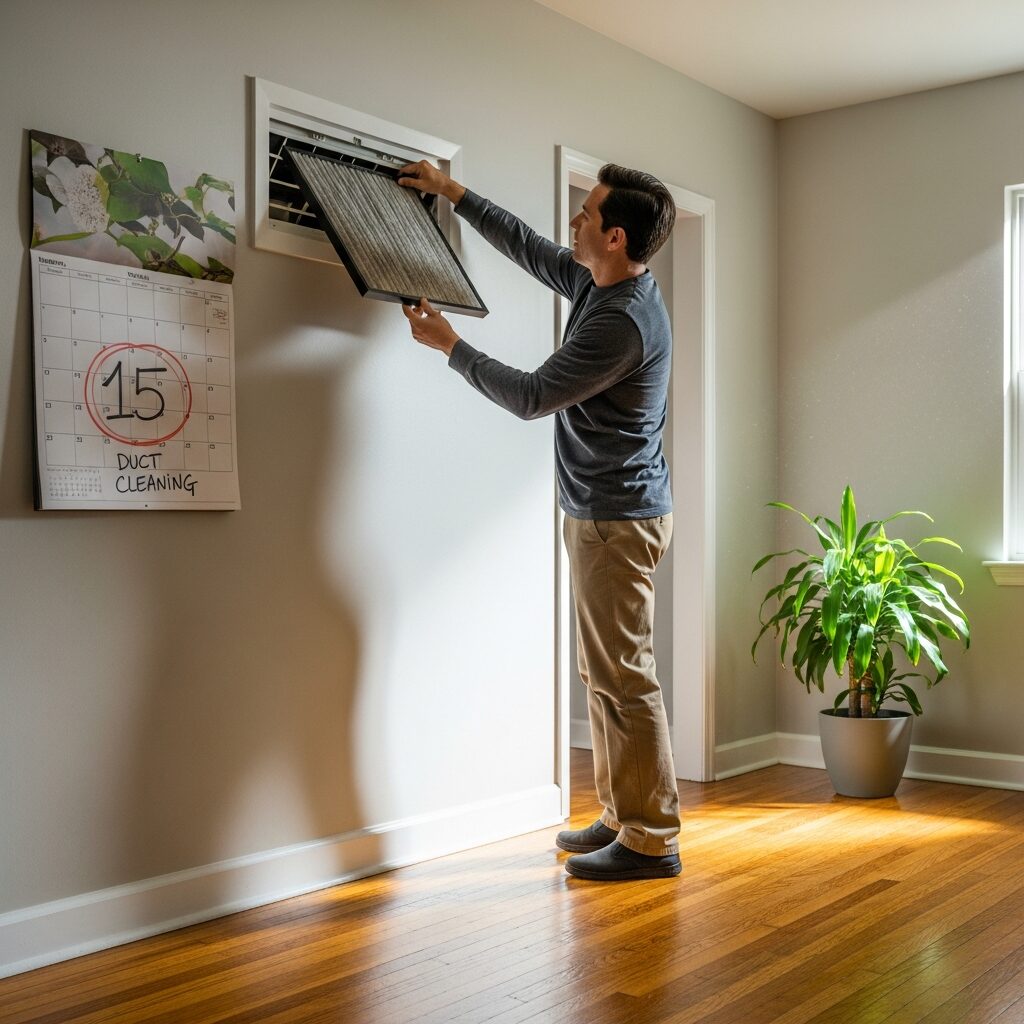
Finding the Right Rhythm for Duct Cleaning in Sherman Oaks
Living in Sherman Oaks means learning the seasonal patterns of the Valley. There are months when the air feels dry and dusty, afternoons when the wind seems to push everything down the boulevard, and long stretches where the HVAC system works hard just to keep the house comfortable. In that environment, it’s natural to wonder how often you should schedule duct cleaning. The honest answer is that there isn’t one universal calendar that fits every home, but there are reliable signs and household factors that can help you choose the right rhythm.
When people ask me this question, I try to bring it back to what you’re trying to accomplish. A well-timed air duct cleaning is less about chasing a rigid schedule and more about resetting the system when buildup, lifestyle changes, or specific events make it worthwhile. The best approach is to understand what causes ducts to get dirty in the first place, then match service timing to your home’s reality.
Why Ducts Accumulate Debris Faster in Some Sherman Oaks Homes
Even within the same neighborhood, duct conditions can vary wildly. One family may run the system lightly, keep windows closed, and change filters routinely. Another might have pets, kids going in and out all day, and a home that’s constantly being lived in at full speed. The HVAC system is essentially the lungs of the house, and the returns are where the home’s air gets pulled back in. Whatever is floating around—lint, dust, pet hair, fine particulate from outdoors—can eventually find its way into the system.
In Sherman Oaks, outdoor dust can be a real contributor. It doesn’t mean your neighborhood is dirty; it’s just the reality of living in a busy part of Los Angeles with traffic, dry periods, and occasional wind events. If your home is closer to major corridors or you notice that exterior surfaces collect dust quickly, that same fine material can end up indoors and ultimately in your HVAC pathway.
Then there’s the housing stock. Many homes here have been remodeled, sometimes more than once. Renovation dust—especially from drywall sanding—can be so fine that it travels despite best efforts at containment. If you’ve ever finished a renovation and felt like you couldn’t get ahead of the dust for weeks, your ductwork may have acted like a storage chamber that slowly reintroduces particles into your living space.
Events That Should Prompt You to Consider Cleaning Sooner
Rather than counting years, I often recommend homeowners think in terms of triggers. If any of these have happened, it may make sense to schedule a cleaning sooner than you otherwise would.
A major remodel is a big one. Even if the HVAC was turned off during the messiest days, the reality is that air moves, and dust spreads. Another trigger is moving into a home that’s new to you. You may not know how consistently filters were changed or how much debris has built up over time. Starting fresh can help you feel confident about what’s circulating through your vents.
Water incidents should also move you into a more careful evaluation mode. Duct cleaning isn’t automatically the solution to every moisture concern, but if there’s been water intrusion near the system or you notice musty smells when the air turns on, you want a professional to assess what’s happening. Odors can have multiple causes, and the key is not to mask them, but to find the source.
Another prompt is visible debris at registers or returns. A light coating of dust on a grille is normal in a lived-in home, but if you remove a vent cover and see thick layers of buildup, matted lint, or debris that looks like it has been accumulating for a long time, that’s a strong sign that the system could benefit from attention.
Household Factors That Change “How Often”
Pets are one of the biggest variables. Homes with dogs and cats simply produce more hair and dander, and while good filtration helps, returns can still collect material over time. If your household includes multiple pets or anyone who sheds heavily, you may find that your system gets dirtier faster than a pet-free home.
Allergies and asthma also change the conversation. If someone in your home is sensitive, you may be more aware of stale air, dusty surfaces, or discomfort when the HVAC kicks on. In those cases, the “right” timing is often the timing that supports comfort, alongside consistent filter changes and regular cleaning practices.
Another factor is how often you use the HVAC. In the Valley, long warm seasons can mean a lot of runtime. More runtime means more air cycling through the ducts, and over time, more opportunity for fine particles to collect in the system. That doesn’t automatically mean you need constant cleaning, but it does mean you should pay attention to symptoms rather than assuming your system stays clean indefinitely.
Signs It Might Be Time, Even If You Don’t Know the Last Service Date
Sometimes homeowners simply don’t know when duct cleaning was last done. That’s common, especially if you bought the home recently or inherited maintenance habits from previous owners. In those situations, I recommend paying attention to a few practical signs.
If you notice persistent dust that returns quickly after you clean, it may be coming from more than one source, but duct buildup can contribute. If there’s a noticeable odor when the HVAC starts, especially after the system has been off for a while, that can also be a clue that the system needs evaluation. Another sign is uneven airflow: some rooms feel stuffier, registers seem to blow weaker, or the system sounds strained. Those issues can have mechanical causes too, but heavy debris can be part of the airflow story.
One of the most helpful steps is to remove a couple of vent covers and look inside with a flashlight. You won’t see everything, but you can get a sense of whether you’re dealing with light surface dust or deeper, older accumulation. If you’re unsure, a professional can help you interpret what you’re seeing and whether cleaning is the right next step.
How a Good Cleaning Fits Into a Bigger Indoor Air Strategy
Duct cleaning works best when it’s paired with the habits that keep the system from quickly loading up again. The first is filter consistency. A high-quality filter that fits properly, changed on a routine that matches your home’s usage, can make a major difference in what makes it into the system. In Sherman Oaks, where systems often run hard, checking filters more frequently during peak seasons can prevent surprises.
Return sealing is another overlooked piece. If your return has gaps or an ill-fitting filter slot, the system can pull air from places you don’t intend, such as a dusty attic space or wall cavity. That air brings debris with it. A quality provider will often mention these issues if they see them, because cleaning alone can’t solve a structural pathway that keeps feeding the system new dust.
Midway through your planning, it’s worth reviewing what reputable air duct cleaning involves so you can set expectations and schedule service at a time that makes sense. Many homeowners choose to do it before heavy-use seasons so the system starts the stretch in a cleaner state, but the best timing is when your home conditions suggest it’s needed.
What to Expect When You Schedule: Practical Timing and Preparation
From a practical standpoint, scheduling is easier when you can provide a few details: home size, whether it’s a condo or single-family, whether the system is in the attic or closet, and whether you have pets or recent renovation history. This helps the company allocate the right amount of time and plan for access points.
Before the appointment, clear space around registers and returns. If you have a tight hallway or a room with heavy furniture near vents, making access easier helps the crew do a more thorough job without rushing. It’s also wise to plan for some noise; duct cleaning equipment can be loud, and technicians may move from room to room. Many homeowners stay home during service, but if you work from home and take calls, you might want to schedule around a quiet window.
After cleaning, start with a new filter. Then monitor how quickly dust accumulates on surfaces and on the return grille over the next several weeks. This isn’t about obsessing; it’s about learning your home. If you notice rapid accumulation, it may be time to look at return sealing, housekeeping patterns, or even whether recent construction dust is still settling out of hidden spaces.
FAQ: How Often to Schedule Air Duct Cleaning in Sherman Oaks
Q: Is there a standard schedule that works for every home?
A: Not really. Homes differ by pets, allergies, HVAC usage, renovation history, and how much outdoor dust makes its way indoors. It’s better to watch for triggers and signs than to follow a one-size timeline.
Q: Should I schedule cleaning after a remodel even if the work area was sealed off?
A: If the remodel involved sanding, drywall, or heavy demolition, it’s often worth considering. Fine dust can travel and settle into returns and duct runs, then recirculate later.
Q: Do clean ducts mean I can ignore filters?
A: No. Filters are still your main defense. A clean system paired with inconsistent filter changes can become dirty again faster than you’d expect.
Q: What if I’m noticing musty smells when the AC starts?
A: Musty odors should be evaluated rather than masked. Duct cleaning can be part of the solution if debris is contributing, but a professional should assess for moisture issues or other sources.
Q: Can I tell on my own if cleaning is needed?
A: You can get clues by looking behind a few vent covers and checking returns, but deeper sections aren’t visible. If you see heavy buildup or have persistent symptoms, a professional assessment can help.
Next Steps for a Cleaner, More Comfortable Home
If your Sherman Oaks home has had a recent renovation, you’re living with pets, someone in the house is sensitive to airborne dust, or you’ve simply noticed that the air feels less fresh than it should, it may be time to schedule service based on your home’s signals rather than an arbitrary date. Take a moment to learn what a full air duct cleaning entails, choose a provider who explains their process clearly, and line it up for a time when you can give the crew good access to the system. When it’s done thoughtfully, the payoff is subtle but real: cleaner-feeling airflow, less lingering dust, and a home that’s easier to keep comfortable through the Valley seasons.