
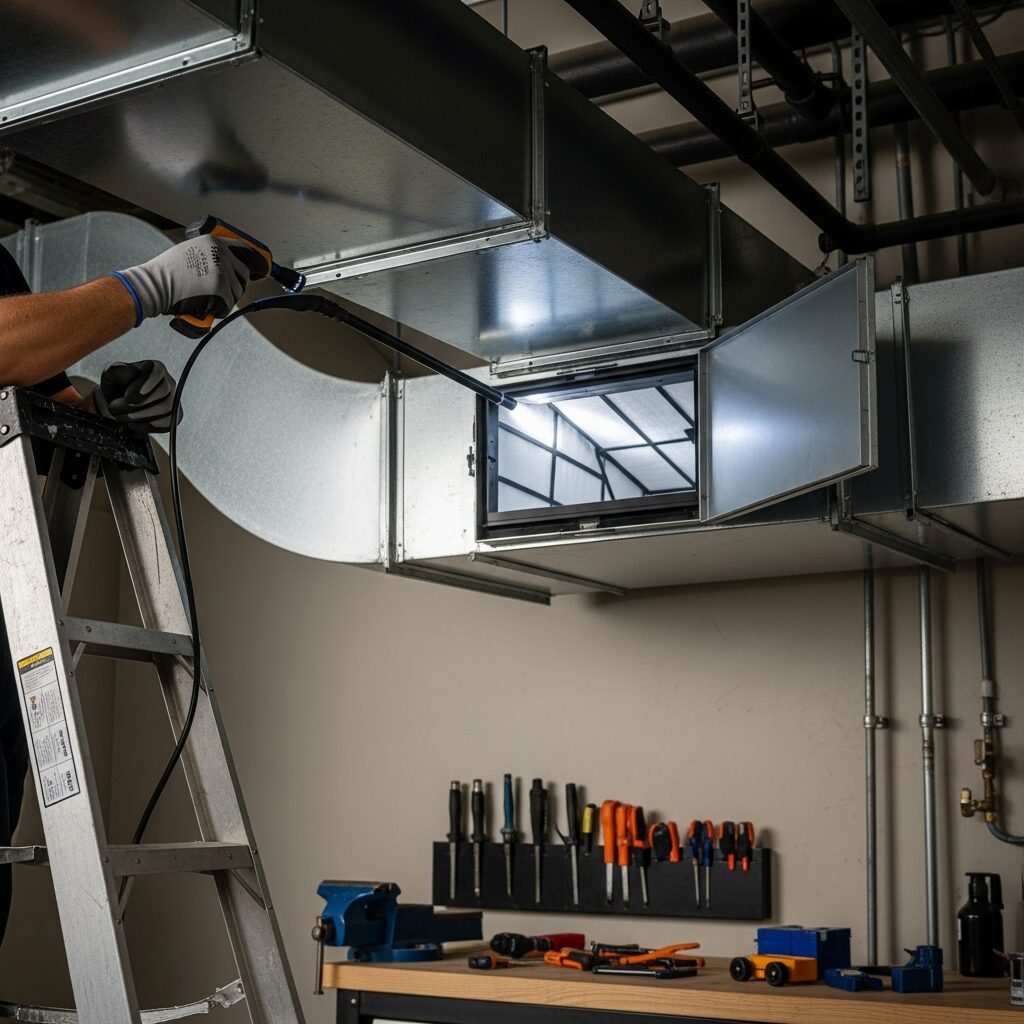
What an Inspection Really Means for Sherman Oaks Homes
When homeowners in Sherman Oaks hear “air duct inspection,” they sometimes picture someone peeking into a vent with a flashlight and calling it a day. A meaningful inspection is more than that. It’s a practical look at how your HVAC air pathways are functioning, what’s collecting inside them, and whether cleaning is likely to make a noticeable difference. In a neighborhood where dust from dry weather, traffic corridors, and everyday activity can build up quickly, an inspection is often the step that turns vague discomfort into a clear plan.
People usually schedule an inspection because something feels off: the house gets dusty fast, a room doesn’t cool evenly, or there’s an odor when the AC starts. Sometimes the reason is simply that the home is older and maintenance history is unclear. Before committing to a full service, an inspection helps confirm whether air duct cleaning is appropriate and what areas deserve the most attention.
In Sherman Oaks, where homes can have additions, converted spaces, and multi-level layouts, ductwork can be more complex than you’d expect. That complexity makes a careful inspection valuable, because problems aren’t always visible from the registers.
Starting at the Vents: Supply Registers and Return Grilles
Most inspections begin where the system meets your living space. Supply registers are the vents that blow conditioned air into rooms, while return grilles pull air back to the system. Inspecting these areas provides quick clues about what’s happening inside the ducts.
A technician will typically look for dust staining around the edges of registers, visible debris behind grilles, and signs that airflow is carrying particles. Return grilles often tell the most honest story, because they are the intake points. If a return grille is heavily coated, it may indicate high dust load in the home, a filter fit issue, or a return path that’s pulling in debris from a high-traffic area.
In many Sherman Oaks homes, returns are placed in hallways or central areas. That placement is efficient for airflow, but it also means the system is constantly drawing in what settles there—fine dust from shoes, pet hair, and lint. A good inspection notes these patterns and considers whether the home’s habits and layout are contributing to buildup.
Looking Into the Ductwork: Access Points and Interior Conditions
The heart of the inspection is evaluating what’s inside the ductwork. Depending on the home’s configuration and what access is available, a technician may inspect duct interiors near key points such as the main trunk lines, near the air handler, or at accessible branch connections. The goal is to assess the type and level of debris present and whether there are signs of unusual contamination.
Normal household dust is common, but inspections also look for construction debris, excessive lint, or material that suggests long-term neglect. In Sherman Oaks, post-renovation dust is a frequent finding, especially in homes that have had flooring work or drywall repairs. That fine dust can settle deep in ducts and then re-enter the home gradually when airflow increases.
Another part of interior inspection is checking for signs of moisture. While our climate is often dry, condensation issues can happen around HVAC components. Moisture changes the maintenance priorities, because it can affect how debris behaves and can create conditions where odors become more persistent.
Air Handler Area: Where Dust Accumulates Fast
Even though “duct inspection” sounds like it’s all about the ducts, a thorough process usually includes looking near the air handler and filter housing area. This is where air returns to the system and passes through filtration before being conditioned and sent back out. If dust is bypassing the filter, you may see buildup in the surrounding compartment areas.
In many homes, the filter slot isn’t perfectly sealed. A filter that doesn’t fit snugly can allow unfiltered air to slip around it, carrying dust into the system. An inspection can reveal this quickly and help you fix a problem that otherwise keeps reloading your ducts with debris even after a cleaning.
This part of the inspection often includes a conversation about filter strategy: how often you replace it, whether the filter type matches your system, and whether the home’s dust level suggests adjusting the schedule.
Checking Airflow and Comfort Clues
While inspections are visual, they’re also practical. A technician may pay attention to airflow strength at different registers, listen for unusual sounds, and note rooms where comfort is consistently uneven. In Sherman Oaks, where sun exposure and multi-level designs create natural temperature differences, it’s important to distinguish between a normal “warm room” and an airflow issue caused by duct restrictions or leaks.
If airflow seems weak at certain vents, the inspection may look for obvious causes like closed dampers, blocked registers, or heavy dust buildup at the vent throat. If those aren’t the cause, duct leakage or disconnected duct sections can be considered, particularly in older homes or spaces that have been renovated. Cleaning doesn’t fix leaks, but an inspection can point you toward the right next step so you’re not spending effort in the wrong area.
Identifying Red Flags: What Requires More Than Cleaning
A responsible inspection doesn’t simply push toward cleaning regardless of conditions. It should also identify situations where additional work or specialist evaluation is appropriate. For example, if there are signs of persistent moisture, that moisture source needs to be addressed. If there is evidence of pest activity or damaged duct material, the inspection should recommend steps to correct the problem, not just remove debris.
Similarly, if a home has major airflow imbalances, the inspection should consider whether the duct design, return sizing, or zoning configuration is contributing. Sherman Oaks houses often have additions or converted spaces that were tied into existing ductwork, sometimes without perfect balancing. Those design quirks can show up as comfort issues that cleaning alone won’t solve.
The value of the inspection is clarity. It helps you understand whether you’re dealing with normal accumulation, a one-time post-event cleanup need, or a bigger HVAC distribution issue.
Middle-of-the-Process: How an Inspection Informs a Real Plan
One of the most helpful aspects of an inspection is that it turns general concerns into specific, prioritized actions. Instead of “the house feels dusty,” you might learn that the return grille is heavily loaded, the filter fit allows bypass, and the duct interior shows construction residue. With that information, cleaning becomes a targeted solution rather than a guess.
When the inspection supports a recommendation for air duct cleaning, it should also explain what areas will be addressed and what outcomes are realistic. The goal is a home that feels cleaner and more neutral, with less dust being redistributed through vents. It’s not about promising perfection, but about making meaningful improvements that you can feel in daily life.
Homeowners in Sherman Oaks often appreciate this approach because it respects the reality of busy schedules and the desire to avoid unnecessary disruption. A good inspection helps you plan the service for the right time and understand what steps you can take afterward to keep the system in good shape.
What You Can Do Before the Inspector Arrives
Although an inspection is a professional task, you can make it smoother by noting your observations. Write down which rooms feel warmest, when odors appear, and how quickly your filters get dirty. If you’ve done recent remodeling, mention it. If you have pets, note how much they shed and where they spend time. These details help the inspection focus on what matters most in your home.
It’s also helpful to ensure registers and returns are accessible. If furniture blocks a return grille, airflow is affected and it may skew what you’re experiencing. Clearing access points allows a more accurate evaluation of airflow and buildup patterns.
FAQ: Air Duct Cleaning Inspections in Sherman Oaks
Q: Does an inspection always lead to duct cleaning?
A: Not necessarily. An inspection can show that ducts are relatively clean and that your main issue is filter fit, airflow balancing, or another HVAC component. The point is to make a decision based on evidence rather than assumption.
Q: What areas are usually checked during an inspection?
A: Inspections typically include supply registers, return grilles, accessible duct interiors near key points, and the filter and air handler area. The inspector also pays attention to airflow and comfort clues that suggest restrictions or leaks.
Q: Can an inspection identify duct leaks?
A: An inspection can spot obvious signs of leakage or disconnection when accessible, and it can identify symptoms consistent with leakage, such as uneven airflow. Confirming and correcting leaks may require additional diagnostic steps or repairs.
Q: What if there’s a musty smell when my system starts?
A: The inspector should look for dust buildup, filter bypass, and any signs of moisture. Musty odors can have multiple causes, and a good inspection focuses on narrowing down the source rather than guessing.
Q: How often should I have inspections done?
A: Many homeowners choose periodic inspections, especially after remodeling, moving into a new home, or noticing changes like increased dust or odors. The right frequency depends on your home’s conditions and HVAC usage.
Schedule the Next Step With Confidence
If you’re noticing persistent dust, uneven comfort, or odors when your HVAC runs, an inspection is the simplest way to turn those symptoms into a clear plan. When the findings point toward professional air duct cleaning, you’ll be moving forward with real information about what will be addressed and why it matters. Set up an inspection, share what you’ve noticed in your Sherman Oaks home, and take the next step toward cleaner-feeling air and steadier comfort throughout the year.