
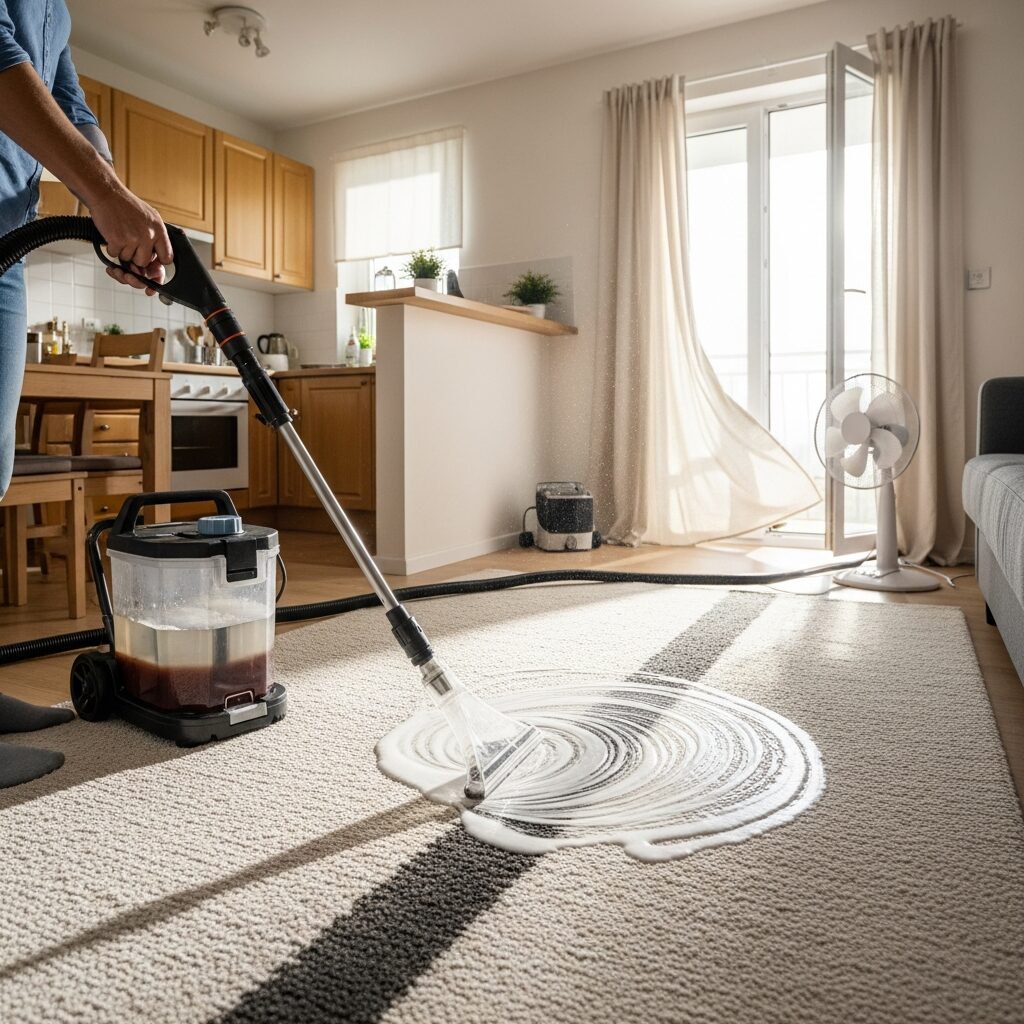
Thinking About Renting a Carpet Cleaner? Start Here
In Sherman Oaks, it is common to see neighbors loading a compact carpet machine into the back of an SUV on a Saturday morning. Renting a unit can feel empowering: you choose the timing, you control the process, and you hope to restore that cozy living room vibe before the weekend is over. To make the most of a rental—and to understand where it shines and where professional help may serve you better—it helps to know how these machines work, what preparation is worth doing, and how to avoid the small missteps that lead to soggy carpets or lingering spots. If along the way you decide that a deeper reset would be wise, local pros who specialize in effective carpet cleaning can step in with tools and techniques designed for thorough results.
What Rental Machines Do Well
Most rental units are lightweight extractors that apply a cleaning solution and then vacuum it back out. They can be surprisingly helpful for surface-level soil, recent spills, and routine refreshes in smaller rooms. Their compact size makes them easy to maneuver in tight spaces and apartments, and many come with simple hand tools for stairs or upholstery. When used carefully, a rental can lift the dull veil that develops in light-traffic areas and buy time between professional visits. For homeowners who like hands-on projects, the control can be satisfying: you see the water turning darker as you remove soil, and the results are immediate in high-visibility spots.
The Limits You Should Plan Around
Rental machines typically have lower water temperature, reduced suction power, and smaller tanks than professional equipment. This does not make them ineffective; it simply means they require patience and technique. Over-wetting is the most common pitfall. It occurs when too much solution is applied and not enough is recovered, leaving excess moisture deep in the pile and, in some cases, the backing. Extended dampness can lead to musty odors and can even draw old soils to the surface, making traffic lanes look worse the next day. The other frequent issue is residue. If too much detergent is used, or if the rinse step is rushed, a sticky film can remain and attract new soil quickly.
Preparation That Pays Off
Great results start before the first pass. Begin with a slow, thorough vacuuming to remove as much dry soil as possible. This single step dramatically improves any wet process. Move small furniture and pick up items from the floor so you can make long, even passes. If you know the history of a stain, treat it with a compatible spotter according to directions—and resist the temptation to mix products. When setting up the machine, measure the detergent carefully and consider a clear-water rinse pass after cleaning to leave the fibers free of residue. Lay out a simple plan: start at the far corner of the room and work toward the exit so you are not walking on damp areas.
Technique Tips for Even Cleaning
Think of each pass as a dance: apply solution on the forward stroke, then extract on slow, overlapping backward strokes. The extraction passes should be slower than the application pass so the machine has time to lift moisture. If your unit allows, make at least one additional vacuum-only pass with no solution to speed drying. In high-traffic areas, a second cycle may help, but avoid cycling the same spot repeatedly in a short time; let airflow do part of the work between passes. For edges and corners where soil collects, use the hand tool deliberately, keeping the nozzle tight against the carpet and moving slowly to avoid leaving damp streaks.
Drying: The Make-or-Break Step
Airflow is everything when it comes to drying. In Sherman Oaks, low-humidity afternoons are your friend. Open windows where practical, run ceiling fans, and set the HVAC to fan mode to keep air moving across the surface. If you have a small portable fan, aim it to sweep across the carpet rather than blasting one spot. Try to keep foot traffic light until the carpet is fully dry, and place aluminum foil or plastic under furniture legs to prevent wood stain transfer during the drying period. If a room still feels damp hours later, pause before doing another cleaning pass—focus on airflow first to avoid compounding moisture.
Where Rentals Struggle: Deep Soil and Odors
Deeply embedded soils, older stains, and pet odors often challenge rental machines because effective treatment relies on targeted chemistry and high-powered extraction. Pet accidents can penetrate into the backing and padding where light suction cannot reach. Old spills sometimes reappear due to wicking as the carpet dries, revealing residues that were not fully removed. If you encounter these issues, it is not a failure on your part; it is a limitation of the equipment. Professionals use stronger vacuum, precisely heated water, and specialized treatments to neutralize odor at the source and to extract the byproducts that create stale smells.
Safety and Care for Your Carpet
Always test any solution in an inconspicuous area, especially on delicate or vividly dyed carpets. Follow the manufacturer’s guidance for water temperature and detergent concentration, and avoid improvising with household cleaners not designed for carpet fibers. Too-strong mixtures can strip protective finishes or cause color loss. Similarly, do not saturate stairs, which are particularly slow to dry and can become slippery. Plan your path so you have a dry route out of the room, and be mindful of electrical cords around damp areas.
Balancing DIY with Professional Help
For many Sherman Oaks households, the ideal approach combines periodic professional deep cleaning with occasional rental-based touch-ups. The professional visit resets the carpet to a truly clean baseline—removing embedded particulates and residues—while your DIY efforts maintain that freshness in between. This balance stretches the time between major services and keeps rooms looking inviting day after day. It also means that when life throws you a surprise spill or a high-traffic week with guests, you have both the skills and the support to handle it confidently.
Deciding When to Hand It Off
There are clear signals that a professional would be the better choice: persistent odors after cleaning, recurring spots that return as the carpet dries, and areas that feel stiff or sticky despite multiple rinse passes. Large open spaces and heavily soiled stairs are also candidates for professional care because they benefit from stronger equipment and more controlled drying. If you find yourself spending hours on a single room with mixed results, it may be time to call in reinforcements. Knowing when to shift gears is not giving up; it is smart home care that protects your investment and your time.
Mid-Project Reality Check
About halfway through your rental session, pause and evaluate. Are traffic lanes lightening? Is drying keeping up with your pace? Is the water extracting clearly, or do you still see suds? Adjust as needed: slow your vacuum passes, switch to clear water for a rinse, reposition fans, and avoid adding more detergent. This self-check prevents the two most common DIY pitfalls—over-wetting and residue—and brings your work closer to professional standards. It is the difference between a quick refresh that looks good for a day and one that holds up for weeks.
Frequently Asked Questions
Q: How long should a room take with a rental machine?
A: Timing depends on room size, soil level, and how methodical you are. Expect to move more slowly than you think—steady, overlapping passes with ample extraction time produce better results than quick sweeps.
Q: Why do some spots come back the next day?
A: That is often wicking, where moisture draws deeper residues upward as the carpet dries. Extra extraction and a clear-water rinse can help, but older or severe spots may need professional attention.
Q: Can I use hot tap water instead of warm?
A: Follow the machine’s guidance. Very hot water can set certain stains or affect delicate fibers. Consistency and technique matter more than extreme temperatures with consumer equipment.
Q: Are rental detergents safe?
A: Most are, when mixed correctly. Measure carefully, avoid combining products, and perform a spot test. Using too much detergent is a common mistake that leads to sticky residue.
Q: How can I speed drying?
A: Maximize airflow with fans and ventilation, make extra vacuum-only passes, and keep the room at a comfortable, low-humidity temperature. Avoid saturating any one area.
Q: When should I call a professional?
A: If odors persist, stains recur repeatedly, or you notice stiffness or discoloration, a professional can diagnose the underlying cause and perform a deeper extraction with targeted treatments.
Get Confident, Clean Results
A rental machine can be a practical tool for light maintenance and recent spills, especially when you prepare well and focus on smart technique. For deeper resets, stubborn odors, or a whole-home renewal, teaming up with local experts ensures the kind of thorough, even finish that makes every room a pleasure to walk into. When you are ready for that lasting refresh, schedule professional carpet cleaning and enjoy the comfort of results that look good now and stay that way.