
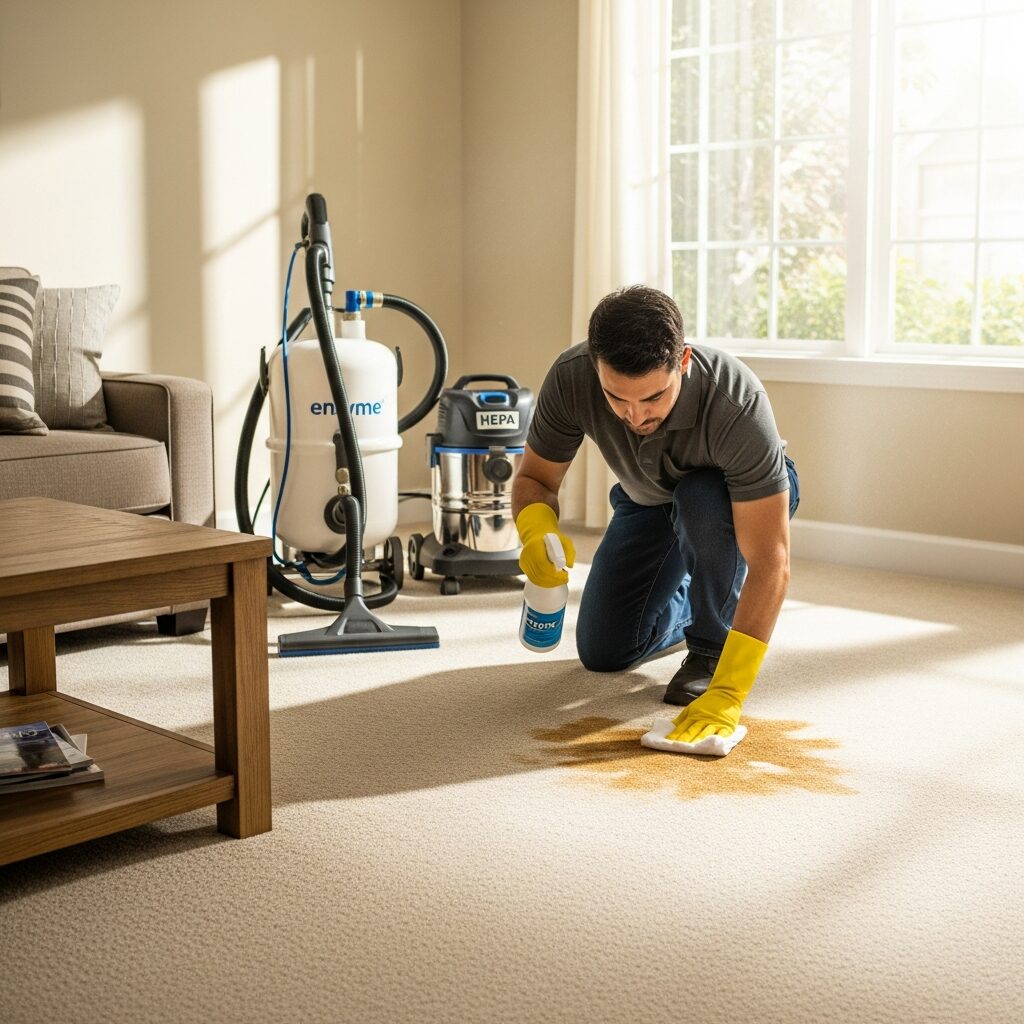
Homeowners in Sherman Oaks know the drill: a busy week, a burst of wind that coats everything in a fine layer of dust, a pet who finds the one soft spot for an afternoon nap, and a glass of red that tips during movie night. We live fully in our homes, and our carpets absorb the story. When you understand the most common carpet cleaning issues—and how local pros approach them—you can prevent small problems from becoming permanent eyesores. Start with a foundation that includes periodic professional carpet cleaning, then learn how to navigate the typical challenges that arise in Valley living.
The benefits of a informed approach are immediate: brighter colors, fewer recurring spots, a neutral scent instead of a perfumed coverup, and a softer, more resilient feel underfoot. By recognizing causes and solutions, you’ll know when a home remedy is appropriate and when to call in a specialist. Both have a place, and the best outcomes usually come from blending good daily habits with periodic deep resets.
Problem: Spots that keep coming back (wicking)
Wicking is the disappearing-reappearing act that frustrates everyone. You blot a spill, it looks gone, and then a ring or shadow returns after drying. The culprit is moisture drawing deeper contamination up to the surface. DIY spotters can aggravate it by over-wetting or pushing soils down into the backing. The fix is controlled moisture and thorough extraction. Pros pre-treat, agitate gently, and extract in a way that lifts soils without flooding fibers, then they speed drying so nothing has time to travel back up.
At home, your best defense is patience and light touch. Blot with a clean, white towel—no scrubbing—and avoid saturating the spot. If reappearance happens, consider a professional follow-up before the area becomes a set-in stain.
Problem: Rapid re-soiling after a DIY clean
If your carpet looks great for a week and then seems dirtier than before, residue is the likely cause. Many store-bought detergents leave a sticky film that grabs dust and oils. In Sherman Oaks, where dust is a frequent guest thanks to wind and construction, that film loads up fast. The solution is a neutralizing rinse that fully removes detergents. Hot water extraction with balanced chemistry strips residue and leaves fibers in a state where vacuuming becomes more effective rather than feeling futile.
Going forward, use sparing amounts of any spotter, rinse with a little water, and blot thoroughly. Less chemistry with better technique often beats more chemistry with less control.
Problem: Pet odors and “mystery” smells
Pets are family, and family life is joyful—and sometimes aromatic. Odors that linger even after surface cleaning often originate below the fiber tips, in the backing or pad. In homes where windows are closed on hot days and air recirculates, those smells can feel amplified. The fix is to address the source. Enzyme-based treatments break down the organic compounds that cause odor, and thorough extraction removes them. In more severe cases, a sub-surface flush or pad replacement may be recommended for targeted spots.
Prevention helps. Attend to accidents quickly, blot generously, and avoid using heat on fresh spots, which can set odors. Regular professional service resets the whole floor to a neutral baseline so future accidents are easier to manage.
Problem: Browning or yellowing edges
Browning can appear after over-wetting or when alkaline residues remain in the carpet and attract soil. It sometimes shows around the edges of formerly wet areas or at the perimeter near baseboards where moisture from cleaning or spills has traveled. The solution is twofold: avoid over-wetting in the first place, and use a balanced rinse that restores the carpet’s pH. Trained technicians can also apply specialty treatments that counteract discoloration and encourage even drying so color stays true.
In entryways and near sliding doors, where moisture is more common, keep absorbent mats in place and rotate them regularly. Quick blotting of tracked-in rain or watering mishaps at indoor plants will prevent edges from darkening over time.
Problem: Traffic lanes that look “worn out”
Not all wear is equal. Sometimes what looks like irreversible damage is really compacted soil and flattened pile. In Sherman Oaks homes, hallways, stairs, and living rooms leading to patios bear the brunt of daily life. Professional agitation combined with hot water extraction lifts compressed fibers and removes abrasive grit. The change can be dramatic: fibers stand again, color brightens, and the soft feel returns.
When genuine wear is present—fiber tips physically abraded—cleaning can still reduce contrast and even out the look. Protective treatments and better entry mats going forward slow future abrasion so your carpet ages gracefully.
Problem: Stiff or crunchy texture after cleaning
This usually points to residue left behind by products or insufficient rinsing. Good cleaning should leave carpet soft, not crunchy. The remedy is a proper rinse and grooming to align fibers as they dry. Running your HVAC fan after service helps speed evaporation and prevents minerals from settling on the tips as water leaves the fiber.
In our area, municipal water is fairly balanced, but if a previous service used heavy chemistry without a neutralizing rinse, stiffness can accumulate over time. A corrective clean returns the pile to a supple feel.
Problem: Ripples or waves
Occasional ripples can appear after cleaning when a carpet was already slightly loose or when latex backing responds to humidity. This is generally a stretching issue, not a cleaning failure. If ripples persist after the carpet is fully dry, a re-stretch by a qualified installer tightens the field and restores a smooth look. Maintaining reasonable humidity and avoiding over-wetting during cleaning also help prevent temporary waving.
Stairs and long hall runs are especially prone to visible slack. Addressing tension early prevents accelerated wear and keeps seams from telegraphing through.
Problem: Filtration lines along baseboards
Those dark lines at the edges of rooms or under doors are called filtration soiling. As your HVAC system moves air, it can pull dust through gaps beneath walls or under closed doors, where it settles and binds to fibers. Because it’s fine and oily, it resists basic cleaning. The fix combines specialized detergents with agitation and time. Sealing gaps and improving filtration in your HVAC system helps prevent recurrence, as does keeping interior doors open more often to balance pressure.
Once filtration lines are reduced, regular maintenance keeps them in check. They’re stubborn but not invincible with the right strategy.
Choosing the right approach for your carpet type
Cut pile, looped Berber, and wool each respond differently to cleaning. Loops prefer gentler agitation to prevent fuzzing. Wool demands temperature and pH control to protect natural fibers. Solution-dyed synthetics tolerate a broader range but still benefit from a neutralizing rinse that prevents rapid re-soiling. Local pros tailor technique to your carpet’s construction, ensuring both safety and effectiveness.
Area rugs layered over hardwood floors need particular attention. Many benefit from off-site cleaning where immersion and controlled drying are possible. On-site, careful extraction and drying protect wood finishes from moisture exposure.
Maintenance habits that prevent problems
Strong habits beat strong chemicals. Remove shoes indoors to minimize grit. Vacuum slowly, focusing extra time on hallways and stairs where soil accumulates fastest. Address spills quickly with blotting, and use spotters sparingly, always testing in an inconspicuous area. Rotate furniture occasionally to redistribute pressure and let traffic paths recover. These small practices dramatically reduce the number of stubborn issues that need intensive correction later.
Planning a routine that matches your home’s pace—perhaps a full clean twice a year with a targeted mid-cycle refresh—keeps problems from gaining a foothold. A simple calendar reminder pays off in the daily comfort of cleaner, softer floors.
When to call a pro
There’s a time for DIY and a time for expertise. Recurring spots, pet odors that linger, filtration lines, and ripples or waves usually warrant professional evaluation. The right equipment and chemistry, combined with training, deliver results that home machines and over-the-counter products can’t match. Pairing smart home care with scheduled professional carpet cleaning is the most reliable path to carpets that look great and last longer.
FAQ: Common issues and fixes
Q: Why do spots come back after I clean them?
A: That’s wicking. Moisture carries deeper soils to the surface as the spot dries. Controlled extraction and quick drying prevent it, and a pro can treat persistent areas so they stay gone.
Q: My carpet felt crunchy after a rental-machine clean. What happened?
A: Likely detergent residue or minerals left behind. A professional rinse neutralizes chemistry and restores softness.
Q: Can all pet odors be removed?
A: Most can be significantly reduced or eliminated. Success depends on the extent and depth of contamination. Enzyme treatments and thorough extraction make the biggest difference.
Q: What are those black lines under doors?
A: Filtration soiling from air movement and dust binding at pressure points. Specialized cleaning reduces it, and tweaks to HVAC filtration and door habits prevent recurrence.
Q: Will cleaning fix traffic lane wear?
A: Cleaning removes compacted soil and lifts pile, greatly improving appearance. True fiber abrasion can’t be reversed, but contrast can be reduced, and protective habits slow future wear.
Restore calm to your carpets
When issues arise, swift, informed action protects your investment and keeps your home feeling like the Sherman Oaks haven you intend it to be. If you’re facing stubborn spots, lingering odors, or traffic lanes that won’t lift, schedule a thoughtful round of carpet cleaning with local experts who understand our climate and construction. The right strategy turns problems into progress, bringing back softer steps, brighter rooms, and the quiet confidence that your home is truly clean.