
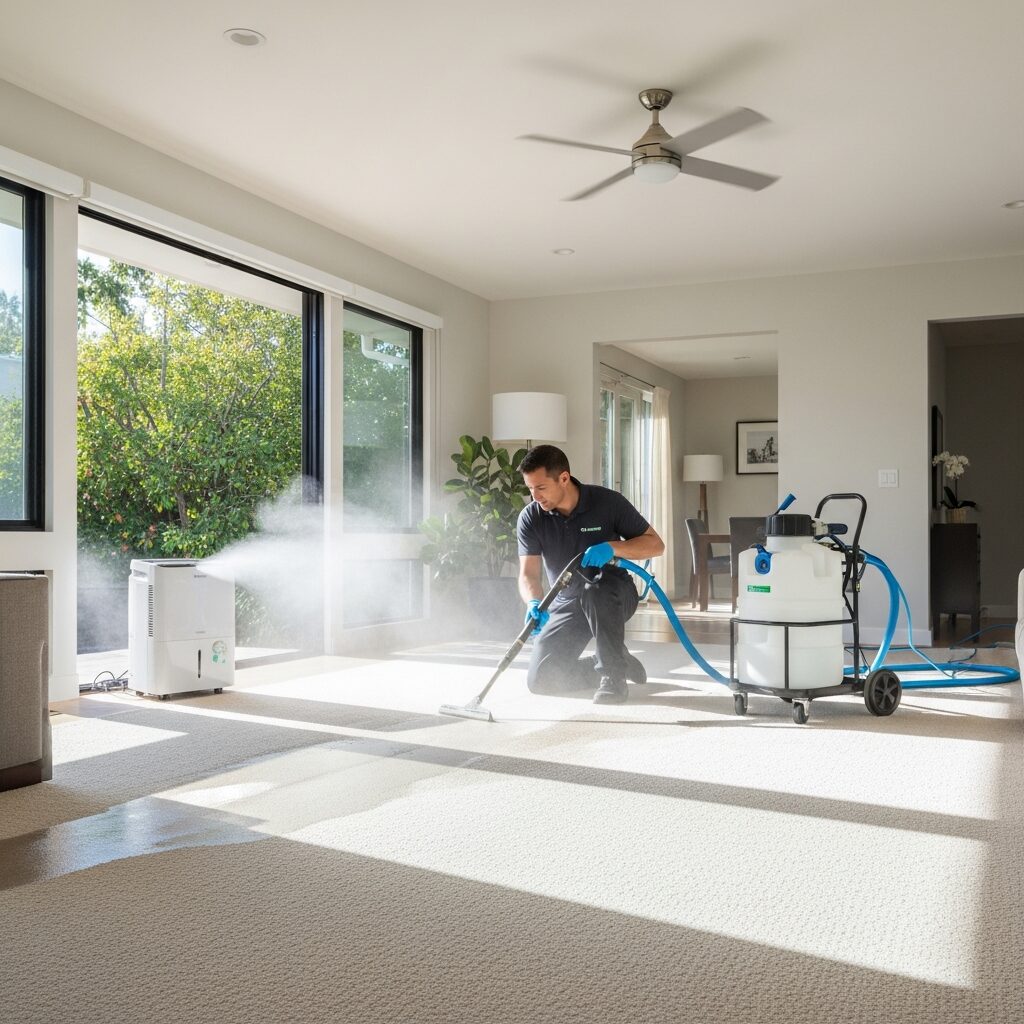
In Sherman Oaks, many of us balance comfort at home with a genuine desire to tread lightly on the environment. We recycle, we monitor water use, and we choose energy-efficient upgrades. Carpet care fits into that picture more than you might expect. The way carpets are cleaned—what’s used, how much water is required, how waste is handled—has a measurable impact on indoor air quality, resource consumption, and the lifespan of materials. Thoughtful, professional carpet cleaning aligns easily with eco-minded living when you focus on process, products, and timing that match our local climate and values.
The encouraging truth is that greener carpet care does not mean compromising results. In fact, reducing residues and improving rinse quality often keeps carpets cleaner for longer, which means fewer interventions over time. Extending the life of the carpet itself is one of the most environmentally positive outcomes, as it delays manufacturing and disposal impacts that far outweigh the footprint of a single service visit.
Why process matters as much as products
It’s tempting to equate “eco-friendly” purely with what’s in the bottle, but process has enormous weight. A method that uses water efficiently, targets soils precisely, and extracts thoroughly can reduce total resource use while delivering a deeper clean. Hot water extraction done well is a good example: pretreat only where necessary, agitate to loosen soils, and then rinse with measured passes that remove both contaminants and chemistry. The result is cleaner fibers with minimal residues, faster re-soiling resistance, and fewer repeat cleanings.
On the other hand, over-wetting or using heavy chemistry without a balancing rinse uses more resources and can prompt sooner re-cleaning due to sticky films that attract dust. Process discipline—pre-vacuuming with high-filtration machines, careful dwell times, targeted agitation, and strong extraction—saves water and energy by working smarter, not just harder.
Choosing low-VOC, biodegradable solutions
Indoor air quality is a year-round priority in Sherman Oaks, where we often shut windows against heat or wind and rely on HVAC to circulate air. Low-VOC, biodegradable cleaning agents reduce chemical odors and the chance of irritation, while still giving you the cleaning power needed for real-world soils. Enzyme-based formulas can address organic spills and pet accidents effectively without heavy fragrances, leaving a neutral, truly clean scent instead of a coverup.
The goal is always to leave fibers at a balanced pH and free of sticky residues. That single outcome—neutral fibers—has a cascading environmental benefit: vacuums remove more soil in everyday use, and you can stretch the interval between major cleans, which cuts water, energy, and transportation impact over the life of the carpet.
Water stewardship during cleaning
Water is precious in Southern California, and responsible carpet care respects that. Efficient equipment paired with skilled technique can dramatically reduce water consumption while achieving a deeper clean than older, less controlled approaches. Pre-vacuuming removes the bulk of dry soil so extraction water targets only what needs rinsing. Using air movers and leveraging the home’s HVAC system to speed drying allows for lower total moisture while still achieving uniform results.
For maintenance between deep cleans, low-moisture encapsulation can refresh appearance with very modest water use, particularly in commercial-style or solution-dyed carpets. It’s not a substitute for periodic thorough rinsing in most homes, but it’s a practical bridge that keeps soil loads from accumulating and reduces the intensity of subsequent services.
Energy use and dry times
Energy consumption connects to both equipment efficiency and how quickly carpets dry. Faster dry times mean HVAC and air movers run for fewer hours, and the home returns to normal sooner. The right balance of water temperature, vacuum lift, and airflow keeps energy use in check while preventing issues like wicking or microbial growth that could otherwise necessitate repeat work.
Here in Sherman Oaks, our climate gives us an advantage: with steady airflow and moderate humidity most of the year, carpets can dry quickly when cleaned with intention. Coordinating service with weather—choosing days with mild temperatures and low humidity—further trims the energy footprint of the process.
Extending carpet life is the greenest win
Manufacturing and disposing of carpet carry significant environmental costs. Every extra year you gain from proper care is a year of avoided production, transportation, and landfill impact. Routine, well-executed cleaning removes abrasive soils that prematurely cut down fibers and create the impression of wear. It also lifts oils and residues that cause dinginess and sticky traffic lanes, which can lead homeowners to consider replacement earlier than necessary.
Protective measures help too: using well-maintained entry mats, rotating furniture to distribute wear, and practicing quick response to spills combine with professional care to keep carpets looking good for longer. That makes your home more sustainable not just in principle, but in the daily reality of cleaner, softer floors.
Responsible waste handling
What happens after the cleaning matters. Wastewater should be collected and disposed of according to local guidelines, not released onto driveways or streets. Technicians who follow best practices protect our storm drains and the LA River system. Filters and recovery tanks maintained in good condition improve capture efficiency and reduce the chance of cross-contamination between jobs.
Inside the home, using clean floor protectors and moving blankets prevents transferring soil from one area to another. These small, professional habits contribute to a cleaner overall process with fewer unintended impacts.
Indoor air quality and human health
Environmentally considerate cleaning improves how your home feels to live in. Removing fine particulates, residues, and odors supports easier breathing and a calmer sensory environment. In a community where we set aside spaces for work, study, and relaxation, the benefits ripple outward: fewer distractions from odors or dust, and a fresh backdrop that helps you settle in.
For families with sensitive members, the combination of HEPA pre-vacuuming and low-VOC solutions is especially meaningful. It addresses the full chain from airborne to embedded soils without masking symptoms, aiming instead for a real reset that reduces the need for frequent interventions.
Local conditions, local choices
Sherman Oaks presents a specific mix of variables: wind-borne dust, pollen from mature trees, the microgrit of urban life, and households that often keep windows closed on hot afternoons. A locally informed approach respects those details. It favors strong filtration at the vacuum stage, targeted chemistry rather than blanket application, and rinse techniques that prioritize residue removal. It also embraces seasonal timing—tackling fallout from Santa Ana winds and refreshing after the cozy, closed-window weeks of winter.
Being local also means support for shorter travel distances to and from jobs, which trims transportation emissions for each service. Partnering with nearby providers who optimize routes is a small but real way to make carpet care more sustainable.
Balancing results with responsibility
There’s a practical middle path between a purely “dry” approach and an over-wet, chemical-heavy process. The balance looks like this: remove as much dry soil as possible first, pretreat only what needs it, agitate intelligently, rinse thoroughly but efficiently, and dry quickly with good airflow. That sequence consistently produces clean, soft, neutral-smelling carpets while minimizing resource use and the likelihood of repeat visits.
In kitchens open to carpeted family rooms, remember that cooking oils drift and bind to fibers. Combining a carpet refresh with a kitchen hood and cabinet wipe-down cuts down on future cleaning intensity, contributing to a smaller footprint over time.
Myths and realities of “green” carpet cleaning
One myth is that gentler products can’t handle real soil. In practice, modern, well-formulated solutions paired with proper agitation and dwell time perform exceptionally well. Another myth is that low-moisture cleaning alone is always greener. It can be, for maintenance, but skipping periodic thorough rinsing may allow residues to accumulate, causing faster re-soiling and more frequent services—an unintended environmental tradeoff. The real green win is smart timing and meticulous rinsing that leaves fibers neutral and easier to maintain.
Finally, fragranced “fresheners” that mask odors don’t equate to clean. True odor control removes the source, which is better for people and the planet than covering it up with more chemistry.
How often to clean, sustainably
Stretching intervals too far can backfire environmentally; neglected soil becomes abrasive and sticky, demanding more chemistry and water when you finally address it. On the other hand, sensible cadence—often six to twelve months for most Sherman Oaks homes, adjusted for pets and lifestyle—keeps soil loads manageable so each service is efficient. Between deep cleans, a focused maintenance visit for stairs and hallways can hold the line with minimal resources.
Pair this with home habits: remove shoes at the door, vacuum slowly with a HEPA-filtered machine, rotate mats, and blot spills immediately. These reduce the intensity and frequency of professional intervention needed, lowering your home’s overall footprint.
FAQ: Eco-friendly carpet care
Q: Are green carpet cleaning products as effective?
A: Yes, when paired with good technique. Low-VOC, biodegradable solutions and enzyme treatments perform strongly, especially when combined with agitation and thorough rinsing that removes residues.
Q: Does hot water extraction waste water?
A: Not when done properly. Pre-vacuuming, targeted pretreatments, and efficient extraction keep water use modest while achieving a deeper clean than many alternatives.
Q: How can I reduce the environmental impact of my cleaning?
A: Choose local providers who emphasize low-VOC chemistry, efficient processes, and proper waste disposal. Schedule on a cadence that prevents heavy soil buildup, and support results with strong home habits.
Q: Will carpets dry quickly with eco-friendly methods?
A: Yes. Balanced moisture, strong extraction, and good airflow produce quick dry times—often just a few hours—especially in our climate.
Q: What’s the biggest green benefit of professional cleaning?
A: Extending carpet life. Delaying replacement reduces manufacturing and landfill impacts far more than the footprint of an efficient cleaning visit.
Choose sustainability without sacrificing comfort
Sherman Oaks homes can be both comfortable and conscientious. If you’re ready to refresh your floors, improve indoor air, and extend the life of your materials while honoring local environmental priorities, book a thoughtful round of carpet cleaning. With the right approach, you’ll enjoy softer steps, brighter rooms, and the satisfaction of a cleaner home with a lighter footprint.