
Ask a dozen homeowners in Sherman Oaks what drives the cost of dryer vent cleaning and you will likely hear a dozen different answers. That is because every home in our neighborhood, from hillside mid-century gems to modern condos off Ventura Boulevard, has its own unique vent path, access points, and maintenance history. As a local technician who has spent years navigating roof hatches, crawl spaces, and long attic runs throughout the Valley, I can tell you this much with confidence: understanding what goes into the work is the key to understanding why one job takes a straightforward afternoon while another becomes a well-planned, safety-focused project. If you are simply trying to make sense of quotes or to decide the best time to schedule, this guide breaks down the real-world factors that shape the service, and how to get the most long-term value from your appointment. And if you are ready to take the next step, consider booking trusted dryer vent cleaning with a local team that knows Sherman Oaks homes inside and out.
Conversations about what you will spend should always begin with context. In our area, the age of the property and the way the vent was routed during construction matter just as much as current lint buildup. For example, homes near the canyons often have laundry rooms tucked deep inside the floor plan. That can lead to longer, winding vent runs that require more thorough brushing and careful vacuuming from multiple access points. Meanwhile, many townhouse and condo developments along the main corridors use shared chases or roof exits, which may change how a technician reaches the terminal. Even two neighboring houses can require very different approaches depending on whether the vent exhausts to a side wall or up to the roof and whether there is safe ladder placement.
Why dryer vent cleaning costs vary in Sherman Oaks
When neighbors compare notes, the biggest surprise is how different the scope can be. Think of a dryer vent like a little highway for warm, moist air. The longer and more curved the route, the more friction develops, the more lint clings to the interior walls, and the more time and skill it takes to restore clear airflow. A short, straight run to an exterior wall with good ground access requires fewer steps than a multi-bend route that snakes through a hot attic and exits on a steep roof. Add in factors like a faded exterior hood with a stuck damper or a nested bird guard, and the job can involve delicate removal, cleaning, and replacement of parts to ensure safe operation after the technician leaves.
Accessibility is another driver. In some Sherman Oaks homes, the laundry closet sits inside a tight hallway or behind custom cabinetry. Moving the appliance without scuffing walls, protecting new flooring, and safely disconnecting the transition duct adds time and care. Apartments and condos may have limited service windows set by HOAs, elevator schedules, and parking logistics. Each of these details influences how a technician plans and executes the work.
What a thorough dryer vent service actually includes
It helps to know what professionals really do during a standard appointment. A quality service goes beyond a quick brush from a single point. A technician will assess the route length, number of elbows, diameter, and vent material; test baseline airflow; document conditions at the exterior exit; and look for red flags like crushed foil transition ducts, kinks behind the dryer, or plastic flex that should be upgraded to code-compliant material. They will remove the transition duct, clean the lint trap housing, and use rotary brushes or air tools with HEPA-level collection to agitate and capture packed lint throughout the run. Finally, they will verify the damper swings freely, reassemble with secure clamps, set the dryer properly to avoid future kinks, and retest airflow. When done correctly, this combination of inspection, cleaning, and verification does more than tidy up lint—it restores performance and reduces risk.
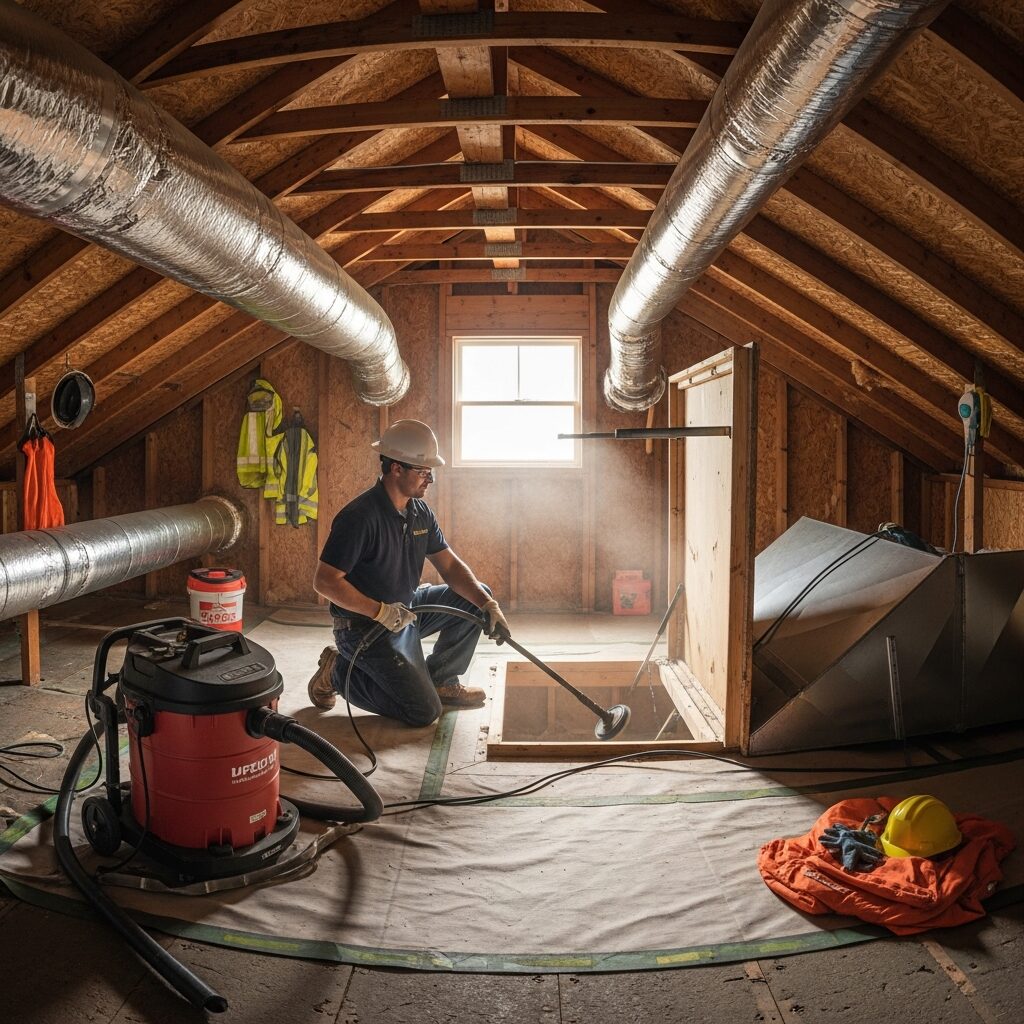
Midway through that process is where details differentiate routine work from specialized care. For example, if the vent exits on a high, pitched roof, the technician might need a second person for ladder safety, a roof harness, or scheduling around wind conditions. In multi-family buildings, accessing a locked roof hatch or coordinating with management adds planning. All of that preparation is part of delivering a complete, professional dryer vent cleaning, and it is why two jobs that look similar at first glance may require very different levels of effort on the day.
How buildup level influences the work
Not all lint is equal. In homes with pets, the lint tends to be more fibrous and compact, sticking stubbornly to elbows. If the dryer has been venting into a humid attic or through a long, cool run, moisture can mix with lint to form dense clumps that ordinary brushes won’t dislodge easily. When a dryer struggles for months or years with poor airflow, the high heat can also harden lint along seams and elbows, making the cleaning more meticulous. Seasonal factors matter too: our Santa Ana winds move fine dust around, and that dust finds its way into vents through exterior caps. These are the details that make residents across Riverside, Encino, and Sherman Oaks compare results and wonder why their neighbor’s appointment took less time—because the inside story of each vent is different.
Materials and code considerations
The type of ductwork matters. Many older homes still use flexible foil or even outdated plastic materials behind the dryer. While convenient, these can crush easily or trap lint in their ridges. Modern best practice calls for smooth, rigid metal ducting for the main run, with a short semi-rigid transition connection that resists crushing. If your home needs an upgrade from older, unsafe materials, that work is typically planned alongside cleaning, since the line is already open and evaluated. Safe routing, appropriately supported duct sections, properly sealed joints, and a functioning backdraft damper at the exterior are all part of the bigger safety picture that professional technicians check while cleaning.
Roof versus wall terminations
In Sherman Oaks, we see a mix of wall and roof terminations. Side wall hoods are usually more direct to reach, but landscaping, gate access, or multi-level patios can complicate the job. Roof terminations require careful ladder placement, consideration for tile or shingle integrity, and coordination with weather. A secure, safe setup can add time but pays dividends in thoroughness. Regardless of termination type, the goal is to leave you with a free-swinging damper that opens under dryer pressure and closes to keep pests and rain out.
Multi-family, HOA, and property management realities
Condo communities along Ventura Boulevard and garden-style apartments closer to the 101 often have shared rules for maintenance. That can mean setting appointments within HOA-approved hours, documenting before-and-after photos, or providing proof of insurance. Some buildings require coordination with a resident manager for roof access or to unlock service rooms. These administrative steps are part of professional service in our area and can influence timing and planning, especially for larger buildings where multiple units are cleaned in sequence.
What to expect during your appointment
A good technician will start with introductions, protect flooring, and evaluate how the dryer is currently venting. Expect the dryer to be moved carefully, the transition duct removed and inspected, and the lint trap housing cleaned. The tech will then locate the exterior exit and confirm how the vent runs. With power tools connected to containment, they will work from the best access points to brush and vacuum the line end to end. If there are elbows in the attic, the tech may need to change brush heads or approach from both directions. Once clean, the terminal cover is checked, the dryer is reconnected with a safe transition duct, and a final airflow reading or functional test verifies improvement. You should feel stronger airflow at the exterior and notice quicker drying times in the days that follow.
Value beyond the appointment
While it is tempting to judge value purely by how long the visit takes, it is smarter to focus on what is being delivered. Documentation of findings, photos, airflow improvements, and any safety recommendations matter. The right adjustments—like repositioning the dryer to prevent kinks or upgrading a flimsy transition—can prevent future headaches. In our climate, with hot summers and occasional humid spells, keeping the vent clear also reduces wear on the dryer and helps control indoor heat in the laundry area. Over time, those benefits add up to a safer home and a more reliable appliance.
How to compare quotes without focusing on a single number
When you request quotes, ask what is included: visual inspection of the entire route, cleaning from appropriate access points, exterior hood service, transition duct evaluation, airflow testing, and documentation. Ask whether the company uses containment and HEPA filtration and how they protect flooring and surrounding finishes. Clarify whether roof access is included when needed and how they handle challenging terminations or pest guards. The more clearly you understand the scope, the better you can compare apples to apples. Beware of offers that promise a quick in-and-out visit without detailing steps; those shortcuts often leave lint pockets behind, which defeats the purpose.
Scheduling smartly in Sherman Oaks
Our neighborhood’s rhythms can affect timing. Fall is a popular time to service vents after a summer of heavy laundry and before holiday hosting. Spring cleanings are common too, especially for households with pets. If your vent terminates on a roof, it may be wise to book during milder weather to reduce wind concerns and surface heat. For multi-family buildings, planning ahead with your HOA or property manager can streamline access and reduce the chance of rescheduling.
Signs it is time to book
Longer drying cycles, a hot laundry room, musty odors, or a flap at the exterior that barely moves when the dryer runs are classic clues. Lint around the exterior hood or a burning smell are more urgent signs. If you have never had your vent professionally cleaned, or if it has been years, consider moving it to the top of your home maintenance list. The peace of mind you gain—especially in a dense neighborhood where many homes sit close together—is worth the effort.
Aftercare and maintenance tips
Small habits make a noticeable difference over time. Clean the lint screen before every load. Avoid overloading the dryer, which can shed more lint and trap moisture. Periodically look behind the unit to ensure the transition duct is not crushed. Step outside while the dryer runs; the exterior damper should open fully and close again when the cycle ends. If you notice changes in airflow or hear unusual flapping or rattling, call a professional for an assessment. Many Sherman Oaks homeowners set reminders for annual or biennial service depending on household size and laundry frequency.
Local perspective: what we see most
In hillside homes near Mulholland, we frequently encounter long attic runs with multiple elbows and older roof caps. Along Ventura Boulevard’s corridor of condos, roof terminations and shared access are the norm. In cul-de-sacs closer to the 405, laundry rooms often occupy interior walls that require clever routing to an exterior side yard. Each configuration brings its own quirks—kinked transitions behind tight-fitting washers and dryers, cracked elbows in hot attics, or damper flaps jammed with wind-blown debris. Understanding these patterns is what helps a seasoned local technician plan effectively and leave your system in better shape than they found it.
Common add-ons and when they matter
Sometimes, cleaning reveals opportunities to improve safety or performance. Replacing an outdated, flimsy transition with a semi-rigid, properly clamped connection is a simple upgrade. Swapping a stuck or rusted exterior hood for a modern cap with a free-swinging damper makes a big difference in airflow and pest control. Where rods and brushes cannot navigate a tight elbow, a technician may use specialized tools to agitate and capture lint without damaging the duct. These decisions are best made on site, after inspection, with a clear explanation of the benefits.
Frequently Asked Questions
How often should a dryer vent be professionally cleaned in Sherman Oaks?
Most single-family homes benefit from annual cleaning, especially if the vent run is long or includes several elbows. Households with large families, pets, or frequent laundry may need service more often. Condo units with roof terminations sometimes show lint buildup faster due to vertical runs and dampers that open under higher pressure. If you notice longer drying times or reduced airflow at the exterior, move your appointment sooner.
What makes roof access more involved?
Roof work requires safe ladder placement, awareness of roofing materials like clay or concrete tile, and sometimes a second technician for spotter duty. Wind and heat play a role too; scheduling on a milder day helps. The extra setup ensures the cleaning is thorough and the roof remains undamaged, which protects both your home and the service team.
Can I clean my vent with a DIY kit?
DIY kits can remove some lint from short, straight runs, but they often struggle with long ducts or multiple elbows, and they rarely include the containment and suction needed to keep debris out of your living space. The biggest limitation is that DIY efforts do not usually address stuck dampers, crushed transitions, or partial blockages behind elbows. A professional assessment provides a more complete solution, along with verification that airflow is restored.
Do different dryer models change the scope?
Gas and electric dryers both rely on clear airflow. Some models draw more air or run hotter, which can exaggerate problems in partially obstructed vents. Compact, stackable units in closets can be more challenging to move and reconnect properly. Regardless of model, the cleanliness and integrity of the vent path matter most for performance and safety.
What if there is a birds’ nest or pest guard clog?
Technicians frequently encounter nests, stuck pest screens, or clogged cages at exterior terminations. Removing obstructions safely, cleaning behind them, and verifying that a proper damper remains in place are standard parts of a complete service. Preventing animals from returning is important, but so is ensuring that any screen does not trap lint or restrict airflow.
Will I get before-and-after documentation?
Reputable providers offer photos or video to show what they found and how the vent looks after cleaning. They may also provide airflow readings or a functional test at the exterior. Documentation helps you understand the condition of your system now and what to watch for in the future.
Can a poor transition duct undo a good cleaning?
Yes. A crushed or overly long transition behind the dryer can restrict airflow dramatically, even if the main line is spotless. Part of the value of professional service is setting the appliance and its connection so the duct is supported, short, and free of kinks. This small detail pays off in performance and longevity.
What are signs I should not ignore?
Clothes taking longer to dry, a laundry room that feels unusually warm, a musty or hot smell during operation, or little to no movement at the exterior damper are all signals to schedule service soon. If you ever see scorch marks, notice excessive heat from the dryer top, or find lint accumulating around the exterior hood, treat those as urgent cues to call a professional.
Ready to make a confident decision?
If you have been weighing options and comparing approaches, now is a great time to act. Restore safe airflow, protect your dryer, and gain the certainty that comes from expert workmanship. Schedule your Sherman Oaks appointment today with true local specialists, and start enjoying shorter cycles and cooler laundry rooms. When you are ready, book dependable dryer vent cleaning and let a trusted team handle the details from start to finish.