
When neighbors in Sherman Oaks ask what determines the overall cost of dryer vent cleaning, they are often surprised to learn that it has less to do with a simple “one-size-fits-all” visit and more to do with the unique layout and condition of each home. Our community features everything from mid-century ranch houses and hillside properties to contemporary condos off Ventura Boulevard. Each layout influences the time and technique required for a thorough job. While it is natural to wonder about budget, the most helpful way to approach the topic is to understand the key factors that shape the scope of work—and how a careful, comprehensive approach actually preserves your dryer, protects your home, and saves time. If you are starting to research options, consider booking trusted local dryer vent cleaning so you can base your expectations on what your specific system really needs.
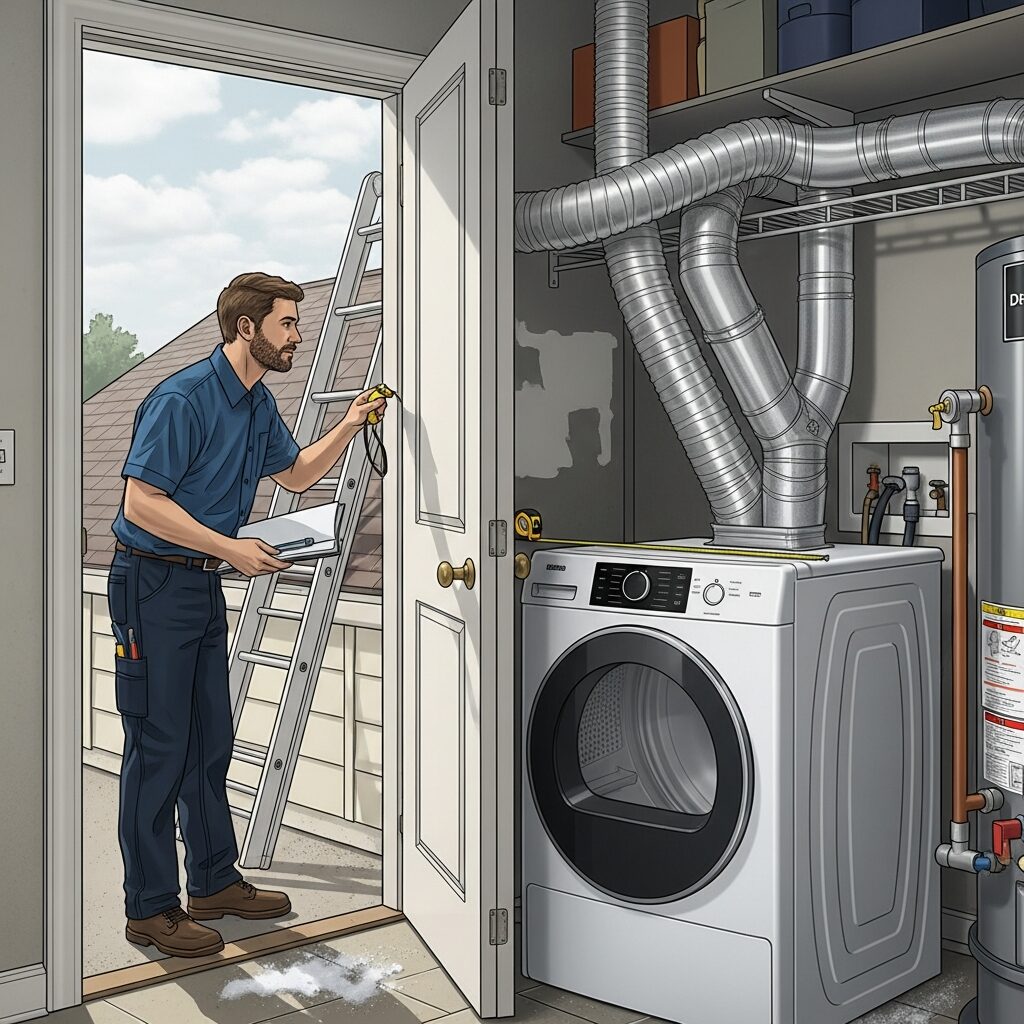
Let’s begin with the vent’s path. In many Sherman Oaks homes, the laundry area was moved during a remodel, often to an interior hallway or a closet near bedrooms. That change may leave you with a duct that winds through joists and turns sharply several times before reaching an outside wall or roof cap. Every turn slightly reduces airflow and provides another place for lint to accumulate, meaning more careful cleaning is required. By contrast, a short, straight line from the dryer to an exterior wall is faster to address. The complexity of your vent path is one of the most direct influences on how involved a visit will be.
What Affects the Scope of a Dryer Vent Cleaning Visit
Access is a major consideration. If your vent terminates on the roof—as is common in hillside or multi-level residences—the technician may need specialized safety equipment and coordinated access to clear the cap and work from both ends of the line. If you live in a condo or townhome community with HOA protocols, scheduling and roof entry rules sometimes add coordination steps. None of this is a problem for a local pro, but these elements affect how the work is planned and carried out.
The condition of the termination cap and the type of duct material matter as well. For example, a painted-over flapper can stick shut, creating back pressure that pushes moisture and lint back into the duct. Removing that paint buildup or replacing a malfunctioning component is part of a thorough service. Likewise, older, non-compliant duct material discovered behind a wall—such as thin plastic flex—should be addressed for safety. Identifying and resolving these issues contributes to a complete, long-lasting outcome.
Why Local Homes Present Unique Considerations
Sherman Oaks sits at the crossroads of canyon winds and urban life. Santa Ana conditions bring fine dust that can lodge in exterior terminations. Rooftop vents absorb relentless summer heat, and interior remodels often create longer duct paths than builders originally intended. Multi-family buildings along Magnolia or Moorpark may have stacked dryers with vertical vents and booster fans. Each of these traits influences how cleaning is performed and what additional steps may be required for safe, reliable airflow.
In addition, our varied housing ages mean that some properties have undergone multiple renovations. Each remodel might have introduced extra elbows or connected new lengths of duct. Technicians who know the local building history can often anticipate where these turns are and plan a more efficient, effective cleaning strategy, which ultimately leads to a smoother visit and better performance from your dryer.
Signs That Your System May Need Extra Attention
If you notice your dryer running longer than usual, a hot laundry room, or a persistent warm, dusty odor after a cycle, those symptoms usually point to airflow restriction. In some homes, you might see lint gathering around the outside cap, or the flapper may not open fully while the dryer runs. Newer appliances can flash an airflow or vent warning. These are signs that the line is holding lint or that a cap is not functioning correctly. When these symptoms appear, a detailed cleaning is in order—and the more pronounced the symptoms, the more thorough the service should be, including cap inspection and interior checks.
Post-renovation and move-in cleanings are also common in our neighborhood. Sawdust and construction dust can mingle with lint and create stubborn deposits. If you just relocated your laundry or finished a remodel, scheduling a full vent cleaning gives your system a fresh start and helps your dryer perform at its best from day one.
Inside the Cleaning Process: What Drives the Effort
A conscientious service begins with assessment. The technician will identify the vent path, check the transition connector, and locate the termination. From there, they will use appropriate brush heads and air or vacuum tools to agitate and remove lint, pet hair, and debris. On systems with roof terminations, they will address the cap, test the flapper, and clear any obstruction. The goal is to create unobstructed airflow from the dryer to the outdoors.
Along the way, a pro may recommend small improvements that can protect your system long-term. Examples include swapping a crushed or overly long transition hose for a smooth, code-compliant connector, or replacing a malfunctioning wall or roof cap. These updates are not about upselling—they are about ensuring your freshly cleaned vent stays clean longer and your dryer runs at the temperature and cycle length it was designed for. An experienced local technician will explain your options clearly so you can make an informed decision based on your home’s layout.
How Thorough Service Protects Your Dryer and Home
Clear vents help your dryer run cooler and complete cycles on time. That means less stress on the motor, heating element, and sensors. It also means fewer wrinkles and a cooler laundry space. Over the long term, that translates into a smoother, more predictable laundry routine. For households with frequent loads—from sports uniforms to bedding—a high-performing vent reduces bottlenecks and evening noise, which is especially appreciated in condos and townhomes with shared walls.
There is a safety dimension here, too. Lint is highly flammable, and when it accumulates in tight elbows or in a stuck cap, it can trap heat. Proper cleaning eliminates these heat traps and restores the intended escape route for warm, moist air. That benefit is difficult to quantify, but anyone who has found a thick mat of lint behind a dryer knows how quickly buildup can occur.
Local Expertise Helps Clarify Expectations
Another way to think about the “cost question” is to recognize the value of a local expert’s judgment. In Sherman Oaks, that expertise means knowing which roof caps tend to stick, which remodel trends create hidden elbows, and which buildings enforce strict roof access policies. It also means arriving prepared, communicating timing expectations, and walking you through what was found and what was cleared. This transparency helps you understand exactly what work was completed and why it matters to your home.
From a planning standpoint, a local pro can suggest a maintenance rhythm based on your usage and layout. For example, a single-family home with a short, straight wall vent may need less frequent attention than a hillside residence with a rooftop termination and several bends. Establishing a sensible schedule keeps your dryer efficient and reduces the need for reactive, urgent visits.
Common Myths About Dryer Vent Cleaning
One myth is that cleaning the lint trap is enough. While that step is important, the bulk of lint buildup occurs beyond the trap, especially in elbows and at the termination. Another myth holds that new dryers do not need attention for several years. In reality, modern dryers are more sensitive to airflow and will flag restrictions early; they function best with a clear vent from the start. Finally, some believe exterior caps never need service—yet painted flappers, pest screens, or stuck hinges are common in our area and require periodic checks.
It is also common to underestimate the impact of small imperfections. A crushed transition connector behind the dryer can create a choke point that catches lint at the very start of the run. Replacing that connector during cleaning can make a dramatic difference in performance. Local technicians see these patterns daily and know where to look first.
Planning Your Appointment
Before a visit, clearing a path to the laundry nook and moving items off the dryer help the technician access connections quickly. If roof access will be needed, ensuring gates are unlocked and pets are safe makes the day run smoothly. During the appointment, expect some vibration sounds as agitation brushes do their work; a professional will keep dust controlled and vacuum the area before finishing. When the job is complete, you should feel a strong, consistent push of air at the exterior termination and notice shorter cycle times on your very next load.
If you manage a building or HOA community, consider batching units by stack or by roof access needs so that everything can be coordinated efficiently. Local teams are accustomed to working within scheduling windows and providing simple service records for your files.
Where the Real Value Shows Up
You will feel the improvement in everyday use: faster drying, less heat in the laundry area, and a smoother hum from the dryer. Those are the tangible results of restored airflow. You will also gain peace of mind knowing that the warm, moist exhaust is leaving the home as intended, not lingering in ductwork where it can create hot spots. A well-executed cleaning leaves you with a setup that performs better and is easier to maintain moving forward.
When comparing options, the most helpful question to ask is not “How quickly can you do it?” but “How thoroughly will you treat my specific vent layout?” The right partner will walk you through the plan, adjust for your home’s quirks, and leave you with a clear path from dryer to exterior. That is the kind of service that earns trust in Sherman Oaks and keeps neighbors recommending the same pros year after year. For responsive, detail-focused care, it is smart to rely on experienced local teams for dryer vent cleaning services tailored to your property.
Frequently Asked Questions
What factors most influence a dryer vent cleaning visit in Sherman Oaks?
The length and complexity of the vent run, the type and condition of the termination (wall or roof), the accessibility of the line, and the current level of lint buildup all play major roles. Local housing styles and HOA policies can also shape how the work is scheduled and performed.
How can I tell if my vent needs attention soon?
Watch for longer dry times, a warmer laundry room, and a weak exterior flapper movement when the dryer runs. Newer dryers may display airflow warnings. If you see lint mats at the cap or smell a dusty warmth after cycles, plan a cleaning.
Is roof access a problem?
Not for an experienced local technician. Roof-vented systems are common in Sherman Oaks. With the correct safety equipment and approach, the cap can be inspected and the line cleared thoroughly from the most effective direction.
Do I need any upgrades during cleaning?
Not always. However, if the transition connector is crushed or if the cap is malfunctioning, simple improvements can help your newly cleaned vent stay clear longer and keep your dryer operating as designed. A trustworthy pro will explain options and let you decide.
How often should a typical household schedule service?
Many homes benefit from an annual visit, while heavy-use households or properties with long, complex vent runs may do better on a more frequent cadence. A local expert will suggest an interval that matches your layout and laundry habits.
Will I notice an immediate difference after cleaning?
Most people do. Expect stronger exhaust at the termination, shorter cycles, and a cooler laundry space. Over time, that improved airflow supports smoother dryer operation and a more comfortable home.
Ready to Move Forward?
If you have been noticing longer drying times, a hot laundry area, or a stubborn exterior flapper, now is the right time to act. Connect with a nearby team that knows Sherman Oaks construction styles, HOA expectations, and roof vent quirks. Schedule reliable, thorough dryer vent cleaning in Sherman Oaks and enjoy safer, faster, and more comfortable laundry days ahead.