
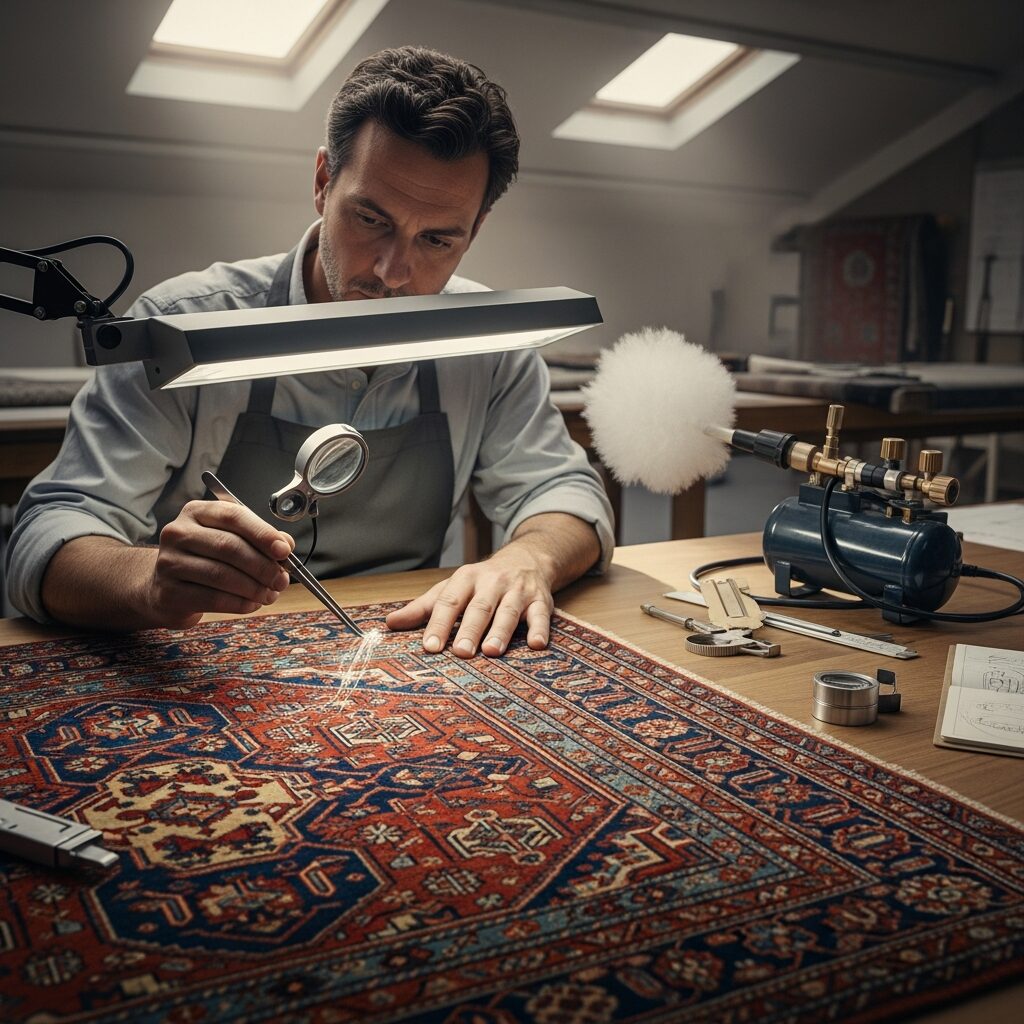
Oriental Rugs: Art Underfoot in Sherman Oaks
Walk into any Sherman Oaks home where an Oriental rug anchors the room, and you’ll feel it immediately: a quiet sense of history, of craft, of color layered upon texture. These rugs are not merely floor coverings; they are statements of culture and memory, often hand-knotted by artisans whose skill threads through every motif. As a local specialist who has cared for countless pieces in our neighborhood—from delicate silk highlights to stout, everyday wool foundations—I’ve learned that successful cleaning hinges on respect. Respect for fiber, for dye, for structure, and for the life of the home where the rug lives. When neighbors ask how to keep their heirlooms safe, I start with a simple truth: every decision in rug cleaning should protect the story the rug tells while restoring the comfort it brings to your space.
Sherman Oaks presents a particular set of conditions. Abundant sunshine brightens our rooms but can gently mute certain dyes over time. Open windows invite evening breezes—and the fine dust that travels with them. Entertaining is part of our lifestyle, and a living room that sees a steady rhythm of guests will pass that energy through the rug underfoot. Add in kids, pets, and the comings and goings from canyon hikes or park visits, and the necessity of thoughtful maintenance becomes clear. The art lies in balancing everyday livability with careful stewardship so your Oriental rug can age gracefully without losing its vibrancy.
Understanding the Weave and the Fiber
No two Oriental rugs are precisely alike, and that uniqueness guides the cleaning plan. Hand-knotted pieces possess a foundation—often cotton, sometimes wool or silk—into which the pile is tied. The knot density, the spin of the yarn, and the exact character of the dye each affect how the rug behaves in water and under grooming. A careful inspection notes these details before any wash begins. Natural dyes, for example, can be marvelously resilient yet sensitive to abrupt pH shifts or prolonged wetness. Silk accents require exceptionally gentle handling to protect luster. Wool tolerates more movement but rewards a delicate touch that preserves the tight twist of the yarn.
One of the most overlooked elements is the foundation. If dust and grit have sifted into the base, they act like a fine sandpaper whenever someone crosses the room. Professional dusting dislodges that hidden sediment so washing can reach the fiber itself. Skipping dusting is like polishing a window without wiping away the soot—results are fleeting. When a rug is well-dusted first, the subsequent wash restores not just color clarity but also the supple hand that makes these textiles such a pleasure to live with.
Dye Stability: Testing Before Trusting
Color is the soul of an Oriental rug. Before any water meets the pile, dyes must be tested. A conscientious cleaner will compare how different hues respond to mild solutions and to rinsing. Reds and blues in particular can display unexpected movement if the pH is off or if the rug has been previously treated with unsuitable products. In my practice, I build the wash around these tests, choosing methods that hold the palette in place while lifting soil. When the palette is secured, the design emerges with a crispness that often surprises homeowners, revealing nuances they forgot were there—like a soft green tucked between floral vines or a deep aubergine echoing around a medallion’s edge.
It’s also important to consider previous repairs and finishes. Some older rugs carry legacy treatments that leave residues within the pile. These can interact with modern solutions in unpredictable ways. A measured, stepwise approach with ample rinsing respects the piece’s history and avoids jolting the fibers or dyes. Expertise is not just about tools; it’s about judgment in the moment.
The Wash: Gentle, Thorough, and Purposeful
Once the plan is set, washing becomes a choreography. Dusting comes first, then a pre-treatment tailored to loosen oils and binders that dull the surface. The main wash may be an immersion for robust wool pieces with stable dyes or a carefully controlled, low-moisture method for delicate or mixed-fiber constructions. Rinsing is as deliberate as the wash itself, because it’s the rinse that carries soils away, leaving the fiber truly clean. Throughout, grooming maintains the lay of the pile so that when the rug dries, light travels evenly across it instead of breaking into streaks or dark patches.
Drying deserves equal attention. A flat, well-supported dry under steady air movement sets the rug’s dimensions correctly. For silk or fine wool with a high knot count, drying can include periodic hand-grooming to lift the nap and guide the sheen. When done properly, the rug returns to your home feeling balanced—no stiffness, no waviness, just a quiet confidence in the textile’s restored life.
Addressing Odors and Pet Concerns
Life with pets is joyful, and many Oriental rugs have weathered a few accidents along the way. Odor stems from residues that reach the foundation. A fragrance spray only disguises it briefly. Successful treatment neutralizes the source through controlled washing that reaches the base without shocking the dyes. The key is patience: allowing solutions time to work, then rinsing thoroughly so residues leave with the water. Once the foundation is fresh again, the characteristic wool or silk aroma returns—clean, light, and free of foreign scents.
For recurring pet zones, discuss protective strategies with your cleaner. Thoughtful placement of furniture, strategic rotation, and prompt blotting build a routine that keeps these areas under control. If a rug pad is involved, it may need replacing after a significant accident. A good pad supports the rug’s movement and cushions footfalls; a compromised one can trap residues. Addressing both layers ensures a truly fresh result.
Everyday Stewardship in a Bright, Busy Home
Between professional cleanings, small rituals preserve beauty. Vacuum with a suction-only tool and a light hand, moving with the pile. Stop short of the fringe to prevent tangle and loss. Rotate the rug to even out sun and foot traffic. If you host frequently, consider a gentle grooming every few weeks—a soft brush in the pile direction to settle the nap. When a spill happens, blot with cool water and a white cloth, then pause. If color transfers to the cloth, call a professional before proceeding; that transfer is a sign that dyes may be unstable and need specialized attention.
In Sherman Oaks, our seasonal rhythms suggest care rhythms too. After windy spells, a slightly more diligent vacuuming routine will keep fine dust from building at the base. During bright months, sheer window coverings during peak hours help manage sun exposure. These are simple adjustments that pay outsized dividends in how your rug ages.
Repairs and Finishing Touches
Edges and fringes frame the artistry within. When side cords begin to loosen or a fringe thins at the center, repairs done soon are more conservative and blend more gracefully. Hand-stitching that mirrors the original method reinforces structure without introducing stiffness. After cleaning, a modest blocking can correct a slight skew, restoring the strong geometry that gives many Oriental designs their power. The goal in every intervention is deference to the original work: stabilize, support, and step back so the motif and color can speak.
Working with a Trusted Local Specialist
Choosing a service is about confidence. You should feel that your questions are welcomed and answered plainly. Ask how the rug will be identified, how dyes will be tested, and what dusting and drying methods are planned. A seasoned professional will walk you through the process and set clear expectations, especially if there are pre-existing color changes from sun or older stains embedded in the pile. Somewhere in that conversation, you will hear why truly expert rug cleaning is never one-size-fits-all; it is a sequence of right decisions matched to the textile and to the way you live with it.
Frequently Asked Questions
How often should I have my Oriental rug professionally cleaned?
Frequency depends on use, but living room showpieces in active homes often benefit from attention when they begin to dull despite regular vacuuming. Low-traffic rooms can go longer. The point is to remove embedded soil before it compresses the pile or mutes the palette.
Will cleaning reduce the value of my rug?
On the contrary, appropriate cleaning preserves value by maintaining fiber health, clarity of color, and structural stability. The key is an approach that respects the rug’s materials, dyes, and age. Abrasive or generic methods can cause harm; a tailored plan protects your investment.
Can sun fading be reversed?
True sun fade alters dye at a molecular level and cannot be undone by cleaning. However, removing surface soils often reveals stronger color than expected, and even rotation after cleaning can help rebalance the visual impression. Preventive measures like window sheers and periodic rotation are your best allies.
What if I see color on my cloth when I blot a spill?
Stop and call a professional. That transfer indicates unstable dye, and continued blotting with water may encourage more movement. A specialist will stabilize the area and choose a treatment that protects neighboring hues while addressing the spill.
Is it safe to clean a rug with silk highlights?
Yes, with the right method. Silk requires gentle solutions, minimal agitation, and attentive drying that preserves sheen. When handled correctly, silk’s glow returns without matting or stiffness.
Do moths threaten Oriental rugs in our area?
Moths seek undisturbed, darker areas where wool is available, such as rugs stored or left under heavy furniture for long periods. Regular movement, light vacuuming at the edges, and periodic inspections keep them at bay. If you plan to store a rug, consult a professional for safe, breathable packing.
Bring Your Oriental Rug Back to Life
If your rug’s colors feel a bit hushed or the pile has lost its spring after seasons of gatherings and sunlit afternoons, consider a refresh. Work with a local specialist who treats every piece as art underfoot, and who understands the balance between preservation and comfort. With thoughtful care and experienced rug cleaning, your Oriental rug will welcome you with renewed warmth every time you step into the room.