
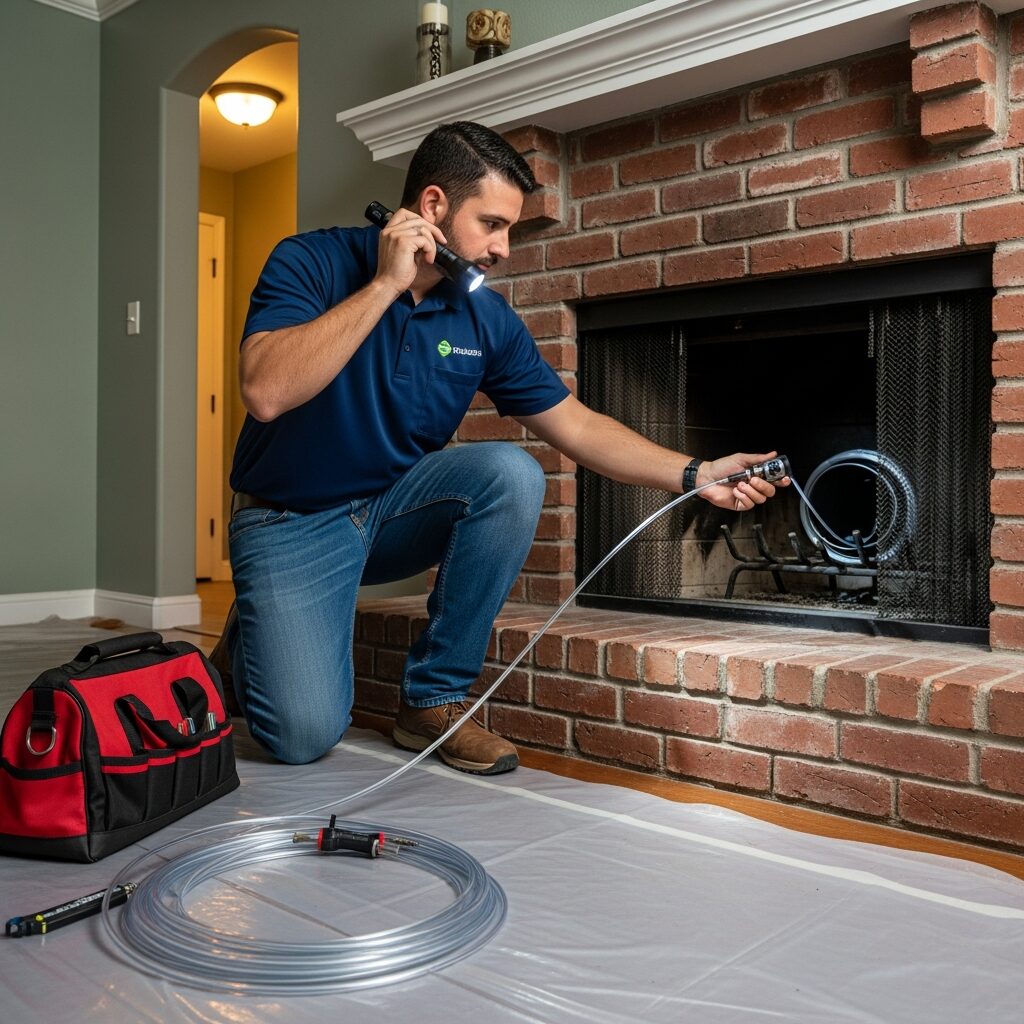
In Sherman Oaks, the smartest homeowners treat chimney cleaning and inspection as a single, coordinated ritual. One keeps the airway clear; the other confirms the system’s integrity and safety. Together they deliver the two outcomes that matter most on a cool evening: a fireplace that lights easily and a living room that stays wonderfully smoke-free. Over the years, working across the hills and the flats alike, I have seen how pairing these services transforms a seasonal chore into a reassuring routine that protects both comfort and property.
Let us set the stage. A typical appointment begins with interior protection—floor coverings, hearth containment, and HEPA filtration—followed by a brief exterior walk-around to assess access and note roof pitch, cap style, and any visible wear at the crown or chase. With the groundwork laid, the sweep proceeds methodically, capturing soot and creosote while safeguarding liners, tiles, and joints. Inspection threads through every step: the technician is not just removing residue but also reading the story your chimney tells about airflow, moisture, and heat over the past seasons. If you are researching local providers, many Sherman Oaks residents start with teams known for thorough chimney cleaning and clear, photo-rich reporting.
Why combine the two? Because cleaning reveals what inspection must evaluate. Flaky soot may hide small joints that need attention. Sticky deposits can mask minor tile chips or smoke chamber roughness. Once residue is removed, cameras and lights can see clearly, and hands can feel transitions and seams that were previously obscured. Conversely, inspection informs cleaning technique: a fragile liner demands gentler brush heads; an offset flue calls for particular rod flexibility. The best results come when each step informs the other in real time.
Architecture matters in Sherman Oaks, where a 1940s cottage may sit two blocks from a modern multi-level with a long chase. Masonry chimneys lined with clay tiles often feature smoke shelves and chambers that benefit from smoothing over time. Factory-built metal systems, while different in construction, still require vigilant checks of termination caps, chase covers, and fasteners that weather sun and wind. An experienced inspector recognizes these systems at a glance and tailors both the cleaning and the diagnostic approach to respect the materials at hand.
On the roof, small details add up. Does the crown slope shed water cleanly away from the flue liner? Is the cap square, secure, and meshed properly to keep wildlife out while preserving airflow? Has flashing begun to lift where roofing materials expand and contract under our bright sun? A brief pause to seal a vulnerability or tighten a fastener can prevent the kind of slow moisture intrusion that leads to odor and staining indoors. Think of this portion of the inspection as weatherproofing for a hardworking part of your home.
Inside the flue, the character of creosote shapes both the cleaning plan and the safety assessment. Powdery deposits respond well to traditional brushing and vacuum capture. Glazed, glassy accumulations call for patient, specialized heads and technique. A conscientious technician explains what they find and why it matters. The goal is not to dramatize but to educate: when you understand the residue profile, you understand your fireplace’s behavior and how to keep it performing at its best.
Draft is the invisible star of the show. An inspection that measures and interprets airflow—whether with simple observation or more formal tools—reveals why smoke sometimes hangs at the opening or why odors appear after a storm. Cap choice, chimney height relative to roofline, nearby trees, and even recent renovations can all influence draft. It is common, for example, for a new skylight or a changed room layout to subtly alter how a fireplace breathes. A technician who connects those dots gives you practical options that improve real-world performance.
Our local climate introduces its own chapter. Santa Ana winds pressure caps and can reverse flow unexpectedly, testing how well a chimney resists downdrafts. Rain, while welcome, seeks entry through every micro-crack in crowns, chase covers, and flashing. Summer sun accelerates wear on exterior components, making seasonal checks more than just routine—they are preventative care tailored to Sherman Oaks living. By bundling inspection with cleaning, you make space for that vigilance without adding an extra appointment to your calendar.
Gas fireplaces and log sets deserve equal attention. Though they do not create the same soot profiles as wood-burning systems, they still rely on clear pathways for exhaust. Inspection catches venting issues, confirms that safety devices function properly, and guides gentle cleaning of pilots and glass. Treating gas and wood units with parallel respect simplifies your seasonal routine and keeps every hearth in sync.
Inside the living room, small observations inform big comfort. A damper that opens and closes smoothly, a firebox free of mortar gaps, and a surround without soot trails all point to a healthy system. If inspection reveals areas that could be improved—such as a smoke chamber with rough transitions—your technician should provide options, explain expected benefits, and document the current state with photos. The aim is clarity and choice, not pressure.
Documentation is where an excellent inspection shines. Post-visit reports that catalog findings with dated images, residue descriptions, cap and crown condition, and any recommendations turn a single service into a living record. When the next season arrives, you will be able to compare then-and-now easily. If you ever decide to remodel or sell, this archive becomes a quiet asset that demonstrates care and transparency to contractors or prospective buyers.
Preparation on your end is simple and helpful. Clear the path to the hearth, move delicate items from the mantel, and, if possible, share any notes from past visits. If your home has seen renovations, seismic retrofits, or roof changes, mention them at booking. These details guide the inspector’s eye and ensure the day proceeds smoothly. Meanwhile, a thoughtful crew will bring everything necessary to safeguard your floors and furnishings.
So how long does combined service take? It varies. A well-maintained system on an accessible roof may be completed quicker than you expect. A chimney that has not seen attention in years, or one with complex access, deserves more time and care. The key is that your technician sets expectations at the start and checks in along the way. When pacing is explained, the day feels calm and purposeful rather than rushed or uncertain.
For homes with multiple fireplaces or shared flues, coordination becomes important. Labeling dampers, mapping flue paths, and documenting each unit individually prevent confusion later. A single, well-organized visit that touches each hearth creates a clean baseline from which to schedule future maintenance and monitor performance across the home. It is an efficient approach that respects your time and consolidates information into one reliable report.
Homeowners sometimes ask what they can do between appointments to support a cleaner, safer chimney. Burn seasoned wood, establish a solid bed of coals before moderating flames, and open the damper fully. Store logs off the ground where air circulates to prevent excess moisture. These practical habits reduce stubborn residues and make each cleaning more straightforward. Your technician can add tips specific to your fireplace design and your family’s routines.
The peace of mind that follows a combined cleaning and inspection is real. The next time you set kindling and strike a match, you feel the confidence that comes from a system understood and cared for. The fire catches easily, the room warms evenly, and there is no trace of smoke lingering in the air later that night. That is the promise of bundling these services: immediate comfort backed by documented safety.
As the season shifts and cooler nights invite gatherings, consider your timing. Autumn is popular in Sherman Oaks, and early booking provides flexibility. If you missed that window, do not worry—late winter and early spring are also smart times to check in on the system, especially after heavy weather. What matters most is consistency. A regular cadence reveals trends and keeps small issues from becoming projects that demand your attention at inconvenient moments.
Finally, choose a partner who communicates well. The right professional explains what they are doing in plain language, invites questions, and respects your home at every step. Their report reads like a clear story, not a mystery. They show up on time, protect your space, and leave you with both a cleaner chimney and a deeper understanding of how it works. That combination is what turns an annual task into an easy habit.
When you view chimney care as a blend of cleaning and inspection, you invest in both comfort and resilience. Sherman Oaks homes, with their diverse architecture and lively microclimates, reward that approach. The result is a fireplace that performs gracefully and a home that feels ready for any gathering on any cool evening the season brings.
And if you prefer to research before you book, it helps to compare how local teams present their findings. Do they provide dated, photo-rich summaries? Do they clearly differentiate observations from suggestions? These are hallmarks of a service that values transparency. Combining that transparency with skilled chimney cleaning produces results you can feel the very next time you light a fire.
Frequently Asked Questions
Is cleaning always done before inspection?
In practice, they are intertwined. Light inspection begins at setup, cleaning reveals hidden areas, and then a closer look—often with a camera—confirms the system’s condition. The sequence flexes to what your chimney needs that day.
How often should I combine these services?
Annually is a practical rhythm for most homes that enjoy seasonal fires. Heavier use, cooler burns, or recent renovations may call for an earlier check-in. Consistency builds a useful record and keeps performance predictable.
What parts of the chimney are inspected?
Expect attention to the firebox, damper, smoke chamber, flue liner, crown or chase cover, cap, and flashing—plus the surrounding roof area for signs of water intrusion. The exact scope adapts to your chimney type and access.
Will it be messy?
With careful containment and HEPA filtration, the process should be tidy. Technicians lay coverings, stage equipment thoughtfully, and capture particulates as they work. When the job is done, your living room should look just as it did before.
Do gas fireplaces need inspection too?
Yes. While their residue profiles differ, gas units still rely on proper ventilation and functioning safety features. An annual visit confirms both, and gentle cleaning keeps components working smoothly.
What if the inspection finds something concerning?
Clear documentation and conversation come first. You should see photos, understand the implications, and be presented with options. Many findings are minor when caught early; the goal is to help you plan, not to alarm you.
Ready for a safer, better-performing hearth?
If it is time to pair a meticulous inspection with a thorough sweep, we are here to help. Expect careful protection of your home, transparent reporting, and practical guidance tailored to your chimney. When you are ready to schedule professional chimney cleaning, book your visit and enjoy the calm confidence that follows the first effortless fire of the season.