
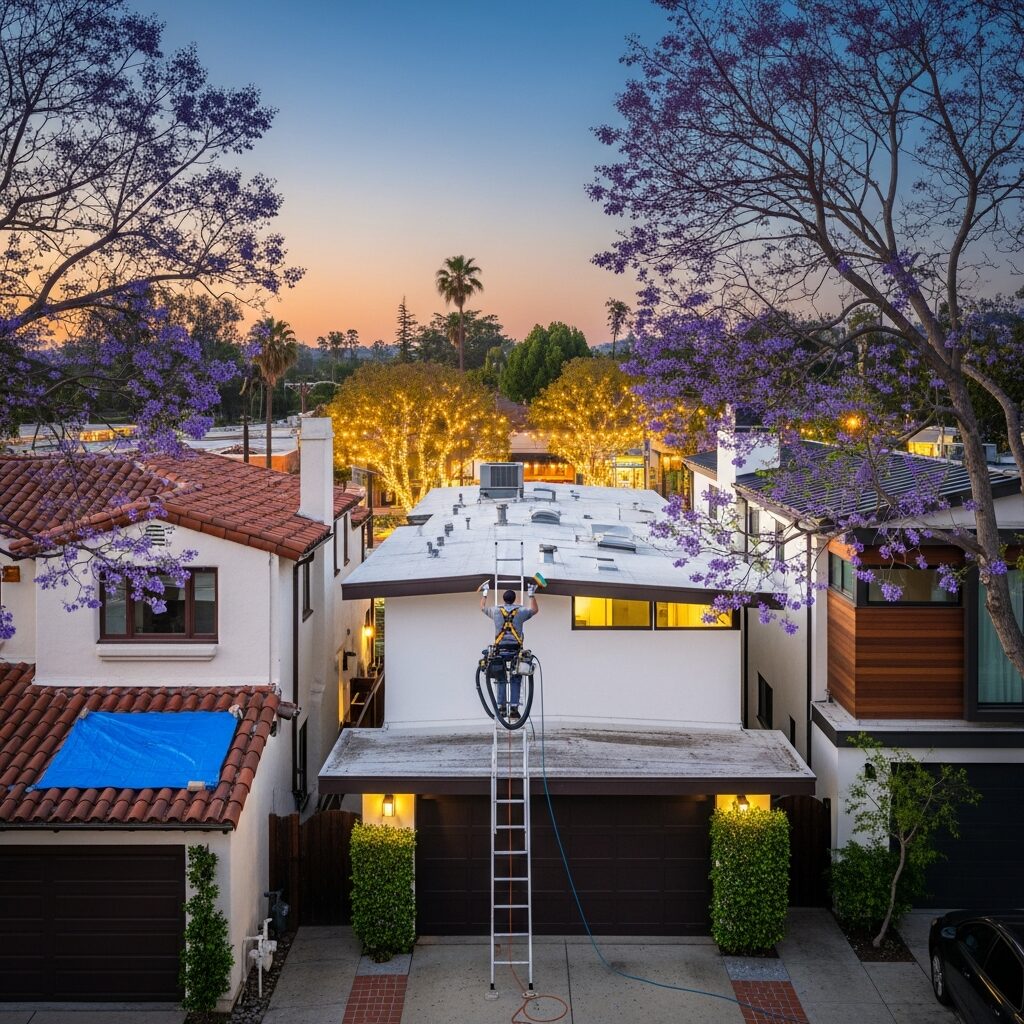
In Sherman Oaks, fireplace season has its own rhythm. The first genuinely cool evening arrives, the breeze drifts down from the canyon, and living rooms from Valley Vista to Magnolia settle into a cozy glow. To keep that comfort predictable, your chimney needs regular attention. The question most neighbors ask is simple: how often should a chimney be cleaned here in our part of the Valley? The best answer blends national guidance with the realities of our local climate, housing styles, and use patterns. As a longtime local observer of hearth habits, I can say with confidence that routine care is the difference between a fireplace that delights and one that disappoints. If you are planning your maintenance calendar now, take a moment to look into trusted local chimney cleaning services that understand the needs of Sherman Oaks homes.
Let’s start with the baseline. For households that use their fireplace during the cooler months, an annual cleaning and inspection is the standard rhythm. Even light users benefit from a yearly check because time and weather work on chimneys whether you are burning weekly or just a handful of times. The visit resets your system, confirms safe operation, and gives you a practical snapshot of how the components—liner, cap, crown, flashing—are aging. The single biggest advantage of this cadence is prevention: small issues are discovered while they are still small.
Of course, frequency also bends to your habits. If your home sees frequent fires from late fall through winter, you are adding residue more quickly and potentially warming and cooling the flue multiple times per week, which can stress materials. In that case, a mid-season check can be wise, especially if you notice even a hint of sluggish draft or a faint smokiness where none used to exist. On the flip side, if you burn rarely, do not assume you can skip a visit for years at a time. Idle chimneys can become attractive to birds and small animals, and moisture can mingle with leftover soot to create odors or staining.
Our microclimate shapes maintenance needs, too. Santa Ana winds have a way of testing caps and screens, and when they blow hard, debris can find its way into flues that are less protected. Winter rains check the integrity of crowns and flashing, and occasional temperature swings can reveal weak points in older masonry. Even if you are not burning often, these exterior forces are at work. A yearly professional look catches the effects before they ripple into indoor symptoms.
Wood choice influences how quickly residue builds. Seasoned hardwoods burn hotter and cleaner, producing lighter, more manageable byproducts. Damp wood or slow, smoldering fires can create shiny, stubborn deposits that accumulate faster and cling more tightly to flue walls. If your wood supply is not consistently dry, or if you tend to dial down airflow to stretch a fire, be prepared for more frequent care. A professional can help you adjust habits to strike a better balance between comfort and clean burns.
Different fireplace types alter the pace as well. Traditional masonry fireplaces with clay liners, popular in older Sherman Oaks homes, can have unique transitions that collect more residue in certain spots. Modern inserts with stainless liners are typically more uniform but still require routine service to maintain efficiency and confirm component health. Gas fireplaces generate fewer residues but still benefit from annual checks to ensure vents are clear and components are operating as designed. If you have more than one hearth, it is efficient to align their service schedules so your entire home is ready for the season at once.
Home improvements and renovations can also reset your frequency. A tighter, well-sealed home changes the way appliances draw air, and that can subtly influence draft. If you upgraded windows, added weather stripping, or undertook a remodel that adjusted room volume, a professional can confirm that your fireplace and chimney are still drawing properly. If not, small changes—like cracking a nearby window during start-up or adjusting how you stage kindling—can make a big difference.
There are also the telltale signs that your chimney is asking for attention ahead of schedule. Smoke that hesitates at start-up, an odor that intensifies on humid days, soot flecks on the hearth even when you have not burned recently, or a damper that feels sticky are all nudges from your system. After a major wind event or a strong storm, a quick check for debris at the cap or signs of moisture in the firebox is smart practice, followed by a professional visit if anything seems off.
Scheduling strategy can smooth the experience year after year. Late summer and early fall are popular windows that set you up for the first cool nights, but there is a lot to be said for spring appointments as well. With the season’s last fire behind you, a spring cleaning clears away the final residues, reduces off-season odors, and leaves you ready for spontaneous use when the next chilly evening arrives. It also gives you more calendar flexibility, which busy households appreciate.
Working with a professional who serves Sherman Oaks routinely brings helpful nuance to these decisions. Local pros understand how hillside exposure affects exterior elements, how older crowns respond to our sun, and how neighborhood tree cover can send leaves tumbling into caps and screens. They also know the rhythm of local logistics—Ventura traffic, school rush hours—and plan accordingly to arrive on time and work efficiently without cutting corners.
Education is a huge piece of the long-term frequency puzzle. The more you understand about airflow, fuel, and start-up techniques, the more consistent your fires and the slower your residue builds. Professionals often share simple pointers that pay dividends: warming the flue before adding logs on cold mornings, spacing wood to encourage airflow, and keeping the damper fully open until the fire is stable. Over a season, these habits keep your chimney cleaner and your experience more satisfying.
If you are a landlord or manage a small HOA, a shared service calendar makes life easier. Aligning annual cleanings across units or properties establishes a predictable routine and ensures every fireplace is safe and ready at the same time. It also simplifies communication with residents, who will appreciate the consistency when the nights start to cool down.
For families who value evenings around the fire, the reward for sticking to a regular schedule is tangible. Starts are easier, the flame is clearer, the room stays fresh, and the morning after lacks that lingering campfire scent. You also gain confidence that, when guests drop by and the temperature dips, your hearth will be a highlight of the night rather than a source of smoke or frustration.
Midway through your planning, as you sketch out a calendar that fits your home’s use, it is wise to consult a specialist in professional chimney cleaning who works across Sherman Oaks. Their on-the-ground experience helps you refine frequency to your exact situation and gives you a sounding board for small adjustments that have an outsized impact.
After each service, a clear summary of what was cleaned and what was observed becomes your roadmap for the next season. If a cap is beginning to weather or a damper is showing its age, you will know to keep an eye on it. That shared understanding between homeowner and technician is the quiet engine behind stress-free winters.
Back at the hearth, the markers of a clean, well-maintained system are easy to notice. Fires catch without coaxing, glass doors stay clearer, and the living room smells like your living room, not last night’s fire. Those small victories stack up, turning your fireplace into a reliable, welcoming companion through the Valley’s cooler spells.
Frequently Asked Questions
What is the recommended cleaning frequency for a typical Sherman Oaks home?
Once a year is the standard, even for lighter users. Annual service clears residue, confirms safe operation, and catches weather-related wear before it becomes a nuisance.
Should heavy fireplace users schedule more often?
If you burn frequently through the season or notice performance changes, a mid-season check can be helpful. A professional can advise based on the residue type and your specific setup.
Do gas fireplaces need yearly attention?
Yes. Gas units produce fewer residues but still benefit from vent checks and component inspections to maintain safe, efficient operation.
What off-season signs suggest I should not wait?
A strong odor on humid days, soot flakes on the hearth, damp spots in the firebox, or animal noises near the cap are clear signals to schedule sooner.
Is spring a good time to schedule?
Absolutely. Spring cleanings clear away the season’s last residues and minimize off-season odors, giving you flexibility and a fresh start for the next cool spell.
How can I slow residue buildup between visits?
Burn seasoned hardwood, allow ample airflow, warm the flue before adding logs on cold mornings, and avoid slow, smoldering fires. Small habits add up to cleaner burns.
When you are ready to lock in a reliable rhythm for your home, choose a local team that respects your space, explains their work clearly, and keeps your hearth performing beautifully. Reserve your preferred time now and schedule your chimney cleaning so your next cool Valley evening starts with ease and ends with comfort.