
Ask ten Sherman Oaks homeowners how much chimney cleaning involves and you will hear ten different stories—each shaped by the home’s age, the fireplace type, the roofline, and how often the hearth is used. That variety is normal in our neighborhood, where post-war bungalows meet hillside remodels and modern inserts live beside classic masonry. Instead of looking for a one-size-fits-all answer, it is far more helpful to understand the factors that define the scope of a proper visit and the hallmarks of a service that delivers real peace of mind. If you are getting ready for fireplace season and want a reliable starting point, begin with a provider recognized for thorough chimney cleaning and respectful care of Sherman Oaks homes.
Begin with the system design. Masonry chimneys lined with clay tiles tend to have more corners and personality—offsets, narrows, and transitions from firebox to smoke chamber to flue. Stainless liners connected to inserts or stoves are more uniform but still require know-how to clean effectively without scuffing or stress. Technicians familiar with our local mix of homes arrive ready for both, choosing tools and methods that match the materials and geometry they find.
Residue type is another core driver. When you burn seasoned wood with generous airflow, you mostly produce lighter, flaky soot. If your fires have been cooler or logs were damp, harder, shiny residues can form that demand more careful, sometimes more time-consuming methods. A pro will identify what is inside your flue, explain what it means, and tailor the approach so deposits are removed thoroughly and safely.
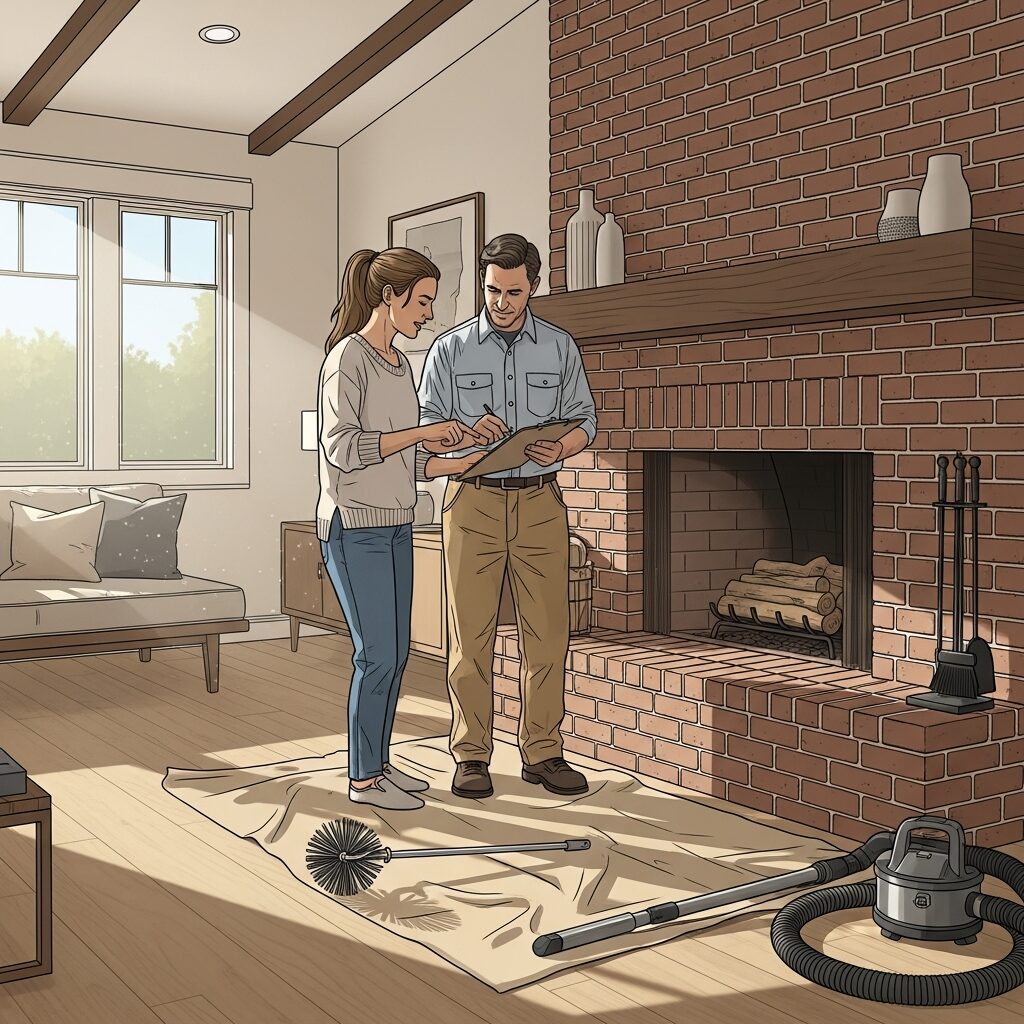
Access plays a significant part, especially in Sherman Oaks where rooflines can be steep and multi-level layouts common. Safe roof access, tie-in points for harnesses, and the protection of landscaping and exterior finishes are all part of a conscientious plan. Inside the home, a thoughtful setup—shoe covers, floor protection, sealed vacuums—keeps the visit neat from start to finish.
Use patterns and local conditions add context. A household that enjoys fires every weekend from November through February will see different buildup than one that lights the hearth only a few times a season. Our microclimate adds layers, too: Santa Ana winds can push debris past caps and screens, and winter showers test flashing and crowns. A professional reads these cues and incorporates them into both the cleaning and the follow-up recommendations.
In many homes, the conversation naturally turns to performance. The heart of a satisfying fire is a cooperative draft: smoke should rush upward, air should feed the flame, and the room should stay fresh and clear. If smoke threatens to spill or the starts feel sluggish, a careful cleaning often restores the flue’s interior to a smoother, freer path. Along with cleaning, pros share small habits—warming the flue on cold mornings, arranging logs for airflow, choosing well-seasoned fuel—that keep the system in its happy place.
Professionalism is visible in how the appointment unfolds. You should expect on-time arrival, prompt communication, a tidy setup, and an unhurried review of findings. Some teams use cameras to show you the inside of the flue and to document conditions worth watching. Others combine mirrors and bright lights to achieve the same clarity. Either way, you are invited into the process so decisions feel grounded and collaborative.
Homeowners sometimes wonder whether a gas fireplace changes the equation. While gas produces fewer residues, vents and terminations still need attention, and components benefit from inspection for wear and alignment. If your home includes both wood and gas units, it can be efficient to have them looked at together, creating a single, coherent picture of your home’s hearth systems.
The exterior matters too. Crowns, caps, and flashing tie the chimney to your roof and guard against the elements. After windy spells or heavy rain, these components can show signs of stress that deserve a technician’s eye. Catching small cracks in a crown or a screen that is beginning to clog prevents future frustrations and supports a smoother draft.
Another factor many neighbors appreciate is the way a true local pro navigates Sherman Oaks logistics. Traffic on Ventura builds quickly, school pickups shift afternoon timing, and hillsides add complexity for parking and access. A team that serves this area daily has learned how to keep appointments efficient without feeling rushed and how to protect your property from entry to exit.
Transparency is the thread that runs through the best experiences. Rather than leaving you with a mystery about what happened, a good technician shares a clear summary: what was removed, what was inspected, what looks great, and what deserves attention before next season. That clarity helps you plan and replaces uncertainty with confidence.
At about the midway point of planning your visit—perhaps after you have gathered a few recommendations—it is smart to consider a specialist in professional chimney cleaning who understands our local building styles and weather patterns. A team that regularly works here will anticipate what your system needs and advise you with a blend of technical expertise and neighborly common sense.
For families who love a fireplace as a gathering place, the value extends beyond a tidy flue. You are preserving the architectural charm of your living room, protecting indoor air quality, and ensuring that the first fire of a cold snap lights without drama. These are the quiet, everyday wins that matter when you live with a hearth and want it to perform beautifully season after season.
Even if you only light a handful of fires each winter, routine attention is wise. Wind and time work on every exterior element on your home, chimneys included. A quick annual reset reduces odors on humid days, curbs soot staining, and keeps your system operating the way it was designed.
In the end, the most useful answer to “how much is chimney cleaning” is a conversation with a professional who looks at your specific setup and explains what they see. That personal look takes into account your home’s design, your use patterns, and the realities of our local climate. It also gives you a chance to ask questions and learn small habits that make each burn cleaner and more satisfying.
Frequently Asked Questions
What determines how involved my cleaning visit will be?
Your chimney’s design and materials, the amount and type of residue, access challenges, and how often you burn are the main variables. Weather exposure and nearby trees can add context.
Is there an ideal time to schedule in Sherman Oaks?
Late summer into early fall is popular because it gets you ready for cooler evenings. However, if you notice smoke spillage, odors, or a long gap between services, do not wait—schedule as soon as it is convenient.
Do gas fireplaces need attention too?
Yes. Gas systems create fewer residues but still require vent and component checks to keep them safe and efficient.
How tidy is a professional visit?
With a sealed vacuum, protective coverings, and a meticulous setup, the process should be remarkably clean. Your living room should look just as it did before the technician arrived.
What should I do before the appointment?
Clear the area around the hearth, move fragile items off the mantel, and ensure an easy path from entry to fireplace. If pets are at home, plan a quiet space for them during the visit.
Will the technician check the exterior components?
Yes. Pros look at caps, crowns, and flashing as part of a complete view of the system, especially after windy or rainy periods that can stress those elements.
If you are ready for a cleaner, more reliable hearth this season, choose a local team that brings craftsmanship and care to every visit. Reach out now to reserve a spot that fits your schedule and schedule your chimney cleaning before the next cool front rolls across the Valley.