
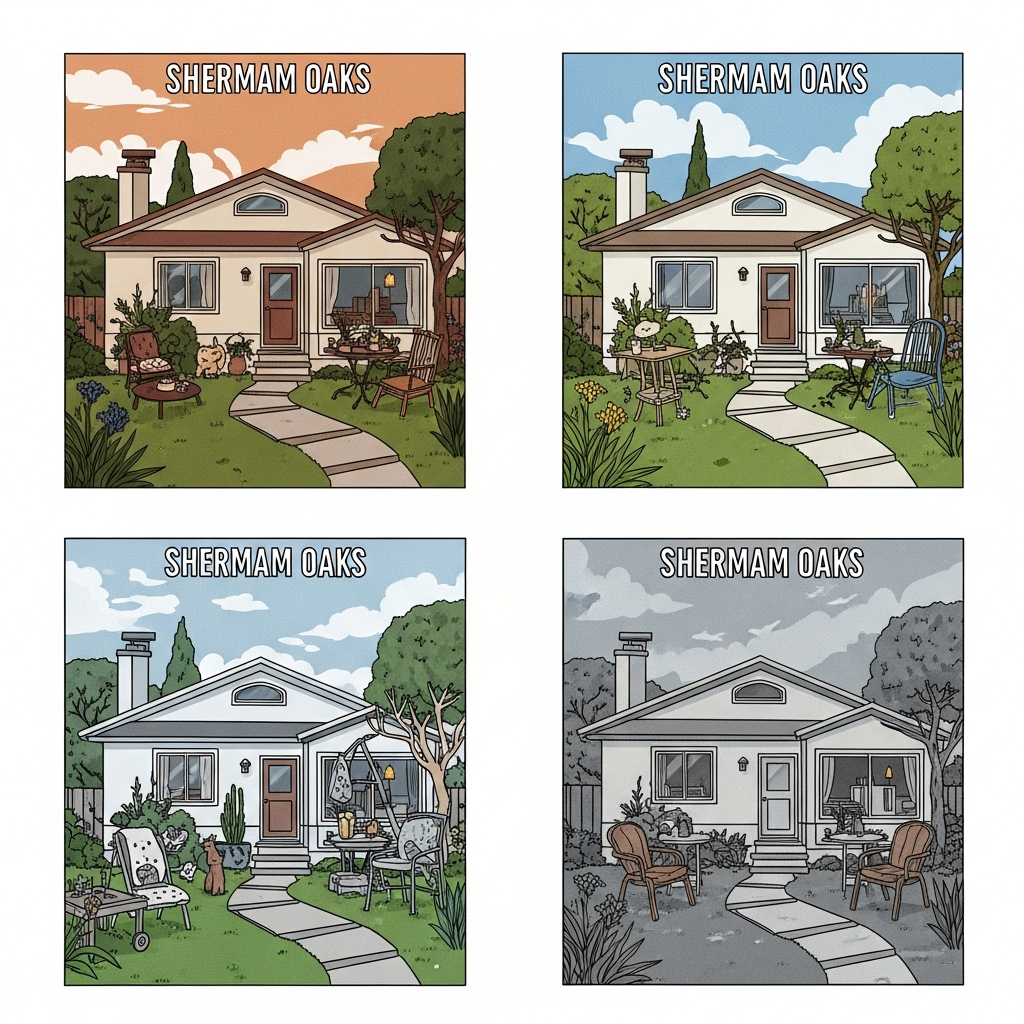
One of the pleasures of living in Sherman Oaks is the way the year moves through our homes. Spring light slants across original woodwork, summer evenings bring the hum of the Valley, and when autumn finally cools the air, fireplaces return to center stage. To keep that experience smooth from season to season, your chimney deserves the same thoughtful attention you give your roof, HVAC, and landscaping. With a local rhythm—timed to our winds, our heat, and our occasional rains—you can keep your system clean, efficient, and ready whenever you want the comfort of a flame. The foundation is simple: pair steady habits at home with periodic professional chimney cleaning so each season begins on the right foot.
Seasonal care is not about following a strict checklist; it is about aligning your maintenance with how the Valley behaves. Santa Ana winds arrive unpredictably, bringing dust and dry air. Summer stretches of relentless sun test masonry and metal. Winter storms, although brief, can send water exactly where you do not want it. If you plan your chimney care with those rhythms in mind, you will find that your fireplace becomes more predictable, your living room stays cleaner, and your evenings feel easier.
Spring: Clearing the Slate After the Last Fire
When the embers of your final winter fire have faded, spring offers a perfect moment to reset. Let the fireplace cool completely, then remove excess ash while leaving a thin insulating layer if you like. As you do, take a mindful look at the firebox. Do the refractory panels show hairline cracks? Are mortar joints intact? Spring light often reveals details that winter evenings hide. With pollen in the air and windows opening more often, you will want to minimize lingering soot smells. A post-season professional evaluation catches any screen clogs at the cap from winter winds and clears the flue so warm weather does not draw the scent of cold soot into the room.
Spring is also inspection season for the roof. While someone is up there for gutters or shingles, it is wise to confirm the chimney crown has no fresh fissures and that flashing sits tight. Winter moisture finds every weakness, and a quick repair now prevents a stain on the ceiling in the first autumn storm. For gas fireplaces, spring is a fine time to have the glass cleaned with a proper product and the burner pattern checked, so you are not troubleshooting when friends arrive for a summer evening gathering.
Summer: Sun, Heat, and the Hidden Work They Do
By July, the Valley sun is doing real work on your chimney. UV exposure and heat can widen tiny crown cracks and dry out mortar joints. Metal components—caps, screens, and flashing—expand and contract daily. If there is a loose fastener or a weak spot, summer will find it. That is why mid-summer is a strategic moment to plan ahead. If you schedule an inspection or cleaning now, you beat the rush that arrives with the first cool evenings, and you give yourself time to address any small issues comfortably before fall.
Summer also reveals odor patterns. If you notice a faint smoky scent on hot afternoons, the culprit is usually deposits in the flue interacting with warm air rising naturally through the chimney. Closing the damper tightly helps, but it cannot compensate for heavy buildup. A summer cleaning clears the source and sets you up for a fresh start when autumn arrives. Plus, technicians have an easier time accessing dry roofs and stable ladders in this season, which helps the visit go quickly and safely.
Autumn: Tuning for Performance Before the First Fire
There is a moment every fall in Sherman Oaks when the late afternoon light shifts and you can feel the first hint of cool in the breeze. That is the cue to make sure your fireplace is ready. Autumn is about performance—reliable starts, clean draft, and a room that stays free of haze. A thorough cleaning removes off-season dust, spider webs, and any debris that found its way under the cap during summer winds. It also puts a spotlight on the damper. You want it opening fully and closing tightly; a half-open damper is the root of many smoky starts and energy losses.
In this season, think about how you will build your first few fires. Dry, seasoned hardwood responds quickly, producing a hot flame that primes the flue. If you are returning to wood after months away, start with smaller kindling and moderate splits to warm the chimney gradually. For gas fireplaces, verify the burner pattern is even and the glass gasket seals snugly. Autumn is when your house is transitioning too—windows are closed more often and fans run less—so pay attention to how the fire behaves the first few nights. If smoke hesitates at start-up, adjust the damper and consider cracking a nearby window briefly to supply make-up air.
Winter: Enjoyment with an Eye on Consistency
Once winter settles in, the focus turns to the rhythm of use. Build fires that breathe, give them room to catch, and avoid starving them of air in a well-meaning attempt to stretch embers. Keep a tidy ash bed—about an inch helps insulate coals and makes restarts faster. If you notice a pattern of smoke curling back when the kitchen range hood is on, turn the fan off during start-up or introduce a little fresh air from a window. On particularly gusty nights, expect the roofline winds to nudge draft briefly. A well-maintained chimney shrugs those gusts off; a neglected one magnifies them into smoky evenings.
Mid-season is also a checkpoint. If your household has enjoyed frequent fires through November and December, January can be a good time for a quick evaluation, especially if early-season logs were less than perfectly seasoned. A mid-winter look keeps creosote from building into the stubborn glazed form and ensures the cap’s spark arrestor has not become a choke point after weeks of use. For gas units, a wipe of the glass with a fireplace-safe cleaner brightens the view and helps you spot any new soot patterns that suggest adjustment is needed.
Adapting to Valley Realities: Wind, Air Quality, and Wildfire Awareness
Seasonal advice in Sherman Oaks comes with a few local notes. Santa Ana winds can arrive in fall, winter, or spring, and they change how your chimney behaves. A cap with a spark arrestor is a must; it reduces ember release and blocks debris. On very windy evenings, give your fire generous air at start-up and be ready to adjust the damper. Air quality advisories are another consideration. Clean, efficient burns produce fewer particulates, which is better for your home and your neighbors. A clean flue and dry fuel make a noticeable difference, turning a smoky, hesitant fire into a bright, steady one.
Wildfire season reminds us to think about embers and roofs. Though Sherman Oaks sits in an urban setting, embers can travel surprising distances on dry, windy days. A well-fitted cap with a proper screen, intact flashing, and a sound crown are your quiet defenders. Seasonal inspections ensure those components are ready long before high-risk days arrive.
Fuel Strategy Through the Year
Managing your wood supply with the calendar pays dividends. In spring, set aside time to split and stack for the next season. Elevate the pile slightly, keep it covered on top while leaving the sides open for airflow, and choose hardwoods that season well. By fall, you will have fuel that lights easily and burns clean. In winter, rotate your stack so the driest pieces are always on top. If you rely on manufactured logs occasionally, use them according to your fireplace’s guidance and never combine them with regular wood in the same burn. For gas fireplaces, plan a quick seasonal once-over to clear dust from intakes and confirm the flame pattern.
As you plan fuel, remember that small changes in how you build your fires echo through the system. A hotter start reduces condensation of byproducts on the flue walls. Maintaining airflow prevents smoldering burns that produce more smoke. Over the year, those better habits translate into less frequent buildup, easier maintenance, and a fireplace that feels like a willing partner rather than a finicky guest.
When to Call a Professional
There are moments in every season when a professional eye is the right call. If smoke pushes back into the room despite your usual setup, if you hear rustling at the cap, if you notice a stain on the ceiling near the chimney after rain, or if the glass on a gas unit hazes quickly even after cleaning, those are signals. A thorough visit—paired with chimney cleaning—reveals what is happening out of sight and puts your fireplace back on a predictable course.
Building a Seasonal Routine You Can Keep
Successful maintenance is about routines that feel natural. Tie your chimney habits to other seasonal chores. When you swap HVAC filters, glance at the firebox and damper. When you schedule roof or gutter work, include a look at the cap and crown. When the first cool evening arrives, light a modest fire and pay attention to how it draws. Those small, mindful checks keep you connected to the system without turning it into a burden.
FAQ: Seasonal Questions from Sherman Oaks Homeowners
Q: Is spring or fall better for my annual service? A: Both can work. Spring removes winter’s residue and prevents summer odors; fall ensures peak performance for the first cool evenings. Many homeowners prefer late summer or early fall to get ahead of the season.
Q: Do I really need to think about my chimney in summer? A: Yes, briefly. Summer heat and UV expose weak points in crowns and flashing, and odors reveal themselves when warm air moves up the flue. A quick check now avoids surprises later.
Q: How often should I clean if I burn wood every weekend in winter? A: Plan on an annual inspection and cleaning, with a mid-season check if you notice heavier deposits, sluggish draft, or if your early-season fuel was not fully seasoned.
Q: What about gas fireplaces—do seasons matter? A: They do. Dust accumulates year-round, gaskets age, and vent screens can clog. A yearly review timed to your usage keeps performance crisp and odors down.
Q: Can Santa Ana winds damage my chimney? A: They can stress caps and screens, dislodge debris into the flue, and create gusty drafts. After notable wind events, a visual check from the ground and a scheduled inspection if anything looks amiss are wise.
Q: What is the best way to store wood in our climate? A: Elevate it off the ground, cover only the top to shed rain, keep the sides open for airflow, and split logs to manageable sizes so they season thoroughly before fall.
Step into the Season with Confidence
Whether you are closing the book on winter or anticipating the first autumn fire, your chimney deserves a moment of attention. With a rhythm matched to Sherman Oaks’ seasons—and the support of expert chimney cleaning—you can count on clean starts, clear air, and the quiet joy of a hearth that is always ready when you are.