
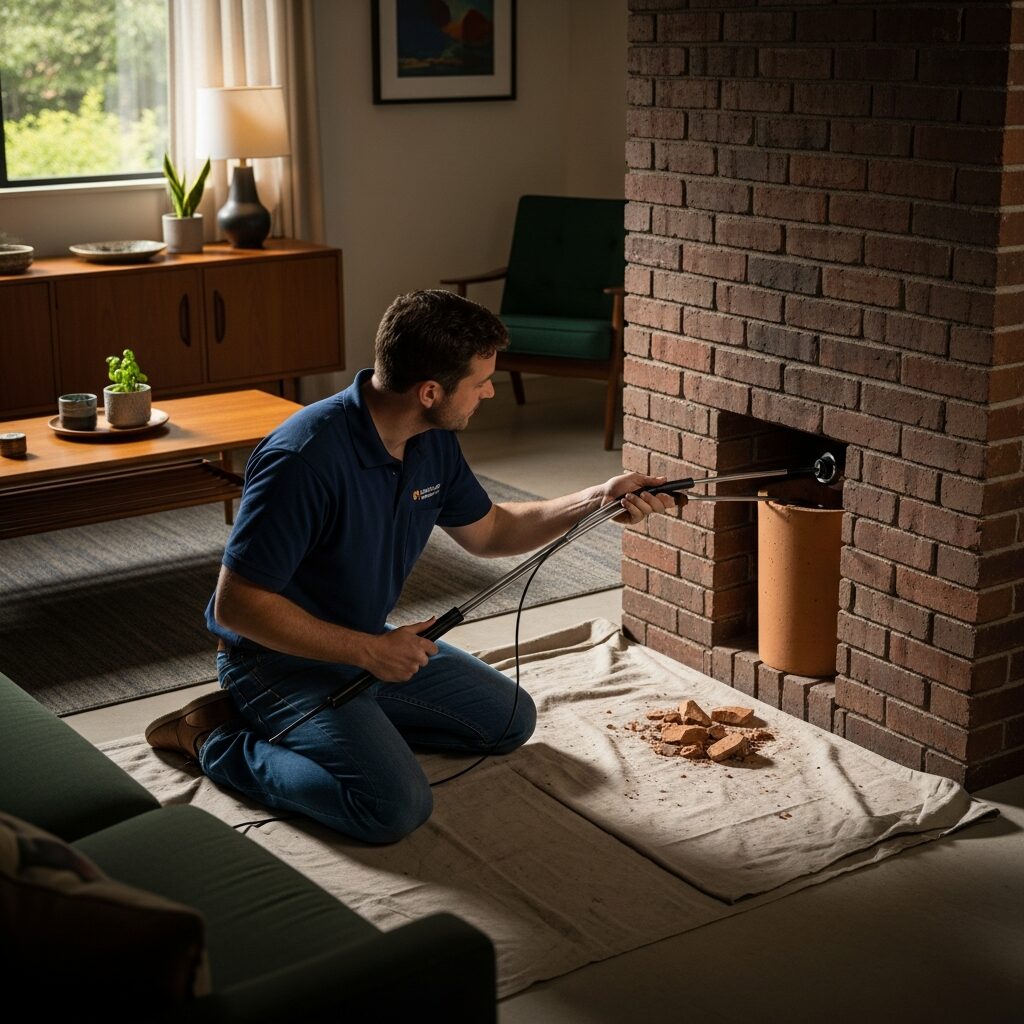
Walk the quiet streets of Sherman Oaks and you will see why older homes here feel so special. From classic midcentury ranches with low-slung rooflines to hillside properties with sweeping views, these houses carry stories in their brickwork and mantlepieces. Their fireplaces are often the heart of the living room, and with a little thoughtful care, they can serve beautifully for decades to come. The question I hear most from owners of these beloved homes is simple: how often should we schedule service to keep everything safe and performing well? The short answer is to build a comfortable rhythm around annual professional chimney cleaning, then fine-tune based on how often you burn, the condition of your masonry, and what our Valley weather throws your way.
Why Older Homes Deserve a Tailored Approach
Many Sherman Oaks homes from the 1940s through the 1960s feature true masonry fireplaces—brick, block, and clay flue tiles carefully fitted together. Time and temperature cycles naturally dry mortar joints, and the occasional rumble of seismic activity can shift materials subtly. None of this means your fireplace is past its prime; it simply means a steady cadence of inspection and cleaning helps you catch tiny changes early, when they are simplest to address. In the smoke chamber, where heat concentrates, older construction can benefit from smoothing to improve flow. At the crown, hairline cracks develop under sun and seasonal moisture and are best sealed before water has a chance to linger.
Factory-built units in older homes, often added during renovations, come with their own needs. These systems rely on listed components—caps, chase covers, and spark arrestors—that must be intact and properly seated to perform as designed. An annual look ensures that wind has not shifted a cover or loosened fasteners and that screens remain clear of debris.
Building a Frequency That Fits Your Home
The backbone of care is an annual appointment. Even with light use, soot settles in the smoke shelf and fine particles adhere to flue walls. Leaves, twigs, and the occasional bit of windblown debris land at the cap. A once-a-year reset clears the pathway for clean draft and keeps odors in check during damp spells. If you enjoy frequent wood fires during our cool spells, consider a mid-season touch-up—especially practical for older masonry systems where early creosote accumulation can benefit from a light, timely cleanup.
Beyond usage, site conditions matter. Homes tucked under mature trees take on more debris, especially after blustery weeks. Hillside properties can experience quirky wind behavior that makes a well-fitted cap essential. If your older home has a tile roof, safe access takes planning; periodic checks confirm everything at the termination is sitting tight.
Reading the Signs Between Appointments
Your fireplace will tell you when it wants attention. Persistent smoky odors after a damp morning, soot flakes in the firebox, a damper that feels stubborn, or a change in how easily a fire starts are all helpful signals. If you notice new staining on the exterior masonry or water marks near the crown, that warrants a look, too. With older homes, a small, timely intervention preserves character and spares you from larger undertakings down the road.
If you have made changes inside—new windows, a stronger range hood, or an HVAC adjustment—you may notice different draft behavior. Older homes breathe differently than newer construction; a professional can help you balance the system so the fireplace and the rest of the house work together comfortably.
Sherman Oaks Climate and Its Quiet Influence
Our Valley climate plays a subtle but steady role. Warm days and cool nights create temperature swings across masonry. Spring marine layers hold moisture, and windy autumn spells test caps and screens. In shaded yards, moisture lingers longer, sometimes amplifying odors. A consistent service rhythm acknowledges these patterns and gives your fireplace the best chance to perform sweetly all year long.
Rain is less frequent here than in some regions, but when it arrives, it can be wind-driven and persistent. A cap that fits well and screens that do not clog are the unsung heroes of older chimneys, protecting against moisture intrusion and nesting animals alike. During each visit, a technician should inspect these components closely and, if needed, suggest practical improvements.
Inside a Thoughtful Appointment for an Older Chimney
Caring for an older system begins with respect. The visit starts at your doorstep with boot covers and drop cloths placed to protect hardwood and original tile. The technician will assess the firebox, taking note of brick condition, mortar joints, and any signs of spalling. The damper’s operation is checked, and the smoke shelf is cleared of loose debris. In the flue, brushing is tailored to the liner—clay tile or metal—and special attention is given to offsets often found in midcentury layouts. At the top, caps and crowns are examined for tightness and hairline cracks, with photos taken so you can see exactly what the technician sees.
For gas fireplaces in older homes, the focus shifts to cleanliness and safety. Dust and lint are removed from burner assemblies, the glass is cleaned, and the media is arranged for an even flame. If there is any sign of condensation or staining on the glass over time, the technician will help you understand why and how to address it.
When to Add a Mid-Season Touch-Up
Owners who enjoy frequent fires—especially evenings clustered around the holidays—often schedule a short, mid-season visit. The logic is simple: you reset the system at the halfway mark, reduce odors, and keep draft strong for the rest of winter. This is particularly helpful for older masonry flues that collect soot more readily when fires are built low and slow. Pairing this visit with your annual chimney cleaning keeps your calendar simple while giving your fireplace the attention it earns through regular use.
Another time to add a quick check is after significant wind events. If your home sits high on a slope or under tall trees, a gusty week can shake loose small debris or nudge a cap out of perfect alignment. A brief inspection restores confidence and keeps surprises at bay when your next chilly evening arrives.
Preserving Character While Enhancing Performance
One of the joys of older homes is their character—the arch of a firebox, the texture of original brick, the patina of a mantel that has framed decades of family photos. Professional care should emphasize preservation. Small mortar repairs keep the aesthetic intact. Gentle cleaning choices protect surfaces while removing soot efficiently. Where improvements make sense—like smoothing a rough smoke chamber or ensuring a crown sheds water properly—the goal is to support the way your fireplace looks and feels while upgrading how it works.
Owners who plan ahead often combine fireplace care with adjacent projects such as roof work, exterior painting, or tree trimming. Coordinating timelines protects fresh materials and makes safe access simpler. A good provider will help sequence the work so each trade has the space and conditions they need.
Frequently Asked Questions
Older homes inspire practical questions about timing, care, and what to watch for. These answers are drawn from day-to-day work across Sherman Oaks.
Is an annual appointment really necessary for a rarely used fireplace?
Yes. Even with minimal use, older masonry benefits from a yearly check. Fine soot, minor mortar shifts, and windblown debris accumulate quietly. A consistent rhythm protects performance and preserves materials.
How do I know if mid-season service is warranted?
If you burn several times a week during cool months, or if you notice odors or sluggish draft mid-winter, a brief touch-up helps keep everything on song for the rest of the season.
Do older chimneys require different tools or methods?
They often do. Gentle, appropriately sized brushes, careful attention to clay tile liners, and a meticulous approach to the smoke chamber are all signs that your technician understands older construction.
What about wind exposure on hillside lots?
Wind can alter draft and deposit debris at caps. A well-fitted cap of the right design, paired with a clean, open flue, reduces smoke spillage and improves consistency, especially in gusty conditions.
Could I simply inspect from the ground with binoculars?
Ground views are helpful for big-picture context, but the crucial details live inside the flue, around the damper, and at the crown. Professional access and lighting reveal what binoculars cannot.
Are gas units in older homes lower maintenance?
They are different, not maintenance-free. Dust and lint affect flames and odors, and age can affect gaskets and seals. A periodic check keeps performance and appearance where you want them.
How should I prepare my older home for the appointment?
Remove fragile décor from the mantel, clear the hearth, and avoid using the fireplace for at least a day beforehand. Let your provider know about roof pitch, tile, or solar so they arrive ready for safe access.
Ready to Keep Your Classic Fireplace at Its Best?
If your Sherman Oaks home carries the charm of earlier decades, a thoughtful service rhythm will help it shine through every season. Plan ahead, listen to the subtle signals your fireplace sends, and work with a provider who treats your home’s history with care. When you are ready, schedule your next chimney cleaning and enjoy warmth, safety, and character in perfect balance.