
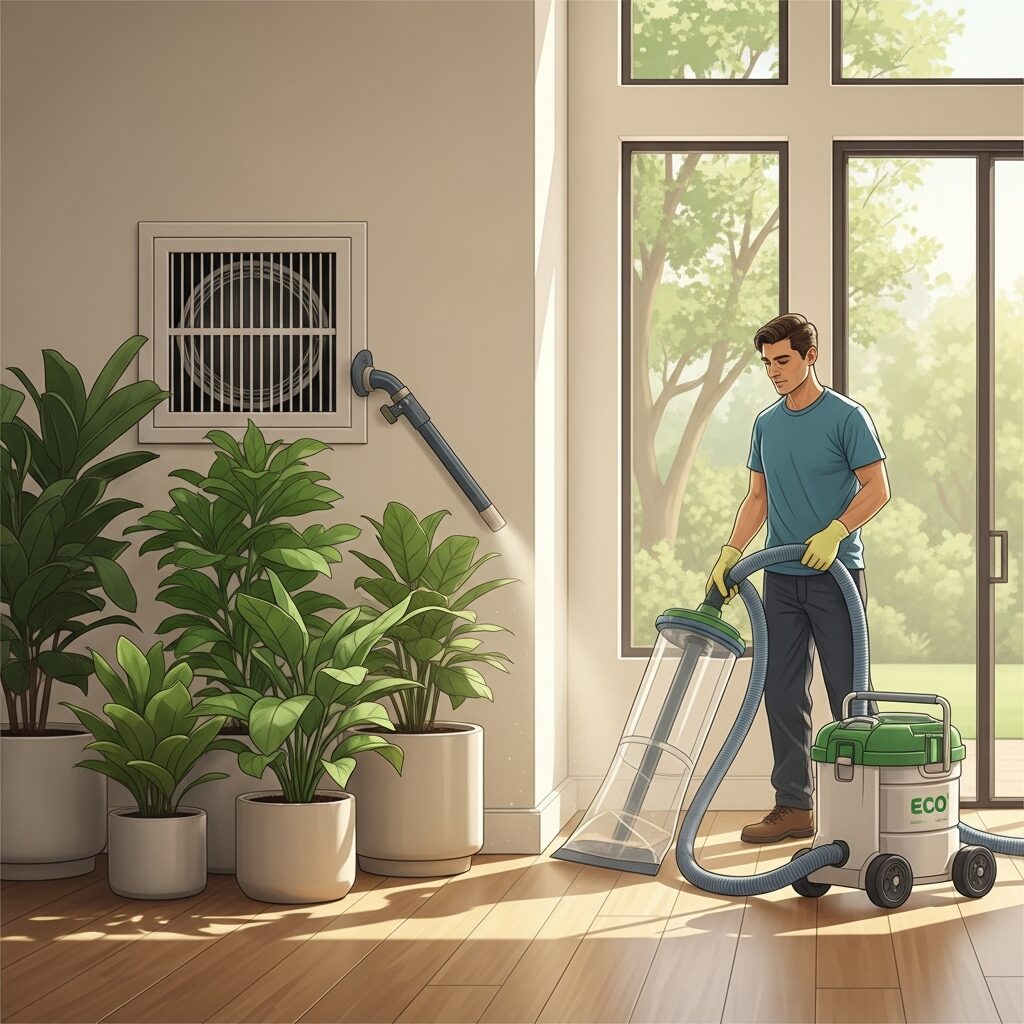
Looking at Air Duct Cleaning Through an Environmental Lens in Sherman Oaks
In Sherman Oaks, environmental conversations are part of everyday life, even when they don’t sound like “environmental conversations.” They show up when we talk about running the AC through a heat wave, when we compare notes about indoor air during smoky days, or when we think about how to keep a home comfortable without wasting energy. Air duct cleaning sits right at that intersection of comfort and responsibility. It’s a home maintenance service, but it also touches energy use, indoor air quality, and the choices we make about products and practices inside our living spaces.
The environmental impact of duct cleaning isn’t only about what comes out of the ducts. It’s about how the work is performed, how debris is contained and disposed of, and whether the service supports efficient HVAC operation over the long term. As a local homeowner or property manager, you can make greener choices simply by understanding what responsible air duct cleaning looks like and what questions to ask before a crew ever sets foot in your home.
This guide explores the real sustainability angles of duct cleaning in Sherman Oaks: reducing wasted airflow, limiting indoor pollutants, avoiding unnecessary chemical use, and choosing processes that respect both your home and the community.
Energy Use: The Quiet Environmental Stake in Clean Ductwork
Most people connect environmental impact to obvious things like driving less or using efficient appliances. But HVAC energy use is one of the biggest contributors to a home’s overall consumption, particularly in the Valley where cooling needs are significant. Ductwork is the distribution network. When it’s compromised—by heavy debris buildup in key sections, by clogged returns, or by leaks pulling in hot attic air—the HVAC system can end up working harder to deliver the same comfort.
Duct cleaning is not a magic efficiency upgrade, and it won’t correct poor duct design or undersized equipment. But when ducts and returns are loaded with debris, cleaning can support smoother airflow and reduce the amount of particulate the system must move around. In practical terms, that can translate to fewer instances where airflow feels “strained” or inconsistent, which encourages homeowners to crank thermostats lower than they otherwise would. Comfort drives behavior, and behavior drives energy use.
In Sherman Oaks, where many homes have ducts routed through hot attics, even small inefficiencies matter. A system already fighting heat gain doesn’t need additional friction from debris and dust buildup. Keeping the air pathway cleaner is one of the smaller maintenance steps that can support the larger goal of using energy wisely.
Indoor Air Quality as an Environmental Issue
Environmental impact isn’t only outdoor. Indoor air quality is a personal environmental issue because it shapes daily exposure to airborne particles. Duct cleaning targets a specific piece of the indoor air puzzle: the buildup inside the HVAC delivery and return pathways. Over time, ducts can accumulate dust, lint, and debris that may become airborne again when airflow changes, especially at startup after the system has been off.
This matters in Sherman Oaks because outdoor air quality can fluctuate significantly. During periods of poor air quality, many households keep windows closed and rely more heavily on HVAC. That increases the importance of what’s in the indoor air loop. A cleaner return pathway, better filter fit, and reduced internal buildup help ensure the system is not reintroducing old particulate each time it runs.
There’s also a practical mental-health angle to indoor air quality. When your home feels dusty or stale, you’re less likely to feel comfortable staying in, and you may run fans or systems longer trying to “clear the air.” A well-maintained HVAC pathway can support a more stable, neutral indoor environment.
Chemicals and “Sanitizing”: Choosing Low-Impact Approaches
One of the most important environmental questions to ask about duct cleaning is whether chemicals are being used and whether they are truly necessary. In many cases, the most impactful work is mechanical removal of debris using containment and negative pressure. That approach is inherently lower impact than relying on fragrances or broad chemical applications that can introduce volatile compounds into the indoor environment.
Responsible providers focus on removing dust and debris first. If there’s a concern about microbial growth, the conversation should shift to identifying moisture sources and correcting them. Moisture is the driver; without addressing it, chemical treatments are a temporary cover. From an environmental perspective, the greener path is prevention and source control rather than recurring chemical use.
Homeowners can advocate for a low-impact service by asking how the company handles dust containment, whether they use products, and what the purpose of any product is. The most environmentally sound services are transparent about process and cautious about introducing anything into the airflow that doesn’t need to be there.
Debris Capture and Disposal: Where the Dust Goes
Another environmental factor is what happens to the debris removed from your system. A careful duct cleaning process uses equipment designed to capture particulate and prevent it from re-entering your home. That is not just about cleanliness; it’s about preventing unnecessary indoor exposure and reducing the chance that the debris becomes part of the immediate neighborhood air through careless disposal.
In Sherman Oaks, homes are close together, and many streets are active with pedestrians, kids, and pets. A responsible provider treats the debris as something to be contained, not released. That means sealed collection, controlled handling, and a cleanup process that doesn’t leave dust trails. While homeowners may not see every step, you can often tell by the crew’s habits: protected work areas, careful transitions in and out of the house, and an emphasis on leaving the home cleaner than they found it.
The environmental takeaway is straightforward: proper containment is a sustainability practice. It reduces indoor recontamination, prevents outdoor dispersal, and helps ensure the service delivers real benefit instead of shifting dust from one place to another.
Middle Perspective: Duct Cleaning as Part of a Sustainable Home Routine
It’s easy to think of duct cleaning as a one-time event, but the greener perspective is to see it as part of a broader routine that reduces waste. When a home maintains filters consistently, keeps returns unobstructed, and addresses duct leaks, the HVAC system can operate with less strain. That can mean fewer service calls, fewer premature component issues, and less temptation to run the system harder than necessary to feel comfortable.
Learning what a thorough air duct cleaning includes can help you choose a service that supports those goals. The most sustainable jobs are the ones that are done right the first time, with careful containment and a clear focus on removing debris rather than masking symptoms. Sustainability in home services often comes down to quality: a well-executed service reduces repeat work, reduces waste, and supports a healthier indoor environment without extra chemicals.
In Sherman Oaks, this matters because our homes are often long-term investments. The more you can keep your HVAC system operating cleanly and efficiently, the more you support a lower-impact lifestyle without sacrificing comfort.
How Duct Leaks and Attic Dust Affect Environmental Outcomes
One environmental nuance that deserves attention is duct leakage. Many duct systems, especially older ones or those modified over time, have small leaks at joints or transitions. In attics, leaks can pull in dusty, hot air. That has two effects. First, it increases the dust load entering the system, which can mean more frequent cleaning needs. Second, it reduces efficiency because the system is conditioning air that is not purely drawn from the living space.
While duct cleaning removes existing debris, it also provides a moment to notice whether the system is likely to get dirty quickly again. If the provider observes signs that attic dust is infiltrating, that’s an opportunity to consider sealing or repairs. From an environmental standpoint, sealing leaks can be one of the most impactful steps because it reduces energy waste and keeps unwanted particulate out of the air loop.
The combination of cleaning and addressing leaks is often what creates the longest-lasting, lowest-impact result. Cleaning alone helps, but cleaning plus prevention is where sustainability becomes tangible.
FAQ: Environmental Impact of Air Duct Cleaning
Q: Is duct cleaning environmentally friendly?
A: It can be, especially when performed with strong containment, minimal or no chemical use, and a focus on removing debris rather than masking odors. The environmental benefit is greatest when the service supports efficient airflow and encourages good filtration habits afterward.
Q: Does duct cleaning reduce energy use?
A: It may support more consistent airflow if debris buildup was contributing to restriction, but energy use depends on many factors, including duct leaks, insulation, system sizing, and thermostat behavior. Cleaning is best viewed as one part of a broader efficiency approach.
Q: Should I be concerned about chemicals used during cleaning?
A: It’s reasonable to ask what products are used and why. Mechanical debris removal is often the core of effective duct cleaning. If there are claims about “sanitizing,” you should also ask how moisture sources are addressed, because prevention is more sustainable than recurring treatments.
Q: What’s the greenest way to keep ducts clean after service?
A: Maintain properly fitted filters, change them consistently, keep return grilles unobstructed, and address duct leaks that may be pulling dusty attic air into the system. These steps reduce re-accumulation and the need for repeat services.
Q: Does duct cleaning help during wildfire or smoke seasons?
A: It can help remove accumulated particulate from the HVAC pathway, especially if the system ran heavily during poor air days. It should be combined with good filtration and an overall plan for indoor air management.
A Practical, Low-Impact Path Forward for Sherman Oaks Homes
Environmental responsibility at home often looks like small, consistent choices: maintaining filters, sealing leaks, and investing in services that are done carefully and thoroughly. Air duct cleaning fits into that picture when it reduces indoor particulate, supports efficient airflow, and avoids unnecessary chemical use. In Sherman Oaks, where HVAC is a daily tool for comfort and where outdoor air quality can change quickly, keeping the indoor air pathway clean is both a health-oriented and sustainability-oriented decision.
If you want to choose an approach that aligns with cleaner indoor air and a lower-impact home routine, schedule a thorough air duct cleaning and ask for a process focused on containment, whole-system debris removal, and practical guidance for keeping the system cleaner afterward. The most sustainable outcome is a home that feels comfortable without having to push the HVAC harder than it needs to.