
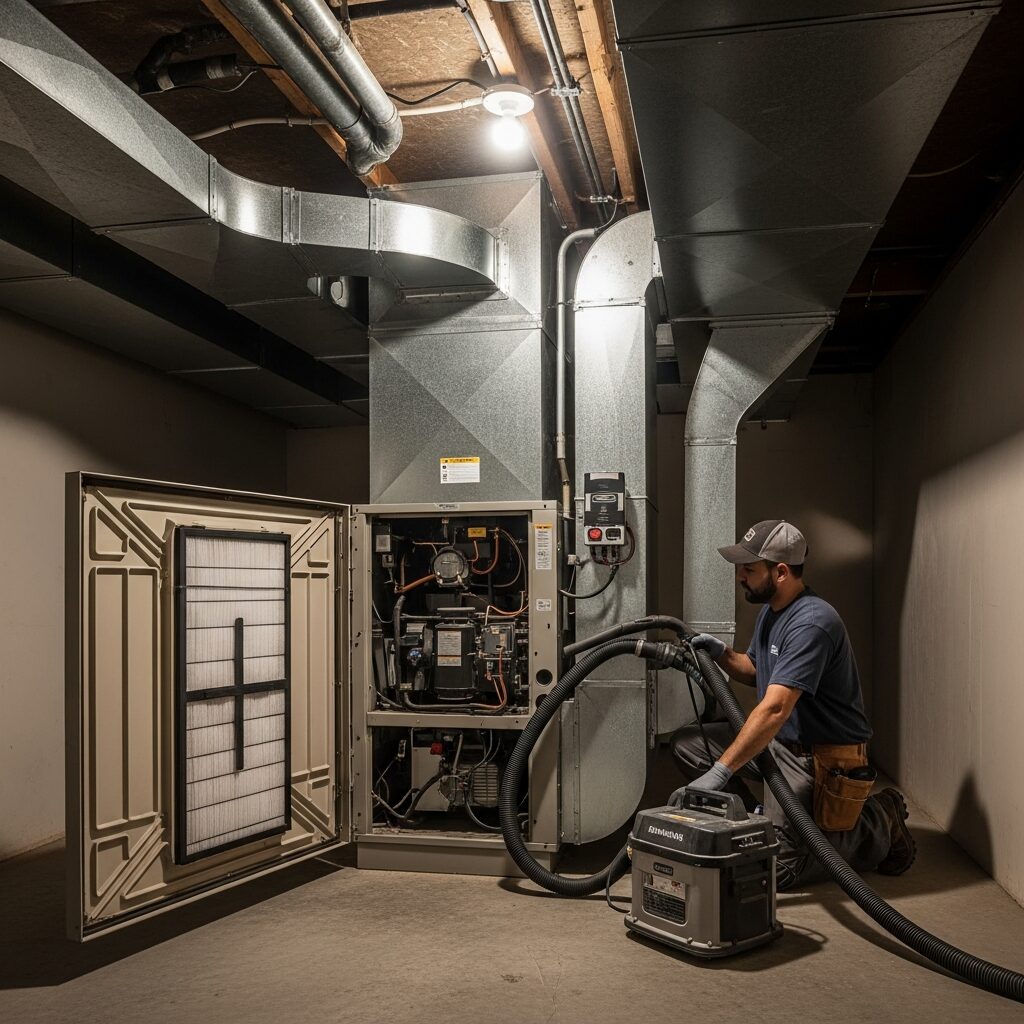
How HVAC Duct Cleaning Fits Into Home Comfort in Sherman Oaks
When you live in Sherman Oaks, HVAC isn’t a luxury—it’s the backbone of comfort through long warm months and those occasional cooler stretches when you still want a cozy home in the evening. Your HVAC system doesn’t just cool or heat air; it moves air. Every time it cycles, it pulls household air through returns, passes it through filtration, and sends it back through supply ducts. Over years of that daily movement, the ductwork becomes a quiet record of the home’s life: dust, fibers, pet dander, and the fine particles that are simply part of living in the Valley.
HVAC air duct cleaning services for homes are designed to restore that air pathway. It’s not about a quick wipe of vent covers; it’s about cleaning the internal network that your system depends on to deliver consistent airflow. Homeowners often begin their search by reading about air duct cleaning and trying to understand what’s included, what’s optional, and what a thorough job should feel like afterward. That curiosity is a good thing, because duct cleaning is one of those services where knowing the basics helps you choose well.
This guide connects duct cleaning to the HVAC system as a whole, explains why returns and trunks matter, and offers practical context for Sherman Oaks homes where attic ductwork, renovations, and heavy seasonal use are common.
Understanding the HVAC Air Path: Supply, Return, and the Hidden Middle
Your HVAC system has two main air highways: supply ducts that deliver conditioned air to rooms, and return ducts that bring air back to the system to be conditioned again. Between these points are trunk lines, transitions, and plenums—spaces where dust can settle and where odors can linger if debris has built up over time.
Because returns pull large volumes of air, they tend to accumulate more debris than supply lines. That’s not a flaw; it’s simply the nature of the system. The return is where your household air enters the HVAC cycle. If filters are well-fitted and changed regularly, much of that dust is captured. If filters are loose, overdue, or not seated properly, some dust bypasses filtration and settles deeper into the system.
The “hidden middle” matters, too. Trunk lines and return cavities can collect material that doesn’t show up at the register. Homeowners sometimes remove a vent cover, see a light film of dust, and assume everything is fine. But the heaviest buildup can be farther inside, especially near the air handler where airflow patterns change and particles can drop out of the stream.
Why Sherman Oaks Homes Often Need HVAC-Focused Duct Cleaning
Sherman Oaks has a few characteristics that influence duct conditions. One is consistent HVAC use. Long cooling seasons mean long periods of airflow, and airflow is what carries particulate into returns and through the system. Another is remodeling. This neighborhood has plenty of homes that have been updated over time, and remodeling dust—especially drywall dust—can be incredibly persistent if it enters the duct network.
Attic environments also matter. Many local homes have ductwork routed through attics that experience extreme heat. Over time, temperature swings and foot traffic in attics can disturb insulation and dust, and if duct joints or seams are leaky, the system can pull in attic air along with its fine particulate. Duct cleaning can remove what’s already inside, but it also highlights why sealing and filter fit are essential to keeping things clean afterward.
Finally, indoor-outdoor living is part of the Sherman Oaks lifestyle. Open doors, backyard gatherings, pets moving in and out—all of it contributes to the dust load the return system has to manage.
What HVAC Air Duct Cleaning Services Typically Address
HVAC-focused duct cleaning is a system service, not a single-room service. A thorough visit should include cleaning supply and return ductwork, addressing the main trunk lines, and cleaning registers and grilles. Many reputable providers also pay attention to accessible components near the air handler, where dust can accumulate if there has been filter bypass or long periods without maintenance.
The most important element is controlled debris removal. Professional equipment maintains negative pressure so that when debris is loosened, it is captured rather than dispersed into the home. This is particularly important in occupied homes where you don’t want a service intended to improve cleanliness to create a dust event.
In practice, a good job feels organized. Technicians move deliberately from room to room, keeping access points clean, protecting flooring, and communicating what they’re doing. If they find a disconnected duct, a crushed flex run, or a return cavity filled with debris, that finding should be explained clearly, because cleaning alone won’t correct a structural duct problem.
Midway Insight: How to Tell Whether the HVAC System Is the Source of Dust
Homeowners often ask a reasonable question: “Is the HVAC actually causing my dust problem, or is it just life?” The answer is usually a mix. Homes create dust no matter what. But certain patterns hint that the HVAC system is contributing. If you notice a puff of dust when the system turns on after being off for a while, that can suggest loose debris near supply registers. If dust collects quickly near returns, that can indicate high particulate load and possibly filter bypass. If an odor appears primarily when air starts moving, that points to something in the HVAC air path.
These observations don’t diagnose everything, but they guide the conversation. Reviewing a clear explanation of air duct cleaning can help you map what you’re noticing to the parts of the system most likely involved. When you can describe symptoms in a system-based way—return-related dust, startup odor, post-remodel particulate—professionals can tailor the service to what your home actually needs.
It’s also helpful to remember that duct cleaning is most effective when paired with good filtration and a check for leaks. If your ducts are drawing dusty attic air, cleaning will help, but the benefit may fade faster unless the leak is addressed.
After Cleaning: Maintaining a Cleaner HVAC System
Once ductwork has been cleaned, your next goal is to keep it from re-accumulating quickly. In Sherman Oaks, where systems run frequently, filters are your first line of defense. The best filter in the world won’t help if it doesn’t fit tightly. Gaps around the filter allow air to bypass, carrying dust straight into the blower area and beyond. Making sure the filter is properly seated and replaced on a consistent schedule is one of the simplest ways to protect your investment in a cleaning.
Return grilles should also remain unobstructed. In many homes, furniture placement evolves, and a return can end up partially blocked. That restriction can change airflow patterns and increase dust accumulation in certain areas. Keeping returns clear helps the system “breathe” and reduces turbulence that can stir up settled debris.
Finally, consider the role of duct sealing and overall HVAC maintenance. If you suspect ducts are leaky, especially in the attic, having them evaluated can prevent dusty air from entering the system. Duct cleaning removes what’s there; sealing helps keep new debris out.
FAQ: HVAC Air Duct Cleaning for Homes
Q: Is HVAC duct cleaning the same as a regular HVAC tune-up?
A: No. A tune-up focuses on the mechanical performance of the HVAC unit, while duct cleaning focuses on the cleanliness of the air pathways. They complement each other, but they are not the same service.
Q: Do returns need cleaning more than supplies?
A: Returns often accumulate more debris because they pull household air into the system. A thorough cleaning should address both, but returns are commonly a priority area.
Q: Can duct cleaning improve airflow?
A: It can if debris buildup was restricting airflow in certain duct sections. However, airflow problems can also be caused by duct design, balancing issues, or damaged ducts, so cleaning isn’t a guaranteed fix for every airflow complaint.
Q: What if I’m worried about odors when the AC turns on?
A: If the odor is tied to dust or debris in the HVAC pathway, cleaning can help. If moisture is involved, the source of moisture needs to be corrected first, because cleaning alone won’t stop odors from returning.
Q: How can I keep ducts cleaner after service?
A: Maintain a consistent filter change routine, ensure filters fit properly, keep returns unblocked, and consider checking for duct leaks—especially in attic ductwork common in Sherman Oaks homes.
Schedule Service That Treats Your HVAC System as a Whole
HVAC air duct cleaning services are most valuable when they’re approached as part of whole-home comfort. Your ductwork is the delivery system for the air you breathe every day, and in a Sherman Oaks climate that demands frequent HVAC use, keeping that pathway clean can make the house feel fresher and more stable when the system cycles on. The best results come from thorough cleaning, careful containment, and a plan to maintain filtration and address leaks if they exist.
If you’re ready to restore the cleanliness of your system’s air pathway, schedule a complete air duct cleaning and ask for a scope that includes both supply and return lines, with attention to the trunk lines that tie everything together. A clean air path, paired with good filter habits, is one of the most practical ways to support comfort in every room.