
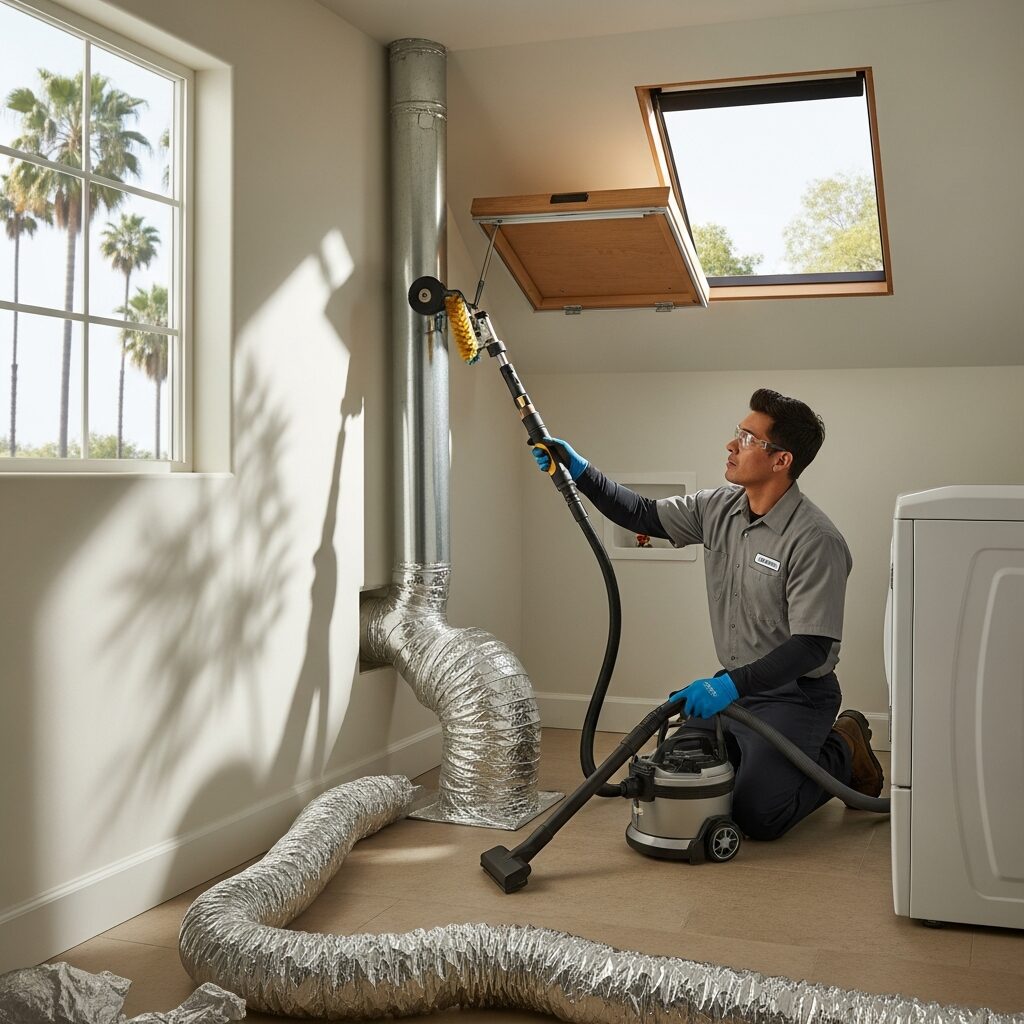
Understanding Dryer Vent Cleaning in Sherman Oaks
If you live in Sherman Oaks, you already know how quickly the rhythm of valley life can blur the line between what needs attention now and what can wait until later. Dryer vent cleaning is one of those quiet home maintenance items that rarely sings for attention—until it does. Between our warm, dry summers, the periodic Santa Ana winds, and a wide variety of home styles tucked between Ventura Boulevard and the hills, lint build-up can move from a minor nuisance to a real concern faster than many people realize.
When neighbors ask for local guidance, the conversation usually begins with why this service matters to comfort, safety, and the long-term health of your laundry appliances. It also turns to what shapes the scope of the work in a typical Sherman Oaks home—vent length, number of bends, roof or wall termination, and how accessible everything is from inside and outside. If you are simply starting to learn what a thorough visit entails, there is no better primer than speaking with a trained local team that specializes in dryer vent cleaning and understands the nuances of our neighborhoods and building stock.
What Makes Sherman Oaks Unique
Unlike communities with more uniform construction, Sherman Oaks makes things interesting. We have mid-century ranch homes where the dryer sits against an exterior wall and vents straight out. We have hillside properties with laundry rooms tucked deep inside the floorplan and long vent runs that weave through attics or crawlspaces. We have garden-style apartment buildings along Ventura, condo complexes with shared shafts, and ADUs squeezed into backyards. Each scenario influences how a professional approaches the work, what access points will be needed, and how to keep lint contained during the process.
Our microclimate adds another layer. The valley heat encourages more frequent laundry cycles in summer, which means more lint production. Wind events can push dust and debris toward exterior terminations, especially roof caps and wall hoods that lack robust bird or pest guards. After a wet winter, you might even see vegetation growth and increased humidity around exterior terminations, encouraging lint to clump more stubbornly. All of this means that a simple, one-size-fits-all approach rarely meets the mark in Sherman Oaks.
How Lint Builds Up and Why Airflow Matters
Inside the vent, moist, warm air from the dryer pushes lint outward. Wherever the airflow slows—at a bend, a crimped section, or a rough interior seam—lint settles and starts to collect. Over time, these small collections become denser and more resistant, forcing the dryer to run hotter and longer to move the same amount of air. That leads to longer dry times, a toasty laundry room, and the sense that your machine is working harder than it should.
In the most common Sherman Oaks layouts, two or three 90-degree turns are normal, and each turn is a prime spot for build-up. If your vent terminates on the roof, the final cap can also be a choke point, particularly if the damper sticks, the screen is clogged, or wind has pushed in leaves and dust. A trained technician will look closely at these restrictions and the transitions behind the dryer, where crushed flex hose is notorious for choking off airflow.
What Shapes the Scope of Work
Several elements influence how a technician plans and completes a thorough cleaning. The overall length of the vent, the number of bends, and the material of the duct all matter. Smooth interior metal ducts are ideal; older or improvised materials can be less forgiving. Access is another factor. Can we safely reach the termination from the ground? Do we need to access a rooftop? Is there a crawlspace or attic run? Multi-unit buildings require coordination with property managers and a careful approach to shared shafts and fire barriers.
Another consideration is what has been happening inside the duct over the last year or two. Heavy laundry use or a recent stretch of line-drying-free laundry during a remodel can leave more lint than expected. In some homes, we find evidence of birds or rodents nesting near the termination. And in the aftermath of windy periods, exterior caps sometimes hold a surprising amount of dust that stubbornly binds with lint just inside the hood. These conditions shape the method, tools, and time needed to restore safe, efficient airflow.
Inside a Professional Visit
During a standard appointment in Sherman Oaks, the process usually begins with a survey of the laundry area and the route of the vent. A pro will gently pull the dryer forward, check the transition connection, and inspect for crimps, kinks, or combustible materials that should be updated. From there, they will determine the best direction to clean—sometimes from inside to outside, sometimes the reverse, and often both to ensure the best result. They may use rotary brushing systems, compressed air tools, and HEPA-filtered collection to capture debris without coating your laundry room in lint dust.
At the termination, the technician will verify that the damper moves freely and that any protection screen allows clear egress of air. When the cleaning is complete, airflow is tested and the dryer is run to confirm temperatures and vent velocity are within a healthy range. Finally, professional-grade connection materials—metal transitions and proper fasteners—are verified or installed to avoid the common pitfall of a crushed, plastic flex hose that undermines everything that was just accomplished.
Common Sherman Oaks Home Layouts and Considerations
In single-story ranch homes near Chandler Estates, the vent often runs out the side yard. These are ideal for quick access and straightforward brushing. In hillside streets near the canyons, we frequently see roof terminations and attic runs that require specialized ladders and careful roof safety protocols. In condo buildings, code considerations for shared shafts and fire separations come into play, and the work is coordinated to respect neighbors and building rules. Each scenario benefits from a technician who not only brings the right tools but also knows where the surprises tend to hide in Sherman Oaks housing.
Another local quirk is parking and access. On busy stretches near Ventura Boulevard, alley access might be the best path to an exterior wall hood. Gated properties and steep driveways demand planning as well. These logistics may sound minor, but they impact setup time and the sequence of the cleaning process, especially when collecting lint from both the interior and exterior sides.
Mid-Project Insights That Matter
One of the best times to learn about your vent system is in the middle of the appointment. When the vent is partially cleared, technicians can often observe the interior surface of the duct with a camera to verify it is continuous, smooth-walled metal and not an improvised section that could snag lint. This is also when airflow readings begin to improve, confirming the direction is correct and that no hidden disconnections exist behind the walls. If you want to understand the health of your dryer setup, ask for a quick walk-through at this point. It is an ideal moment for a homeowner to see firsthand why dryer vent cleaning is about more than just brushing out fluff—it is about ensuring a safe, efficient pathway for warm air to exit your home.
Signals Your Vent Needs Attention
While no single symptom tells the whole story, a chorus of small signs usually adds up: loads taking longer than they used to, especially towels and heavy cotton; a laundry room that feels hotter or more humid after a cycle; a faint, persistent lint smell; or the exterior hood damper barely fluttering while the dryer is running. If you notice your dryer automatically shutting off early or tripping safety features, it is time to have things checked. These indicators are not unique to Sherman Oaks, but our warmer climate can intensify them.
Another cue comes from the outside. If you can reach the termination safely, take a quick look while the dryer is running. The damper should open readily, and you should feel a strong, warm flow. If air is weak or the damper only twitches, you likely have a restriction upstream. That is a common pattern in older homes where elbows inside walls and tight laundry closet spaces crimp the transition hose behind the appliance.
Why DIY Kits Often Fall Short
Hardware store brush kits promise quick results, but they can leave the most stubborn lint in place, especially at elbows and terminations. Worse, if the rods are over-torqued with a drill, they can disconnect in the duct and become an obstruction themselves. In older ducts with screw fasteners poking into the airstream, a bristle can snag and the rod can jam. Professional-grade tools and experience mitigate these risks, and technicians know how to capture loosened debris so it does not end up in your laundry room or stranded at a roof cap.
Another pitfall is the transition hose behind the dryer. Even if you manage to clear the main line, pushing the dryer back can crush a thin, flexible connector, erasing the gains you just made. A trained technician will measure and fit a rigid or semi-rigid metal transition at the correct length and angle so the dryer can slide back smoothly without kinking the airflow.
Long-Term Benefits and Peace of Mind
The tangible benefits of a well-maintained vent are easy to feel: faster dry times, a cooler laundry room, and a dryer that does not have to work as hard. Over time, protecting the machine from excessive heat and strain can extend its useful life. Most importantly, clear vents reduce the risk associated with lint accumulation. In a community like ours, where landscaping dries quickly in summer and homes sit close together on some blocks, taking simple, proactive steps toward safety is a wise habit.
It is also satisfying to know the hidden parts of your home are in good shape. Just as clearing gutters before the first autumn storm saves headaches, keeping the vent pathway open saves time and worry. Once you have a reliable baseline, staying on top of maintenance becomes simple—especially when timed with seasonal chores you already do around the house.
How Often Should You Book an Appointment
Frequency depends on how you use your laundry, the layout of your vent, and local conditions. Larger households that run the dryer daily should plan more frequent check-ins. Homes with long or winding vent paths benefit from regular attention as well. Properties near the hills, where wind pushes dust against terminations, may also need more frequent service. Light-use homes can go longer, provided there are no changes to airflow or drying time. The surest guide is your dryer’s performance and a professional’s recommendation based on your specific layout.
In multi-unit buildings, coordinating maintenance helps keep the whole system healthy. When one residence clears its portion of a shared route and another does not, lint can migrate or settle unpredictably. Building-wide scheduling ensures consistent airflow and safer performance for everyone.
Choosing a Local Expert
When you reach out to a local provider, look for someone who is familiar with Sherman Oaks’ range of home styles and has the right equipment for interior and exterior access. Polished communication, respect for your property, and a tidy, contained process go a long way. Ask how they confirm results—airflow measurements and a quick, post-service walkthrough are good signs that the work is thorough and transparent.
Finally, remember that you are not just clearing a tube—you are restoring a system that quietly handles heat, humidity, and lint every time you do laundry. Partnering with a professional who prioritizes safety, cleanliness, and clear communication will make the experience smooth from start to finish.
FAQ: Dryer Vent Cleaning in Sherman Oaks
Q: How do I know my dryer vent needs attention?
A: Watch for longer dry times, a hotter laundry room, or a weak flow of air at the exterior hood while the dryer runs. These are common signals in Sherman Oaks homes.
Q: Is roof access always required?
A: Not always. Many vents terminate on exterior walls. When a roof cap is involved, trained technicians use proper safety gear and confirm the cap and damper are working freely.
Q: Can I handle the work with a store-bought brush?
A: Light build-up might loosen, but elbows, long runs, and roof terminations are easy to miss. Professionals use specialized tools and capture methods to ensure a thorough, contained result.
Q: Will the technician move my dryer?
A: Yes, in most cases. Pulling the dryer forward allows inspection and a properly fitted metal transition connection to protect airflow when the machine is pushed back.
Q: How long does a typical appointment take?
A: Timing varies with layout, access, and how much lint is present. A local professional can explain the process for your specific home and provide a clear plan before work begins.
Q: What if my building has shared vent routes?
A: Coordination is key. In multi-unit properties, scheduling together ensures safe, consistent airflow through common pathways and reduces surprises.
Ready for Safer, Smoother Laundry Days
If your laundry has been running longer than you remember, or if you simply want the confidence that everything is working the way it should, now is the time to act. Connect with a Sherman Oaks team that treats your home with care and knows our local building styles inside and out. Start by reaching out to trusted pros in dryer vent cleaning, and enjoy faster cycles, cooler laundry rooms, and peace of mind with every load.