
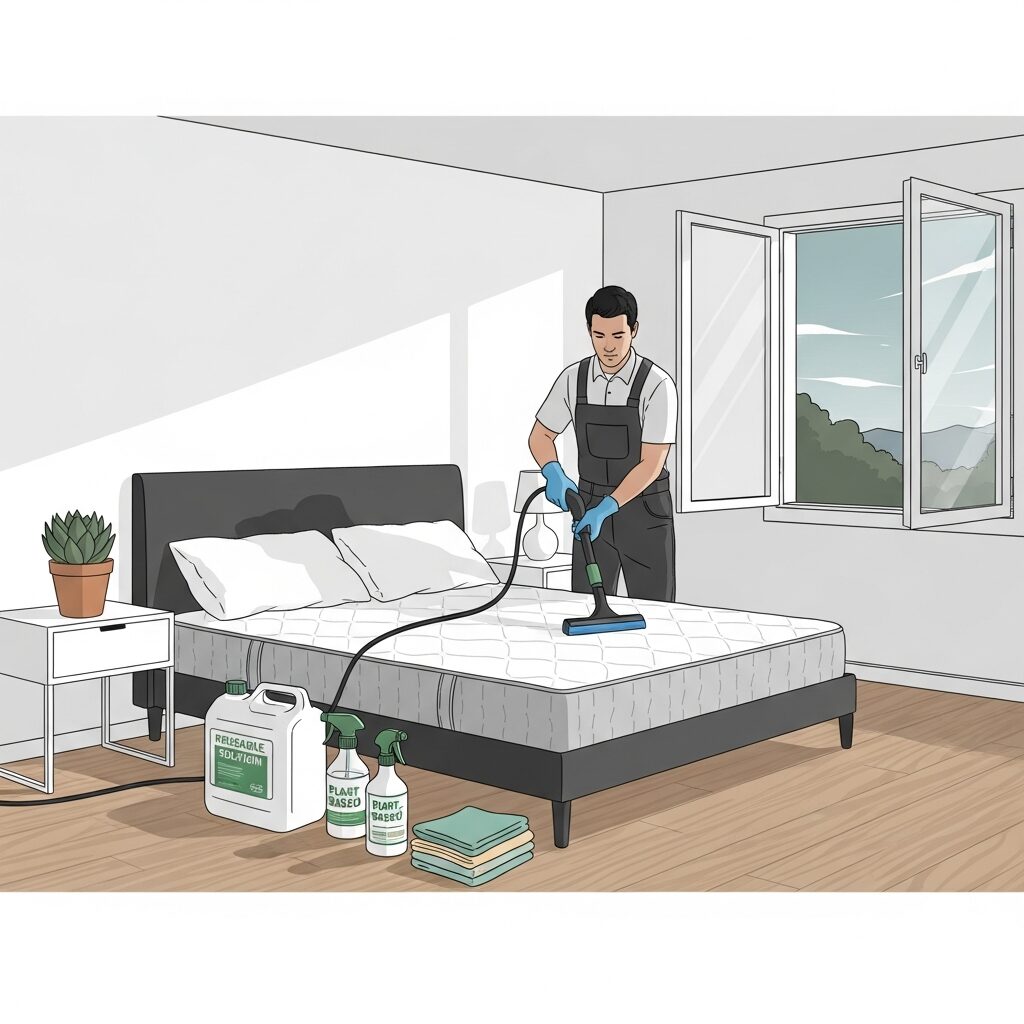
In Sherman Oaks, environmental mindfulness is not a trend; it is a neighborhood ethic. From reusable market bags along Ventura Boulevard to drought-wise landscaping near Chandler Estates, we take pride in choices that honor both comfort and conservation. That same sensibility is reshaping how we care for the most intimate surface in our homes: the bed. Today’s eco-forward approach to professional mattress cleaning blends health, sustainability, and practical performance, giving Sherman Oaks residents a way to sleep cleaner while treading more lightly.
From harsh to thoughtful: The product evolution
Not long ago, cleaning chemistry favored sheer force: heavy fragrances, strong solvents, and foaming agents that left mattresses smelling “done” but wearing a film. The modern shift is toward plant-derived surfactants, biodegradable rinses, and low-VOC formulations that break soils free without layering on residues. For sensitive sleepers, the difference is immediate—cleaner air, calmer skin, and none of the perfume haze that once lingered for days. These products are designed to rinse away efficiently, which means less water needed and fewer re-soiling cycles that require repeat treatments.
Low-moisture methods fit the Valley
Sherman Oaks is no stranger to drought advisories and water-awareness campaigns. In response, mattress cleaning has moved to techniques that prioritize low-moisture application paired with strong extraction. By targeting only the zones that need rinsing and minimizing total water used, technicians preserve materials and speed drying, even in cooler winter mornings when evaporation slows. The combination respects both our local climate realities and the structural needs of modern foams and quilting.
Fragrance-free is the new luxury
Valley residents increasingly equate luxury with air that smells like nothing at all. Fragrance-free or hypoallergenic finishing has become a default request in Sherman Oaks homes where families balance wellness goals with busy lives. Removing odor sources instead of masking them aligns with green principles by reducing unnecessary chemical loads. The room breathes better, and the mattress feels truly neutral—an invitation to rest rather than another sensory input your body has to process.
Energy-smart equipment and smarter routes
Sustainability is not just about solutions; it is also about the systems that deliver them. Newer extraction units draw less power while delivering high airflow, and technicians plan routes to minimize idling on the 101 or 405. Fewer stops-and-starts mean a smaller carbon footprint for the same volume of work. Simple choices—like reusable corner guards, washable pads, and durable tools—replace disposable plastics that used to pile up in service vans.
Water stewardship and quick-dry discipline
Eco-friendly cleaning respects water at every step. Targeted pre-treatments limit the need for broad rinsing, and advanced wands recover moisture efficiently so the mattress is left damp, not wet. Where appropriate, technicians use directed air movement rather than energy-heavy heat to complete drying. For Sherman Oaks homeowners who monitor utilities and care about drought resilience, these practices turn into tangible reductions without compromising hygiene.
Indoor air quality as a green priority
A greener clean is not just for the planet; it is also for your lungs. Removing sticky residues leads to fewer particulates clinging to the surface and becoming airborne at night. Low-VOC chemistries reduce chemical loading in small bedrooms where ventilation varies. The goal is a mattress that does not compete with your respiratory system, allowing deep rest without the chemical cloud that once passed for “fresh.”
Material-aware approaches
Modern mattresses blend gels, memory foams, latex, and intricate quilting—each with its own strengths. Eco-oriented providers in Sherman Oaks evaluate construction before selecting solutions so foams do not swell, adhesives are not softened, and fabrics maintain hand and color. Gentle, biodegradable surfactants can still be highly effective when they are matched to soils and carefully rinsed, and they support the longevity of premium beds that households invest in for the long term.
Local realities: Pollen, dust, and the marine layer
Our microclimate designs the cleaning playbook. Santa Ana winds deposit fine dust that works into seams; spring pollen settles invisibly on pillow tops; cool mornings invite a whisper of moisture that can linger at the head of the bed. Green cleaning in Sherman Oaks means accounting for all three: stronger dry soil removal to cut down on airborne particulates, selective rinsing to dislodge oils that hold allergens, and disciplined drying to avoid mustiness. When the process is tuned to our neighborhood’s rhythm, results last longer and require fewer interventions.
Closed-loop thinking: Reuse and recycle
Inside the service process, waste reduction matters. Refillable solution containers, washable applicators, and microfiber cloths that stand up to hundreds of laundering cycles all reduce the footprint of a cleaning visit. Even small operational choices—like consolidating appointments by neighborhood—add up by cutting drive time and fuel. Sustainability is rarely one big move; it is many small ones accepted as standard practice.
What homeowners notice
The immediate experience of eco-forward cleaning is quieter, calmer, and more transparent. Rooms do not broadcast that a service just occurred. The mattress feels neutral and open, and there is no pressure to mask anything with candles or sprays. Over months, you see less dust clinging to surfaces, fewer odor comebacks during heat waves, and easier sleep as the bedroom becomes a low-input, low-irritant space. The payoff is both personal and planetary.
DIY, refined
Green living celebrates smart maintenance. In Sherman Oaks, that means gentle vacuuming with a clean upholstery tool, breathable protectors laundered often, and timing bed-making so residual humidity can dissipate. Avoid heavy home sprays or powders that cling and then require more aggressive removal later. Keep windows open for evening breezes when pollen is low, and close them ahead of bedtime on high-count days. The point is to prevent buildup so professional visits can be lighter and less frequent—an unmistakably eco-friendly outcome.
Transparency and trust
Residents increasingly ask for product sheets, VOC information, and explanations of disposal practices. Good providers welcome those conversations. They will outline why a particular solution works on body oils, how extraction limits water use, and what steps ensure that the mattress is dry before the sheets go back on. This openness is part of the green shift: sustainability thrives in daylight.
Performance without compromise
Eco-friendly once meant “less effective.” Not anymore. The best plant-based surfactants are superb at loosening oily films that trap dust, and modern rinsing techniques remove more with less. Careful drying accelerates the return to use, often the same day. For busy Sherman Oaks households where the bed is needed every night without fail, these improvements matter as much as the environmental wins.
What about sensitive sleepers and kids
Fragrance-free, residue-light cleaning is a gift to sensitive systems. Children who spend more hours in bed napping or reading benefit from a sleeping surface with a minimal chemical profile. Adults managing asthma or fragrance sensitivity can rest easier without the competing signals that heavy scents produce. In homes across the Valley, that calm air changes the feeling of bedtime entirely.
Scheduling with the seasons
A green mindset pairs well with local timing. Many homeowners choose a late-spring cleaning to clear the pollen surge and a late-summer visit to reset after the hottest weeks. If pets share the bed or if windows are open nightly, increase frequency. The goal is to intervene just enough—and no more—so cleanliness and sustainability rise together.
The middle-mile link between wellness and sustainability
What we do for the environment often echoes back as personal wellness. Reducing chemical complexity in the bedroom tones down sensory load. Conserving water and energy often means drier, quicker-return mattresses, which are also less prone to mustiness. Streamlined routes cut emissions and help technicians arrive fresher and more focused. The system works better when every part is considered, and your sleep becomes the quiet beneficiary. In this spirit, a midyear appointment that includes a thorough, eco-minded mattress cleaning can keep your home’s sanctuary in balance.
Sherman Oaks as a model neighborhood
Our community’s combination of environmental awareness and practical sensibility makes us a natural laboratory for greener services. Neighbors swap recommendations, ask direct questions, and expect transparency. Providers who thrive here do so by aligning with those values. They protect your investment in quality bedding and the planet that cradles our canyon-lined streets.
What if my mattress is older
Eco-friendly does not mean fragile. Older beds can respond beautifully to gentle, smart cleaning that removes residues and mitigates odors without soaking or harsh additives. Your technician will gauge the mattress’s condition and adapt the approach. Many homeowners are pleasantly surprised to discover that a greener method can still produce a dramatic refresh, extending useful life and avoiding premature replacement.
Future-forward: Where trends are heading
Expect continued movement toward closed-loop water systems on trucks, ever-lower VOC profiles, and data-backed drying metrics that verify when a mattress is truly ready. You will also see more service models that consolidate neighborhood appointments to reduce travel and carbon. In time, the green option will simply be the standard one, with performance measured not only by appearance but by the health of the room and the footprint left behind.
How often should I schedule eco-friendly mattress cleaning?
For many Sherman Oaks homes, once per year is a balanced baseline. If you have pets, open windows frequently, or manage allergies, a six- to nine-month cadence maintains a low-irritant environment. Align timing with local pollen and heat cycles for best results.
Are plant-based solutions as effective as traditional ones?
Yes, when matched to the soil type and properly rinsed. Modern biodegradable surfactants excel at loosening body oils and residues that hold dust and odors. Performance comes from smart chemistry and disciplined technique rather than brute force.
Will eco-friendly cleaning leave a scent?
It should not. Many households prefer a truly neutral finish. Any light, clean note after service fades quickly as the mattress dries and room air circulates. Persistent fragrance is usually a sign of unnecessary additives.
Can low-moisture methods sanitize effectively?
The objective is hygienic cleaning, not saturation. Low-moisture paired with strong extraction and targeted treatments removes the sources of odors and irritants while respecting materials. The result is a cleaner, drier mattress ready for use the same day in most cases.
What can I do between visits to keep things green?
Use breathable protectors, launder bedding regularly, and manage bedroom humidity. Avoid heavy powders or sprays that add chemical load and require more aggressive removal later. Gentle vacuuming with a clean tool and smart window timing go a long way.
If you want a bedroom that feels lighter on your lungs and lighter on the planet, choose service approaches that reflect Sherman Oaks values—clear air, careful water use, and honest performance. When it is time to refresh your sleep space, schedule your next eco-friendly mattress cleaning and rest knowing your choices are as gentle on the earth as they are on you.