
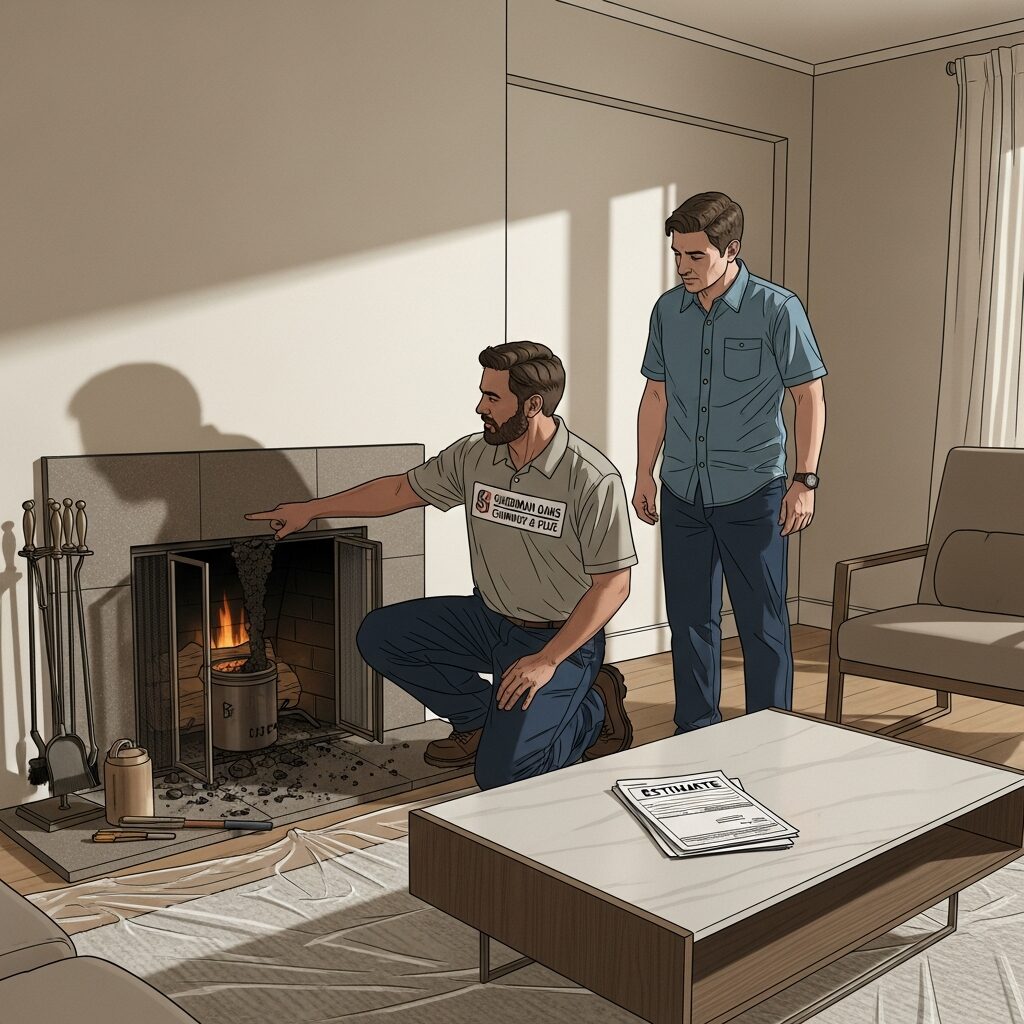
When neighbors in Sherman Oaks ask how much chimney cleaning typically runs, they are really asking a deeper question: what will my specific home, usage, and setup require for a thorough, safe result? It is a fair question in a part of Los Angeles where a midcentury Ranch on the flats sits just a few blocks from a steeply perched contemporary with a soaring roofline. While no two chimneys tell the exact same story, the elements that guide the scope of work are consistent. Understanding those elements turns a vague estimate into a clear expectation, and it gives you the confidence to plan your hearth season without surprises.
Let us begin by framing what “chimney cleaning” means in practical terms. A standard service addresses soot and creosote accumulation in the flue, clears obstructions, checks the damper and firebox, and verifies that the cap and crown are doing their jobs. In many Sherman Oaks homes, that is a straightforward process. In others, the appointment evolves as the technician discovers heavier buildup, tricky access, or signs that a closer camera-assisted look would be wise. If you are starting research today, you will notice that many residents anchor their search for dependable chimney cleaning in recommendations from neighbors who own similar homes or navigate similar rooflines.
Home architecture is the first major variable. A single-story home with a low-slope roof and clear ladder access presents a very different day at work than a hillside residence with multiple levels, limited staging space, or delicate landscaping around the exterior. Safety protocols scale accordingly. Responsible companies build that safety into their appointments: tie-offs on steep pitches, roof pads to protect shingles or tiles, and an extra set of hands when a long ladder must be moved several times. The time devoted to setting up and breaking down this protection is time well spent, and it shapes the rhythm of the visit.
Next, consider chimney type. Sherman Oaks features its share of classic masonry flues with clay tile liners, as well as factory-built metal systems enclosed in chases. Masonry systems may reveal minor mortar gaps or rough transitions in the smoke chamber that tend to trap residue. Metal systems behave differently, with termination caps and chase covers subject to heat and sun cycles that can lead to warping or fastener fatigue. Technicians tailor their tools to the system they encounter, alternating between different brush heads, rods, and gentle cleaning solutions as needed. Those minute choices add up to a thorough, gentle clean that respects the materials in your home.
Frequency and style of use matter just as much. Weekend fires with seasoned hardwoods burn cleaner than frequent low, smoldering burns. If your routine leans toward ambiance rather than heat output, deposits may be stickier and more stubborn, which naturally takes longer to remove. On the other hand, enthusiastic winter use can leave plenty of powdery soot to capture, even when the fires are hot and efficient. Either way, a technician will adjust technique to the residue at hand, and they should explain what they find so you can plan your next visit thoughtfully.
Local environment also plays a part. After a windy night, ash and fine debris can settle in unexpected places. Homes nestled beneath mature trees near Valley Vista or near the grid of streets north of the boulevard may see leaf litter gather at caps. We even find the occasional bird’s nest, especially in the shoulder season when fireplaces sit idle. Removing these obstructions is not glamorous work, but it is vital for proper draft. The technician’s time on the roof checking caps, crowns, and flashing pays dividends once the first fire of the season draws beautifully rather than backing a whisper of smoke into the room.
Inside the home, protection and cleanliness deserve their own spotlight. A conscientious crew arrives with floor coverings, hearth containment, and HEPA filtration to keep soot from migrating through the house. That setup takes a few extra minutes, but it transforms the experience. When the brushing begins, the vacuum is already capturing particulates, and the living room feels as calm as it did before the ladders went up. For homes with light-colored furnishings or delicate rugs, this attention to detail is especially welcome. You will know you chose well when the only evidence of the visit is the ease of your next fire.
Older chimneys often write a different sort of chapter. Homes that have enjoyed decades of holiday fires may show smoke chamber roughness, flue tile chips, or crown wear that lets water sneak in during heavy rain. None of these observations are cause for alarm when caught early, but they are important to document. Many technicians now capture clear photos as they work, saving images to a digital report you can reference later. Beyond the immediate cleaning, that report is valuable history—if you ever remodel, sell, or simply plan for future maintenance, it tells the story of your system with dates and visuals instead of vague recollections.
The question of timing is another reliable influence. Sherman Oaks calendars tend to crowd in late fall as cooler evenings inspire us to gather around the hearth. Booking ahead gives you better options, especially if you prefer morning appointments or need a weekend. If you wait until the first big rain or an upcoming party nudges you to schedule, you may still be in great shape, but flexibility helps. Think of it this way: the earlier you make room for your chimney, the more it makes room for your holidays.
In terms of what technicians actually do on the roof, expect a methodical walk-around that pays attention to details most homeowners glance past. Is the crown shedding water? Does the cap sit square with intact mesh? Are there hairline cracks telegraphing through stucco around the chase? Does flashing lie tight to roofing materials with clean sealant? Answers to these questions guide recommendations, and they protect not only the chimney but also nearby materials like sheathing and fascia. Stopping minor water intrusion is one of the least dramatic and most valuable outcomes of a well-timed visit.
Inside the flue, the condition of creosote can change the pace of the appointment dramatically. Light, flaky deposits respond readily to traditional sweeping. Heavier, glazed accumulations need patience and specialized heads to break their grip. Your technician should explain the difference and set expectations clearly. This is where professional training shows: knowing how to work thoroughly without damaging liners, tiles, or joints requires a practiced touch and a willingness to pause and explain before proceeding.
Homeowners sometimes ask whether infrequent fireplace use means they can go longer between visits. In reality, occasional use can produce a different pattern of deposits—especially sticky residue from cool burns—that merits attention even if the chimney has not seen many fires. The point is not to service on a rigid timetable, but to calibrate the interval to your habits. A quick conversation at the end of the appointment is often all it takes to set a practical cadence for the seasons ahead.
Ventless log sets and gas fireplaces invite a slightly different conversation. While they do not create the same soot profiles as wood-burning systems, they still require ventilation checks, cleaning around pilots, and confirmation that safety devices are functioning properly. Glass panels benefit from gentle, appropriate cleaning to avoid etching. Treat these services as part of the same seasonal routine so that every hearth in your home behaves predictably and safely.
For homeowners who share a flue across multiple fireplaces or have separate flues for different appliances, labeling and documentation become especially important. Technicians appreciate when dampers are identified and when previous reports or invoices are available. Even a short note about unusual draft behavior during last year’s wind events can be helpful. The more context your professional has, the more targeted and efficient their work will be, which in turn builds a reliable maintenance rhythm for your property.
As the appointment unfolds, do not hesitate to ask for a walk-through of findings. Good communication is part of the service. Clear explanations, a chance to see photos, and a friendly debrief empower you to decide on next steps. Whether the message is “you are in great shape” or “here are a few items to watch,” information is your best safeguard. It transforms an occasional service into a relationship with your home’s systems, and it helps you avoid last-minute scrambles when company is on the way.
Another local quirk is parking and access. On narrower hillside roads, technicians may need to stage gear thoughtfully or make an extra trip to the vehicle for tools to avoid blocking driveways. While it seems tangential, this dance of logistics is part of the day’s work, and teams that move with courtesy and care tend to bring the same attentiveness to the flue itself. You will feel it in the small touches: shoes covered without being asked, ladders padded where they touch paint, and a hearth left spotless.
If you have recently renovated, mention it at booking. New skylights, changed roof materials, or a modified living room layout can alter airflow and access. Likewise, earthquake retrofits in older homes sometimes shift clearances subtly. A heads-up helps the technician plan tools and time more accurately, and it ensures your updated space is respected during setup and cleanup.
When all is said and done, the true measure of value is how your fireplace behaves the next time you light it. A clean, responsive draft, no hint of smoke drifting into the room, a damper that moves as smoothly as a light switch—these details have a way of erasing the memory of ladders and vacuums. They also remind you why regular attention is such a smart habit in a neighborhood where we prize both comfort and curb appeal.
Finally, remember that your chimney’s story is unique. That is why estimates feel like moving targets until a professional lays eyes on the actual setup. The outcome you want is straightforward: a safe, clean chimney and a clear plan for keeping it that way. Once you frame the question in those terms, the path forward is simple—call, schedule, and partner with a technician who communicates well and treats your home like their own. If you are comparing options right now, reading up on respected chimney cleaning teams in the area can help you align expectations before anyone climbs a ladder.
Frequently Asked Questions
How do I know whether I need a simple sweep or something more detailed?
The answer lies in what the technician finds. Light, flaky residue and a well-behaved draft often point to a straightforward visit. Sticky or glazed deposits, signs of water intrusion, or unusual smoke behavior suggest additional steps. A clear explanation, often with photos, will make the path forward obvious.
What can I do to reduce buildup between appointments?
Burn seasoned, properly stored wood, open the damper fully, establish a good coal bed before dialing down the flames, and avoid burning trash or glossy paper. These small habits support cleaner combustion and reduce the stubborn residues that take longer to remove.
Is an inspection always included?
A basic inspection of accessible areas typically accompanies cleaning. In older homes, after seismic activity, or when performance issues arise, a camera-assisted inspection adds valuable detail. The goal is not to upsell but to document condition clearly so you can plan intelligently.
Does it make sense to schedule before the holidays?
Yes. Autumn appointments are popular in Sherman Oaks, and early booking gives you the pick of dates and times. You will step into the cooler months knowing your system is ready, and you will avoid the rush that follows the first significant rain.
What should I expect during the visit?
Careful setup to protect your home, a methodical roof and flue evaluation, tailored tools for the residue found, and a friendly debrief with photos or notes. When the technician leaves, your living room should look as tidy as before they arrived—except your hearth will be ready to perform.
Are gas fireplaces part of the same conversation?
They are. Gas systems produce different residues, but they still need ventilation checks and gentle cleaning around pilots and glass. Including them in your seasonal routine keeps every fireplace in your home safe and predictable.
Ready to light a fire with confidence?
If you would like a clear, friendly evaluation and a thorough cleaning tailored to your home, we are here to help. From the roofline to the hearth, we will cover every detail and leave you with an easy plan for the season ahead. When you are ready to book professional chimney cleaning, schedule a visit and enjoy that first crackle without a second thought.