
How Often Should You Clean Air Ducts in Sherman Oaks? It Depends on Real-Life Conditions
Sherman Oaks homeowners often want a simple schedule: “Every year,” “every few years,” or “only when there’s a problem.” The truth is that duct cleaning frequency isn’t a calendar rule so much as it is a response to what your home and HVAC system have been through. Our neighborhood’s mix of open-window evenings, warm-season HVAC use, pets, remodels, and nearby traffic corridors means that two households on the same street can need attention at completely different times. If you’re thinking about when to book air duct cleaning in Sherman Oaks, the best approach is to watch for practical signals and understand the scenarios that accelerate buildup.
Frequency conversations also tend to be influenced by peace of mind. Some people like the feeling of starting a season with a clean system. Others prefer to wait until there’s a reason. Both are valid—what matters is recognizing the difference between normal household dust and a duct system that has become a reservoir of debris.
The Baseline: Typical Households With Consistent Filter Changes
If you change filters regularly, keep the home reasonably clean, and haven’t had major renovations, your duct system may stay in decent shape for a long time. Filters do a lot of the daily work of capturing airborne particles before they move deeper into the system. In these households, duct cleaning frequency is usually driven by observation rather than routine. You might go years without feeling a need, especially if the HVAC system is well-sealed and the return pathways aren’t pulling in attic dust or wall cavity debris.
That said, “regular filters” doesn’t mean “nothing ever builds up.” Fine particles can still settle over time, and returns can collect lint and debris, particularly in homes with high foot traffic. The key is to avoid treating duct cleaning as either an annual requirement or something you never think about again.
When Sherman Oaks Homes Need More Frequent Attention
There are certain local realities that can shorten the interval. One is remodeling. Sherman Oaks has plenty of renovation activity, from single-room updates to full additions. Fine drywall dust and sawdust can travel quickly, and if the HVAC runs during the project, returns can draw that dust into the duct network. After a remodel, many homeowners choose to clean the ducts sooner, not because it’s mandatory, but because it’s one of the most effective ways to remove residual dust that keeps reappearing.
Another factor is pets. Homes with multiple pets, especially those that shed heavily, often see quicker buildup at returns and in areas where airflow is strong. You might notice return grilles collecting a visible layer of lint and hair. That can be a sign that the system is constantly pulling in more debris than a typical household.
Open-window living is also part of Sherman Oaks culture. Evening breezes feel great, but outdoor dust and pollen can enter and circulate. If you regularly ventilate this way, you may find that your home’s dust load is higher than in a tightly closed home. That doesn’t mean you should stop opening windows; it simply means you may want to watch duct conditions more closely over time.
Signs It Might Be Time, Regardless of the Calendar
Rather than relying on a strict timeline, I recommend paying attention to a few practical signs. If you notice puffs of dust when the HVAC starts, that can indicate debris near registers or in branch lines. If dust accumulates quickly on surfaces close to vents even after cleaning, the system may be contributing. A persistent musty or stale odor when the air turns on can also be a signal that something in the airflow pathway needs attention, though odors can come from multiple sources.
Another sign is a change after construction or an extended vacancy. Homes that have been vacant can develop settled dust patterns, and HVAC use after a vacancy can stir that dust. If you’ve moved into a new-to-you home, duct cleaning can be a way to establish a clean baseline, even if you don’t plan to do it frequently thereafter.
Midway Through Ownership: How to Set a Sensible Rhythm
For many Sherman Oaks households, the best rhythm is to think in seasons and life events rather than in strict intervals. After a major remodel, it’s reasonable to consider a cleaning once the dusty phase is truly over. If you adopt new pets, or if your household changes and the HVAC runs more often, it may be worth reassessing sooner. If nothing major changes and filter habits are solid, you can usually extend the time between cleanings comfortably.
This is where working with a provider who understands air duct cleaning as a whole-system service can help. A good company will talk to you about your home’s conditions and help you decide on a practical schedule without pushing you into unnecessary frequency. The goal is to clean when it’s beneficial, not to create a recurring appointment that doesn’t match your reality.
How Filter Choices and Return Grille Habits Affect Frequency
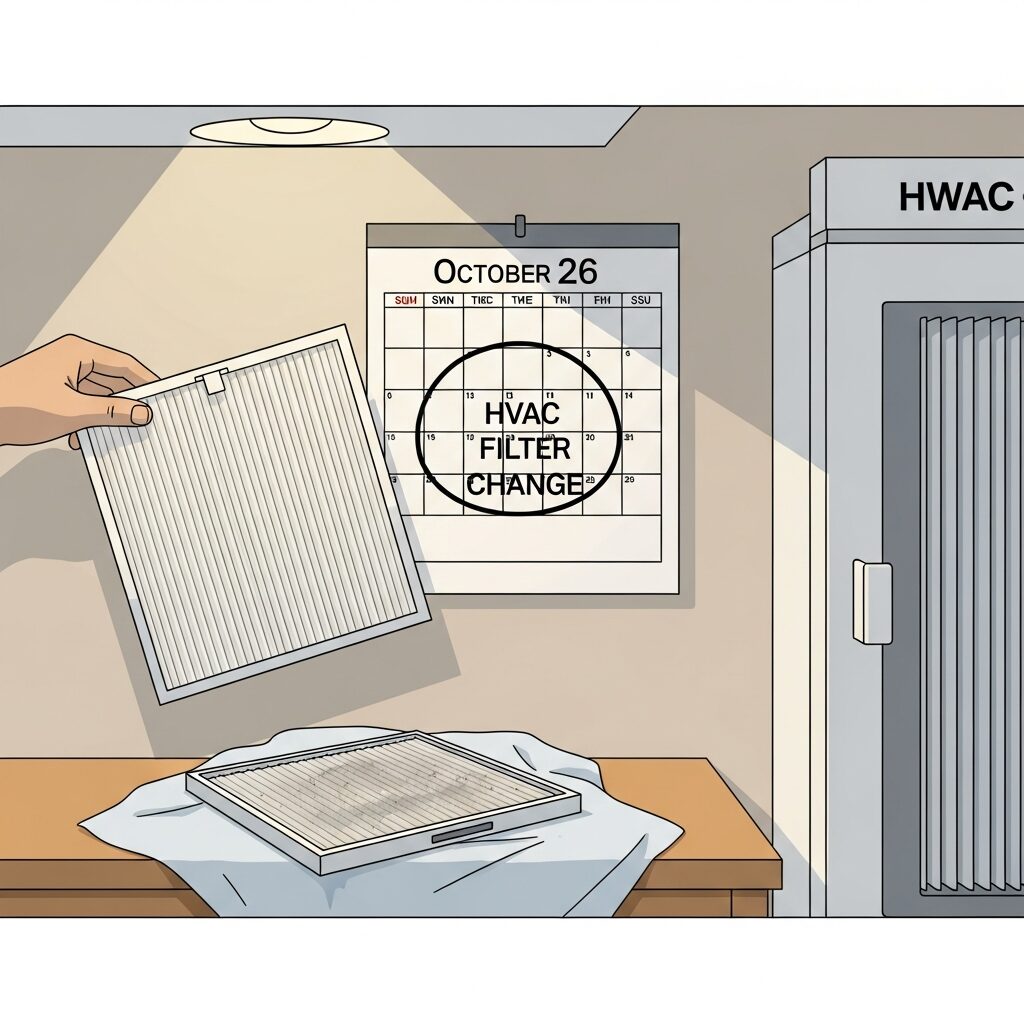
Filters are the everyday gatekeepers of your HVAC system. Changing them consistently is one of the most effective ways to slow down duct accumulation. If you’re unsure whether your filter choice is appropriate, you can pay attention to how quickly it loads up and whether airflow feels reduced when it gets dirty. A filter that is neglected for too long can allow bypass or create conditions that encourage more debris to settle in the system.
Return grilles deserve attention too. Because returns pull air back to the system, they naturally collect lint and dust. Cleaning the return grille periodically can reduce the amount of loose debris that gets pulled inward. This simple habit can extend the time between professional duct cleanings, especially in homes with pets or high foot traffic.
What About Homes Near Busy Roads or With Frequent HVAC Use?
Homes closer to heavier traffic can experience more fine particulate intrusion, especially if windows are opened often. Frequent HVAC use also means more air cycles through the ducts, which can move and redistribute fine particles. In these homes, it’s not unusual to consider duct cleaning a bit more often, particularly if you notice dust patterns that correlate with HVAC operation.
The important thing is to avoid guessing. If you’re uncertain, a conversation with a reputable provider can clarify whether what you’re seeing is normal or suggests a deeper accumulation. Frequency decisions are best made with context.
FAQ: Air Duct Cleaning Frequency in Sherman Oaks
Q: Is there a standard schedule everyone should follow?
No. Frequency depends on filtration habits, pets, renovations, how often the HVAC runs, and how much outdoor dust enters the home. A calendar rule alone doesn’t fit every household.
Q: When is the best time to clean ducts after a remodel?
After the dusty work is complete and the home has been cleaned up. If the HVAC ran during construction, cleaning the ducts afterward can help remove residual fine dust.
Q: Do pets mean I need more frequent duct cleaning?
Not automatically, but heavy shedding can increase debris in returns and ducts. If you see return grilles collecting hair and lint quickly, it may be worth cleaning sooner.
Q: Can good filters replace the need for duct cleaning?
Good filters and consistent changes can greatly reduce buildup and extend the interval, but they may not remove debris that has already settled or entered during events like construction.
Q: What if I’m moving into a new home in Sherman Oaks?
Duct cleaning can be a good way to establish a clean baseline, especially if you don’t know the prior maintenance history or if the home has been vacant or remodeled.
Set the Right Schedule for Your Home—Not Someone Else’s
The best duct cleaning frequency is the one that matches your home’s real conditions: your filter habits, your lifestyle, your pets, and any renovations you’ve done. If you want help deciding whether it’s time now or whether you can comfortably wait, schedule a professional assessment and plan air duct cleaning when it will make a meaningful difference. In Sherman Oaks, a smart, situation-based schedule keeps your HVAC system cleaner without turning maintenance into a guessing game.
عشر