
In Sherman Oaks, HVAC systems do a lot of heavy lifting. We lean on air conditioning for comfort through long warm seasons, and we often keep doors and windows closed to manage heat, traffic noise, and those stretches when outdoor air quality just isn’t appealing. That reality makes your ductwork more than a hidden network behind walls and ceilings—it becomes the main route your indoor air travels every day. When homeowners consider tackling ducts themselves, it’s usually with good intentions: they want cleaner air and a cleaner home. But the difference between a quick DIY attempt and a truly effective, safe result is often the difference between surface cleaning and professional work. If you’re looking into air duct cleaning in Sherman Oaks, understanding why professional service matters can help you avoid wasted effort and protect your HVAC system.
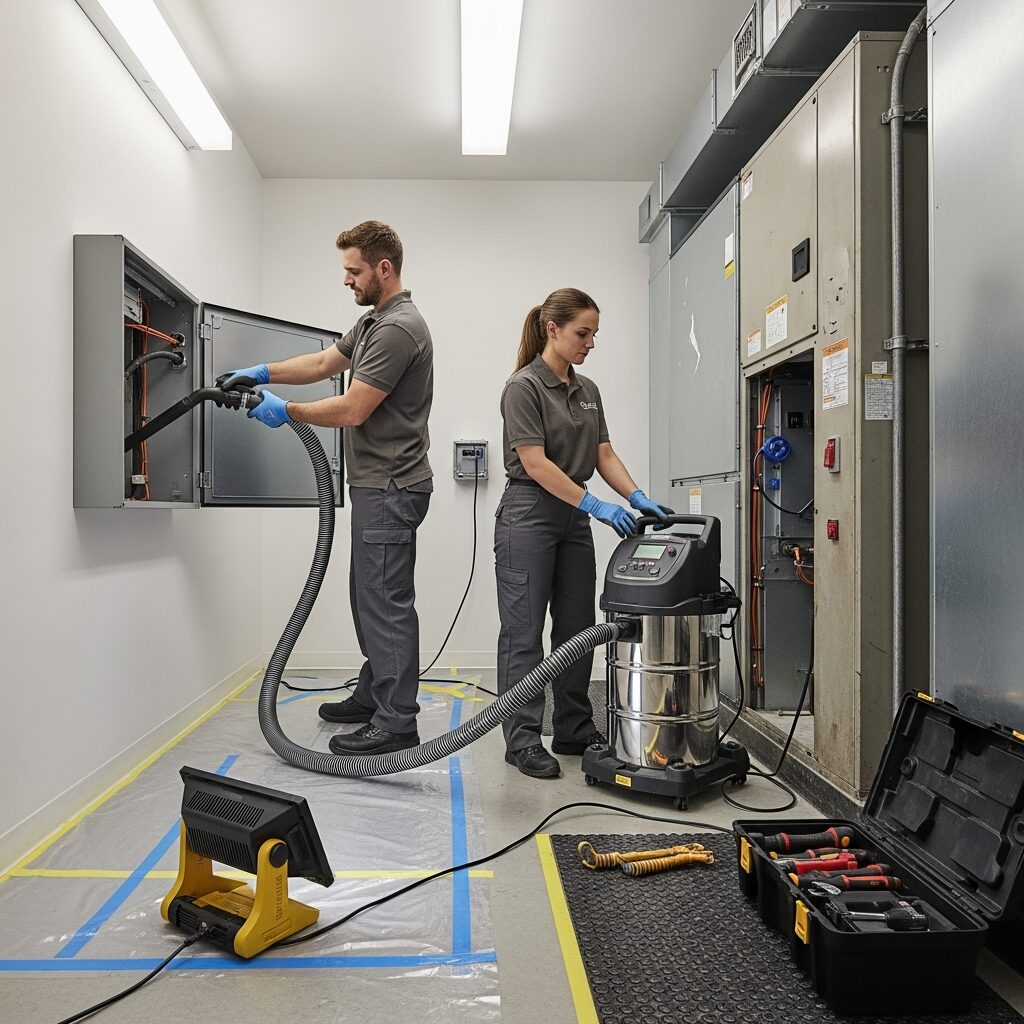
The first reason is simple: duct systems are larger and more complex than they appear from the vent cover. A register opening might show you a short section of duct, but most of the system is out of sight—trunk lines, branches, return drops, transitions, plenums, and tight turns that collect debris where household vacuums can’t reach. Professionals use equipment designed to create controlled negative pressure throughout the system so loosened debris is pulled out rather than redistributed into rooms. Without that containment, it’s easy to dislodge dust and end up breathing it in or watching it settle back onto furniture.
In Sherman Oaks homes, access can be particularly challenging. Many duct runs travel through attics with blown-in insulation, tight rooflines, or limited walk space. Some older homes have duct sections routed through wall cavities or crawlspaces that are difficult to navigate safely. A professional crew is prepared for those conditions, not only with the right tools, but with the habits that prevent damage to the home: protecting flooring, sealing access points correctly, and working in a way that doesn’t compromise insulation or create air leaks.
Professional duct cleaning also matters because duct materials vary. Some systems are mostly metal, others rely on flex duct, and some include fiberglass-lined sections. Each material needs a different level of agitation and different tools. Metal can often tolerate more robust brushing, while flex duct can tear if handled aggressively, and fiberglass lining can be damaged if scrubbed too hard. Professionals are trained to recognize what they’re working with and adjust methods accordingly. DIY attempts often assume “more force is better,” and that’s how ducts get punctured, liners get shredded, or connections get loosened.
Then there’s the issue of what’s actually inside the ductwork. Not all dust is the same. Some homes have fine drywall dust left behind from a remodel. Others have heavy pet dander, lint, or debris pulled in through leaky returns. Occasionally, there are signs of moisture that make particles cling to surfaces and create persistent odors. A professional doesn’t just remove debris; they evaluate what it suggests about the system. If the returns are unusually dirty, it may point to filtration bypass. If there’s debris that looks like insulation fibers, it may suggest duct leakage in the attic. That kind of insight is hard to gain from a quick glance with a flashlight.
Safety is another reason to rely on trained service. HVAC systems include electrical components, moving blower parts, and delicate coil fins that can be easily bent. A professional understands how to work around these components without damaging them. They also understand how to keep the system sealed during cleaning so particles don’t migrate into living spaces. In a busy Sherman Oaks household, the last thing you want is a project that spreads dust through the home or causes a system issue right before a heat wave.
Professional service is also about thoroughness. Effective duct cleaning is not just vacuuming the vents. It’s addressing supply and return pathways, and paying attention to the main trunk lines where debris tends to accumulate. It often includes cleaning the blower compartment area and other accessible interior HVAC surfaces that influence how clean the circulated air actually is. When those areas are ignored, dust can re-enter the duct system quickly, and the homeowner is left wondering why the results didn’t last. A professional approach aims to reduce that rebound effect by treating the system more holistically.
In the middle of the process, a reputable provider will communicate clearly about what they’re doing and what they’re finding. That transparency matters because duct cleaning is an area where vague promises can lead to disappointment. A professional will explain the steps, the equipment, and the boundaries of the service—what can be cleaned safely and what might require separate repair. When you hire for air duct cleaning, look for that willingness to educate, because it’s usually a sign that the work is being done with care rather than speed.
Sherman Oaks also has its own set of indoor air challenges that make professionalism valuable. Homes near major roads can see more fine particulate, and homes that stay closed up for months at a time rely heavily on HVAC circulation. During times when outdoor air quality dips, people often run systems more while keeping windows shut. In those moments, the quality of the HVAC distribution network matters more, because you’re essentially living in a controlled air loop. Professional duct cleaning, paired with good filtration, can help keep that loop cleaner and more comfortable.
Another key reason is protecting the HVAC system’s performance. Dust and debris don’t just sit quietly—they can influence how the system breathes. Returns that are packed with lint or debris can reduce airflow. Dust that migrates into equipment compartments can contribute to buildup where it’s not wanted. While duct cleaning is not a substitute for mechanical maintenance, it supports it. Clean pathways make it easier for the system to move air the way it was designed, which is especially important when the AC is working hard in summer.
Professionals also help you avoid common myths. One myth is that a quick cleaning of vent covers is enough. Another is that all dust problems are “in the ducts.” In reality, indoor dust comes from many sources—fabric fibers, skin cells, outdoor dirt, and more. A good professional will set realistic expectations: duct cleaning reduces stored debris and can reduce recirculation, but it doesn’t eliminate dust entirely. That honest framing helps you make smarter decisions about what else you may want to do, like improving filter fit or sealing duct leaks.
After the cleaning, professional guidance continues to matter. Homeowners benefit from simple, practical advice on maintaining results: choosing the right filter for the system, changing it on schedule, keeping returns unobstructed, and watching for signs of leakage. In older Sherman Oaks homes, duct leakage is a common culprit behind rapid reaccumulation because attic air can be dusty and full of insulation fibers. Addressing leakage can make a bigger difference than repeating cleanings too frequently.
It’s also worth acknowledging the value of minimizing disruption. A professional crew knows how to work efficiently while keeping the home clean—using protective coverings, managing hoses and equipment, and keeping work areas orderly. For families juggling work, school, and daily routines, that matters. The goal is to improve the home, not turn it into a dust zone for a day.
When you add all of this up, professional duct cleaning matters because it’s a combination of correct equipment, correct technique, and correct judgment. It’s the difference between stirring up dust and actually removing it. It’s the difference between cleaning without consequence and cleaning in a way that risks damaging duct materials or HVAC components. And in a place like Sherman Oaks, where HVAC comfort is a daily necessity for much of the year, those differences are worth taking seriously.
FAQ
Q: Can I clean my ducts just by vacuuming inside the vents?
A: You can remove some loose debris near the openings, but most of the duct system is out of reach. Without negative pressure and proper agitation tools, you’re unlikely to remove buildup deeper in the runs and may end up redistributing dust into the home.
Q: Why does duct material matter?
A: Metal, flex duct, and fiberglass-lined ducts respond differently to agitation. Using the wrong tools or too much force can tear, collapse, or damage duct surfaces, which can create new problems like leaks and poor airflow.
Q: Does professional duct cleaning include the HVAC unit itself?
A: Many comprehensive services address accessible interior components like the blower area and other sections that influence air quality. It’s important to ask what’s included so you understand whether it’s a full-system approach or only the ducts.
Q: How do I know the cleaning is being done thoroughly?
A: Look for clear explanations of the process, attention to both supply and return sides, proper containment, and careful handling of registers and access points. Transparency about what they find is also a good sign.
Q: Will professional duct cleaning solve all indoor air quality issues?
A: It can reduce stored dust and debris in the air pathways, but indoor air quality also depends on filtration, humidity, ventilation, and sources like cooking or pets. A good provider will help you think about the full picture.
Choose a careful, system-wide approach for your home
If your goal is cleaner circulation and a more comfortable indoor environment, it’s worth choosing a service that treats your ducts and HVAC system with the right combination of power and restraint. For a thorough, professional air duct cleaning in Sherman Oaks, schedule a visit and ask for a clear explanation of how the system will be cleaned, how your duct materials will be protected, and what steps you can take afterward to keep the results lasting.