
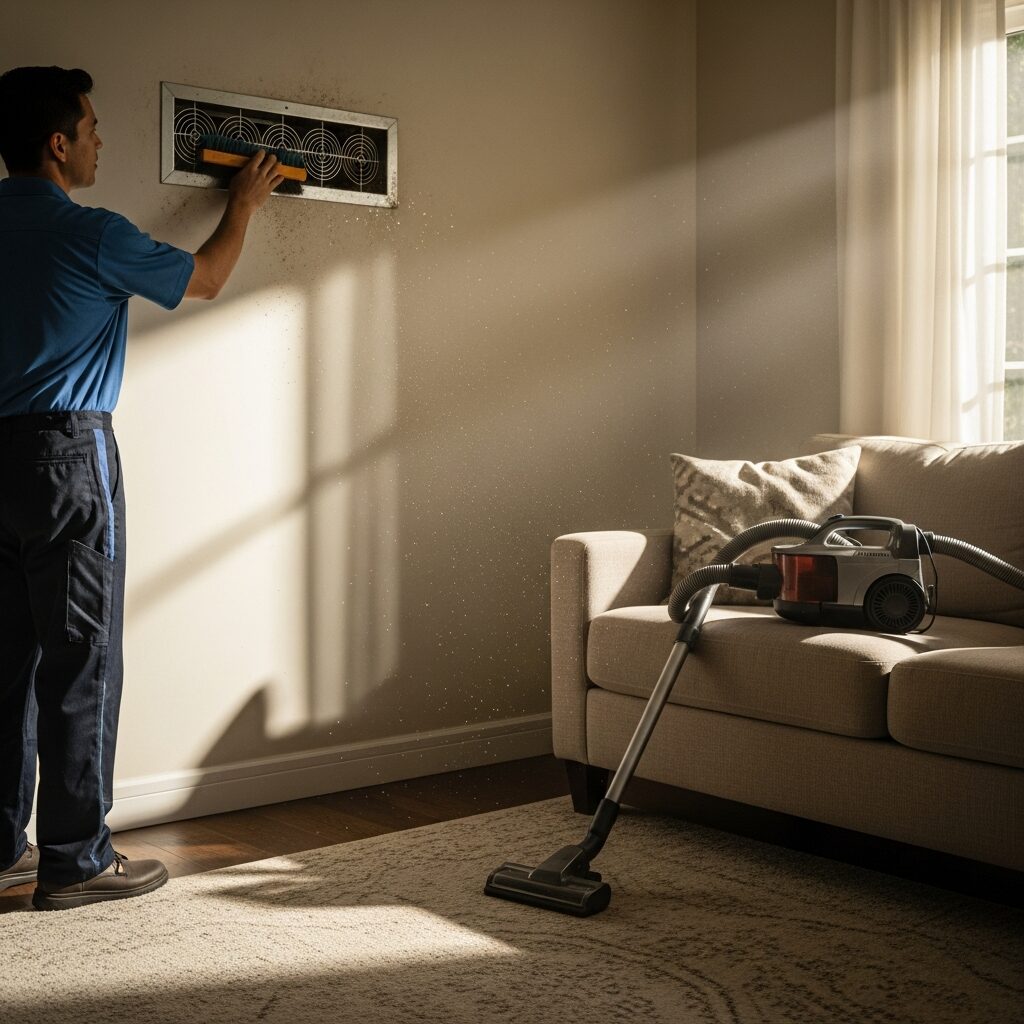
The Common Duct Problems Sherman Oaks Homeowners Run Into
Sherman Oaks homes come in all shapes and ages, from mid-century properties tucked into quiet streets to newer builds with open layouts and multiple zones. What they share is the same basic reality: the HVAC system moves a lot of air, and the ductwork is the unseen network that makes comfort possible. When something goes wrong in that network, the symptoms can feel frustratingly vague. A room feels stuffy. Dust keeps coming back. An odor appears only when the system kicks on. You might not immediately think “ducts,” but many common comfort and air-quality complaints trace back to what’s happening in the duct system.
Local conditions can amplify those issues. We’re close to major roadways, we get dry and dusty stretches, and winds can push fine particles into yards and through open doors. Add in pets, kids, and the occasional renovation project, and ducts can become a collection point for debris over time. Homeowners exploring air duct cleaning often do so after noticing one of these recurring issues that doesn’t improve with surface cleaning alone.
Understanding the most common problems can help you decide what’s normal, what’s worth monitoring, and what should be addressed sooner rather than later.
Dust That Returns Too Quickly
One of the most frequent complaints in Sherman Oaks is that the home looks clean, but dust seems to reappear almost immediately—especially on dark furniture, shelves, and around supply vents. Some dust is unavoidable, but when it feels excessive, the HVAC system can be part of the reason. Return vents pull in air from the home, and along with that air comes lint, hair, and fine particles. Over time, some of that material can accumulate in ductwork, especially if filters are thin, poorly fitted, or not changed consistently.
In many homes, you’ll notice dust buildup around registers first. That’s because the edges of vents become a “catch point” for particles and show visible staining. It doesn’t automatically mean the ducts are packed with debris, but it is a clear sign that airflow is moving dust around and that the areas closest to the vents are collecting it.
If you’ve been vacuuming diligently and still feel like you’re losing the dust battle, it may be time to look beyond surface cleaning and consider what’s being circulated through the HVAC system.
Odors at Startup or During Specific Cycles
Another common issue is a smell that shows up only when the system turns on, then fades as it runs. People describe it as dusty, musty, or simply “stale.” In Sherman Oaks, where we might go a few days without running heat or AC and then suddenly need it again, that first-cycle odor is easy to notice.
Odors can come from multiple places—dirty filters, coils, or moisture issues—but ducts can hold onto dust and organic particles that pick up smells over time. If the odor appears to blow from the vents and seems stronger in certain rooms, ductwork is a reasonable suspect. A thorough inspection can help differentiate between normal “first run” smells and odors that suggest buildup or contamination somewhere in the system.
It’s also worth noting that lifestyle odors can be carried by airflow. Cooking aromas, pet odors, and even strong cleaning product scents can be drawn into returns and redistributed. When ductwork has a layer of dust, those odors can cling to particles and become more noticeable.
Uneven Airflow and Hot Spots
Sherman Oaks homes often have rooms that behave differently. An upstairs bedroom may stay warm. A hallway might feel stuffy. A living room near large windows may be harder to cool. Some of that is architecture, sun exposure, and insulation, but duct problems can contribute too.
When ducts have accumulated debris, airflow can be reduced. Even more commonly, vents and returns can be partially blocked by dust buildup or by furniture placement. Return vents that are obstructed can cause the whole system to feel less responsive because air can’t circulate properly.
Uneven airflow can also be a sign of duct leakage or disconnected sections, which is more common than many homeowners realize, especially in older homes or after renovations. While duct cleaning addresses debris, an inspection may reveal that sealing or repair is the more important step for comfort.
Dirty Return Vents and Fast-Clogging Filters
If your filter looks loaded with dust well before it should, that’s a clue worth taking seriously. It could mean the home is generating more dust than average—pets, frequent window opening, nearby construction—but it can also indicate that return pathways are pulling in extra debris. Return grilles that look dusty or grimy are common in high-traffic homes, particularly if the return is located low on a wall where it can pull in particles that settle near the floor.
In many Sherman Oaks households, the return vent is near a hallway where everyone passes by. Shoes track in fine dust, and the HVAC system quietly collects it. If you notice the return grille getting dirty quickly, cleaning the grille is a good start, but it may also be a sign that deeper duct sections are accumulating material.
Filters are essential, but they’re only as effective as their fit and replacement schedule. A filter that leaves gaps around the edges can allow unfiltered air—and dust—to bypass it and settle in the system.
Post-Renovation Residue in the Air
Renovation is a major contributor to duct issues in our area. Sanding drywall, cutting tile, and refinishing floors produce extremely fine dust. Even with good containment, that dust can travel. If the HVAC runs during or soon after a project, returns can pull that debris into the ductwork. Then, for months afterward, you might notice a dusty smell or persistent fine dust on surfaces no matter how much you clean.
This is one of the clearest times when duct cleaning makes sense. A careful cleaning after major work can remove lingering construction debris from the airflow path and help the home feel normal again. It’s also a way to protect the system from having that fine dust settle in places where it can cause longer-term maintenance headaches.
Middle-of-Home Reality: What “Common Issues” Look Like Day to Day
These problems rarely announce themselves with a single dramatic failure. More often, they show up as small annoyances that build over time: you clean and the dust returns, you run the AC and notice a smell, or you realize one room never feels quite right. At some point, homeowners get tired of guessing and want a clearer answer. That’s where a professional inspection and, if appropriate, a air duct cleaning can be useful—not just for the cleaning itself, but for understanding what’s actually happening in the system.
When ducts are addressed as part of overall HVAC health, you often regain a sense of predictability. Airflow feels steadier. Dusting becomes more routine rather than constant. Odors don’t surprise you when the system cycles on. These are quality-of-life improvements that matter in everyday Sherman Oaks living, where your home is your refuge from traffic, heat, and the general buzz of the city.
When the Issue Might Be More Than Dirt
It’s important to be honest: not every duct-related symptom is solved by cleaning. Some issues point to mechanical or structural problems. If the home has persistent humidity, visible condensation near vents, or signs of water intrusion, moisture must be addressed first. If airflow is severely reduced, the cause could be a damaged duct, a collapsed flexible line, or an equipment issue.
Similarly, if you hear whistling, rattling, or booming noises when the system runs, duct connections or dampers could be involved. Cleaning helps when debris is the main factor, but noises often come from pressure imbalances, loose fittings, or undersized return paths. A good service provider will talk through these possibilities rather than assume a single solution fits every home.
The most productive approach is to treat duct cleaning as part of a diagnostic pathway. Cleanliness matters, but so does sealing, insulation, filtration strategy, and ventilation habits.
Practical Signs You Can Check Without Tools
Homeowners don’t need special equipment to notice early signs of duct issues. Look at the supply registers: is there dark dust staining? Check the return grille: does it look dirty shortly after cleaning? Pay attention to the first few minutes when the system starts: do you smell something dusty or musty? Notice whether certain rooms always lag behind in comfort. These small observations are often the best indicators that something is developing.
Even the way you feel in the home can be a clue. If you or family members seem to sneeze more when the HVAC is running, or eyes feel irritated indoors, it’s worth considering whether dust buildup in the airflow pathway is contributing.
FAQ: Common Air Duct Cleaning Issues in Sherman Oaks
Q: Why do I see dust around my vents even after I clean the room?
A: Vents are high-airflow areas, so they tend to collect and show dust more quickly. It can indicate that dust is being carried by airflow or that registers and nearby duct sections have buildup that gets disturbed when the system runs.
Q: Is a musty smell from vents always a duct problem?
A: Not always. It can come from a dirty filter, coils, or moisture issues. However, ducts can hold dust and organic particles that contribute to odors, especially at startup after the system has been off.
Q: My home has uneven temperatures—will duct cleaning fix that?
A: It can help if dust buildup or blocked vents/returns are restricting airflow. If uneven temperatures are caused by duct leaks, poor insulation, or HVAC sizing, cleaning alone may not solve it, but it can be a helpful component of improving comfort.
Q: How do renovations affect ductwork?
A: Renovations produce fine dust that can be pulled into return vents and settle in ductwork, especially if the HVAC runs during the project. Post-renovation duct cleaning can help remove that residue and reduce lingering dust issues.
Q: If my filters get dirty quickly, does that mean my ducts are dirty?
A: Fast-clogging filters can indicate higher dust levels in the home or heavy HVAC use. It can also suggest that returns are pulling in a lot of debris. An inspection can clarify whether duct cleaning would be beneficial.
Get Clarity and Comfort Back in Your Home
If you’re dealing with stubborn dust, strange odors, or airflow that just doesn’t feel right in your Sherman Oaks home, you don’t have to keep guessing. A careful evaluation and professional air duct cleaning can address common buildup issues and help reveal whether other factors—like leaks, filtration, or moisture—need attention too. Schedule a service that focuses on protecting your home, explaining what’s found, and helping you restore that clean, steady comfort you expect from your HVAC system.