
What a Real Estimate Should Do for You
When you’re trying to get an air duct cleaning estimate in Sherman Oaks, you’re not just shopping for a number—you’re looking for clarity. You want to know what the company will actually do inside your home or office, how they’ll protect your space, and whether the scope matches the problem you’re trying to solve. A good estimate acts like a small plan: it outlines what’s included, what the technician expects to find, and what a successful outcome looks like.
In my experience, homeowners feel most confident when they understand the basics before anyone shows up at the door. That way, the conversation stays grounded in process rather than sales talk. If you’d like a simple foundation for what’s involved, take a moment to read about air duct cleaning so you can recognize the terms a contractor should be using, like negative pressure, source removal, supply and return pathways, and access point sealing.
Why Estimates Vary in Sherman Oaks: The Neighborhood Is Not One-Size-Fits-All
Sherman Oaks is a patchwork of architectural styles and renovations. Some homes have straightforward duct runs and easy attic access. Others have additions, converted garages, or multi-level layouts that create longer runs, more registers, and more complicated return pathways. Even two houses with similar square footage can have very different duct designs depending on how the HVAC was installed or modified over time.
Access conditions matter too. An attic with decent clearance allows technicians to locate lines and work methodically. A tight crawl space or a congested attic with low clearance slows everything down and requires extra care. Estimates should reflect these realities, not gloss over them. When a company asks about your layout, number of vents, and where the equipment is located, that’s usually a sign they’re trying to build an accurate picture rather than offering a generic quote.
Another local factor is environmental dust. Valley winds, nearby traffic corridors, and seasonal smoke can increase the fine particulate that ends up indoors. That doesn’t automatically mean your ducts are in bad shape, but it can influence how quickly debris accumulates and how involved a cleaning might be.
What Information You Should Have Ready Before Calling
You can help yourself get a more accurate estimate by gathering a few basics. Know roughly how many supply vents you have and how many return grilles. Notice whether you have one thermostat or multiple zones. If you’ve had recent renovations—flooring work, drywall repair, cabinet installs, or even heavy painting—mention it. Construction dust is a major reason systems get loaded quickly, especially on the return side.
Also, take note of any specific concerns. Are you seeing dust around vents? Does the HVAC produce a stale smell on start-up? Are certain rooms stuffy or slow to cool? These clues help a technician anticipate whether the issue is mostly debris in the ductwork or something else, like duct leakage, inadequate returns, or a balance problem. A great estimator listens closely and explains what your symptoms might mean, rather than forcing everything into the same template.
How a Walkthrough Estimate Should Feel
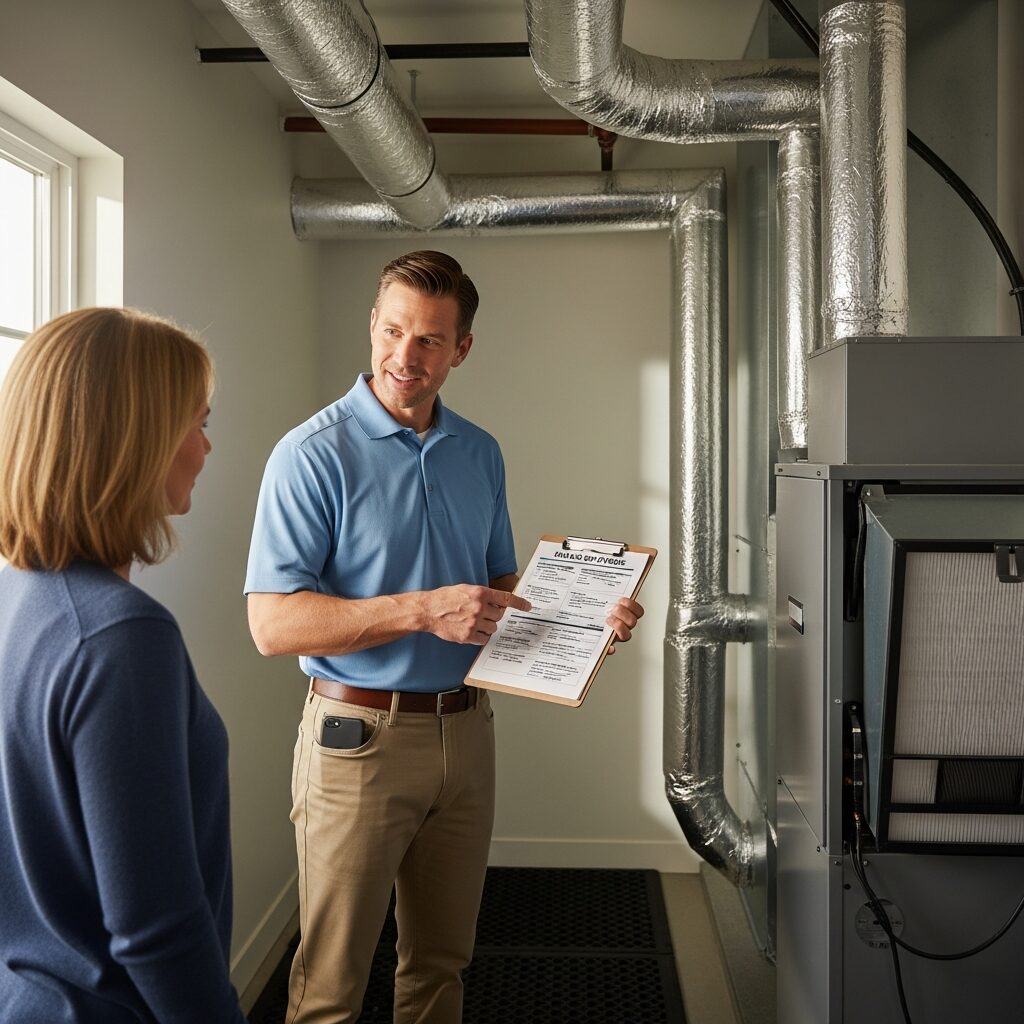
A walkthrough estimate is often the best way to get clarity, especially for older homes or homes with additions. The technician should be comfortable looking at your air handler location, checking filter access, and observing the return pathways. They may remove a return grille to see what’s happening just inside the cavity. They might also point out areas where dust is entering the system, such as gaps around filter racks or leaky return chases. This kind of observation is valuable because it distinguishes cleaning needs from repair needs.
In Sherman Oaks, many HVAC systems are in attics, which makes it reasonable for an estimator to ask about attic access. If the company is willing to take a look, they can better understand whether duct runs are flexible or metal, whether the lines appear intact, and whether there are signs of leakage pulling in attic dust or insulation fibers. A good estimate is never just a guess—it’s an informed recommendation based on what they can observe and what you can describe.
Midway Through the Conversation: What the Scope Should Include
When you’re in the middle of comparing estimates, focus on the scope language rather than getting lost in broad promises. The estimate should state whether both supply and return ducts are included. Returns matter a lot because they act like the system’s intake, pulling in lint, hair, and dust from the living space. If returns are ignored, dust can keep reentering circulation even if supply vents look cleaner.
It’s also useful to ask how the company will contain debris. Will they place the system under negative pressure? How do they prevent dust from escaping into rooms? Do they protect floors and furnishings? A contractor who can describe these steps clearly is usually operating with a real process. If you want to align what you’re hearing with a straightforward explanation of the service, reviewing air duct cleaning can help you verify that the estimate is describing a true source-removal approach rather than a quick vent-only cleanup.
Access points are another key detail. If access holes are needed to reach trunk lines, the estimate should explain how those openings will be sealed afterward. Sealing isn’t just cosmetic; it helps prevent new dust intrusion and supports stable airflow.
What to Watch Out for When Getting Estimates
Some estimates look impressive but are vague where it matters. Be cautious of proposals that don’t mention returns, containment, or how debris is captured. Also be cautious of any estimate that is offered instantly without asking anything about your system. A legitimate company can give general guidance over the phone, but a true estimate should be tied to your home’s specific layout and the number of vents and returns involved.
Another red flag is pressure. A professional estimator doesn’t rush you into decisions. They explain what they see, what it means, and what options exist. If the technician identifies signs of duct leakage or moisture concerns, they should discuss those honestly. Sometimes the best next step is sealing or repair rather than cleaning alone. A trustworthy company is willing to say that, even if it means the solution is more nuanced than you expected.
How to Get the Most Value From the Service After You Approve the Estimate
Once you decide to proceed, a few simple actions can help the appointment go smoothly. Clear access to the air handler and to returns and supplies if possible. If you have pets, consider keeping them in a separate room so technicians can work without stress. If you work from home, plan for some noise and movement between rooms. And if you have any delicate items near vents—artwork, lightweight decor, or electronics—moving them slightly can add peace of mind.
After cleaning, the best way to maintain the results is consistent filtration. Replace filters on a schedule that matches your household’s realities, especially if you have pets or run the system heavily. Make sure filters fit properly, and keep return grilles reasonably clean. If you have ongoing dust issues, consider asking about duct sealing or return pathway improvements, because cleaning is most effective when the system stays tight and controlled.
FAQ: Getting an Air Duct Cleaning Estimate in Sherman Oaks
Q: Can I get an estimate without an onsite visit?
A: You can often get a rough range by sharing the number of vents and returns, system type, and access conditions. For the most accurate estimate—especially in older homes or homes with additions—an onsite walkthrough is usually better.
Q: What should an estimate include besides the service description?
A: It should describe the scope clearly, including whether returns and supply ducts are included, how debris will be contained and captured, and how access points will be sealed afterward.
Q: Why does the number of return grilles matter?
A: Returns are where a lot of household debris enters the system. They often require substantial attention, and they influence how comprehensive the cleaning needs to be.
Q: Will duct cleaning solve every dust problem in my home?
A: It can reduce the reservoir of debris inside the duct system, but dust can also come from duct leaks, outdoor infiltration, and everyday living. A good estimate conversation should address those possibilities.
Q: How do I know the company won’t make a mess in my house?
A: Ask about containment, negative pressure, and home protection steps. A professional provider will explain how they keep loosened debris from escaping into rooms.
Schedule a Clear, No-Guesswork Next Step
If you’re ready to get an estimate that actually explains what will happen in your home, choose a team that asks thoughtful questions and puts the scope in writing. Sherman Oaks homes deserve careful work—especially in attics and return pathways where dust tends to hide. Start by reviewing air duct cleaning, then reach out to schedule an evaluation so you can move forward with a plan that feels transparent, thorough, and tailored to your system.