
From the oak-lined side streets near Riverside Drive to the busy condo corridors along Ventura Boulevard, Sherman Oaks homes share one invisible system that most people don’t think about until laundry day runs long: the dryer vent. It’s out of sight and easy to forget, but it sets the rhythm for your week, influences indoor air quality, and plays a major role in household safety. Early in my career, I learned that a clean, unobstructed vent is more than just a nicety—it’s foundational. That’s why regular, professional dryer vent cleaning matters so much here in the Valley, where a mix of older ductwork, varied construction styles, and busy family schedules can quickly turn a minor restriction into a major hassle.
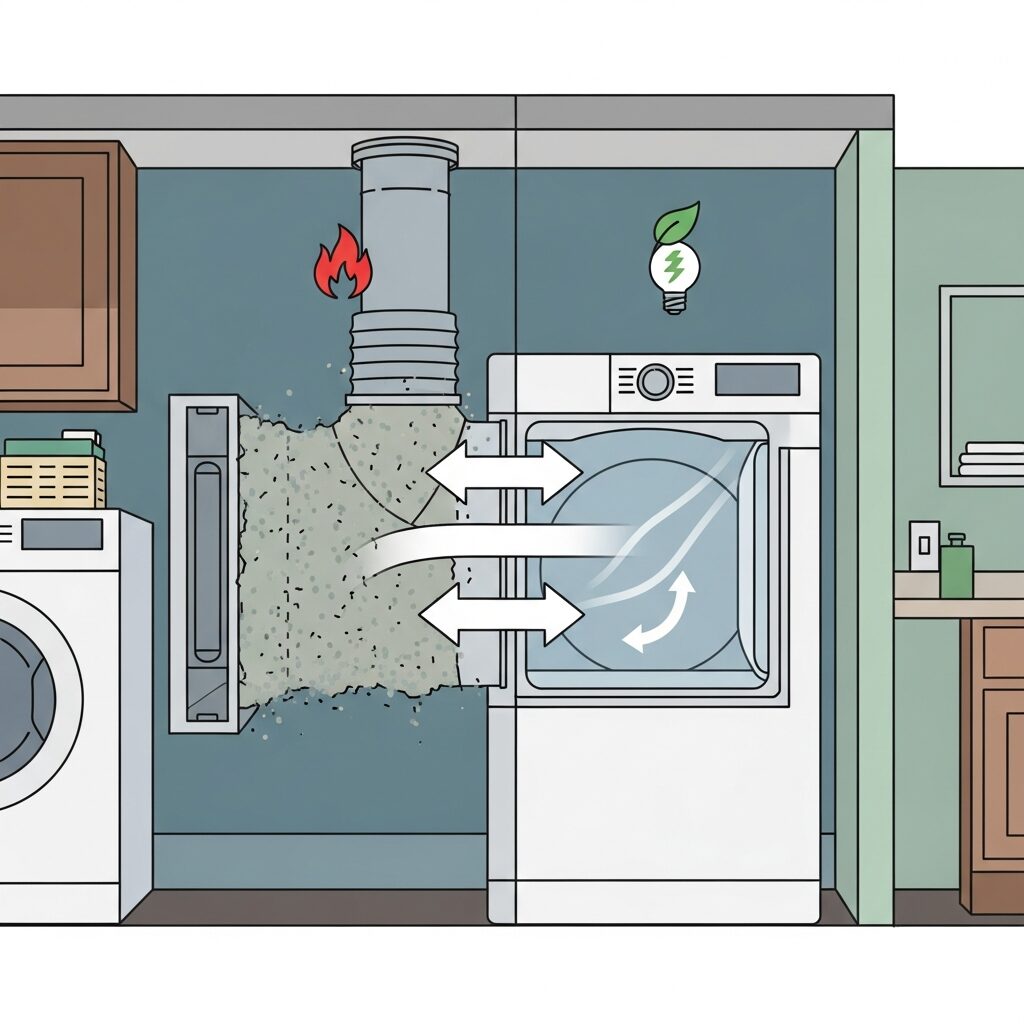
To understand why vents deserve attention, picture what’s happening inside your dryer. Warm air lifts moisture from fabric and carries it down the duct to the outdoors. Lint—microscopic plant fibers—tags along. Even with a clean lint screen, a surprising quantity bypasses the filter and clings to the inner walls of the vent, especially at elbows. Over time, that layer thickens into felt-like mats. As the opening narrows, airflow slows, temperatures rise, and cycles drag on. The machine works twice as hard to move the same volume of air, which means more energy used, more heat trapped in your laundry room, and more wear on every moving part.
The Local Factors That Make Vents Clog Faster
Sherman Oaks is a study in contrasts. We have post-war single-story homes with long, low crawlspaces where ducts sag unless they’re perfectly supported. We have newer multi-level buildings where vents rise two or three stories and punch out through roof caps. And we have plenty of townhomes with laundry closets tucked in tight hallways, where the transition hose is often forced into a tight bend. Each of these layouts presents unique constriction points where lint collates. Add in pet hair from dog-friendly complexes, renovation dust from active remodels, and the occasional outdoor debris pulled in at the termination, and even a relatively new system can struggle.
Another factor is usage pattern. Families with athletes or little ones run frequent towel and bedding loads, which release more lint than light garment cycles. Airbnb or in-law units common to our area see back-to-back loads that push vents harder with minimal cool-down time. And because we live in a warm climate, many people keep laundry room doors shut to contain AC. Without adequate makeup air, the dryer strains to pull intake, compounding the effect of internal lint buildup.
Safety Is the First Reason—Not the Only Reason
It’s impossible to overstate the safety angle. Lint is tinder. When heat concentrates behind a blocked vent, the risk escalates. I’ve opened ducts in Sherman Oaks that held baseball-sized lint plugs just beyond the first elbow. Those plugs act like a curtain: heat and humidity back up in the drum, sensors get confused, and the element cycles more often to compensate. When temperatures run hot on the wrong side of a lint mat, embers can form. Cleaning removes the fuel and lowers the operating temperature, making the whole system calmer and safer.
But safety isn’t the only reason. Efficiency gains are immediate and compelling. I regularly measure airflow before and after service. Where a restricted system wheezes, a clean system breathes. That translates into shorter cycles, less wrinkling, and fabrics that feel drier and fresher right away. Many homeowners think they need a new dryer when, in fact, the machine simply needs an open airway to do its job.
How Professional Cleaning Addresses the Root Problem
Effective service does more than poke a vacuum nozzle into the first few feet. We start by establishing a baseline: airflow at the exterior hood, temperature rise at the drum, and a quick look at the lint screen for residue that can choke flow. The transition hose is inspected and reshaped or replaced if it’s crushed, torn, or of the flimsy foil variety. Then we work the full length of the duct with brush tools sized to the pipe, always under negative pressure so debris gets captured rather than pushed deeper. If the run terminates on the roof, we coordinate from above to ensure the damper swings freely and the housing is clear. At the end, we re-measure airflow and verify a strong, sustained push that lifts the exterior damper with authority.
The difference is practical and immediate. Where damp towels once needed a second go, they emerge fluffy and done. Where the laundry closet used to feel like a sauna, it settles back to room temperature. And perhaps most satisfying, the dryer’s rhythms smooth out—no more long, late-cycle droning that keeps you wondering whether the load will ever finish.
The Sherman Oaks Scenarios I See Most
In hillside homes off Beverly Glen, vertical vents with multiple elbows are common. Lint tends to gather at each bend, forming rings that slowly shrink the path. In mid-century homes near Magnolia Woods, I find long horizontal runs that dip between joists and create collection pockets. In apartments near Kester, transition hoses are squeezed into tight closets, leaving the dryer almost kissing the wall. Each scenario is fixable, and each benefits dramatically from a thorough cleaning paired with small adjustments to remove choke points.
Another recurring issue is the exterior termination. Wall hoods with plastic louvers often stick partially open from age and heat, which invites pests and rain, or they stick mostly closed, which throttles the exit. Roof caps with mesh screens violate code in many cases because they become lint sieves; when we find them, we clear the screen immediately and recommend a code-compliant damper that opens wide under exhaust flow and seals when idle.
What You’ll Notice After Cleaning
Most homeowners tell me the first difference is time. Loads finish sooner—sometimes dramatically sooner. The second is texture. Fabrics feel lighter because moisture escapes on the first pass, not the third. You may also notice less static and fewer stubborn wrinkles, especially with mixed loads. And there’s the subtle relief of a quieter laundry space. Without heat buildup, the room stays cooler and your AC doesn’t need to offset the dryer’s waste heat.
Somewhere amid that first week of easier laundry is the perfect moment to lock in a routine and schedule periodic dryer vent cleaning. Regular maintenance sidesteps the cycle of slowdowns and resets, keeping airflow high and your dryer operating in its comfort zone.
Simple Habits That Help Between Visits
Clean the lint screen before every load and rinse it occasionally if you use dryer sheets that can leave residue. Give the dryer a few inches of clearance so the transition hose isn’t crushed when the drum starts and stops. Group similar fabrics so sensors can accurately gauge when a load is dry. And every now and then, step outside while a load runs and confirm that the exterior damper opens briskly. Weak movement is a hint that it’s time for a professional evaluation.
FAQs
How often should vents be cleaned in Sherman Oaks? Annual cleanings suit most households. Large families, short-term rental units, or homes with long, complex runs often benefit from service every six to nine months.
Are longer dry times always a vent issue? Not always, but it’s the most common cause. Failing heating elements, worn sensors, or incorrect cycle choices can play a role, yet a restricted vent amplifies every other problem. Clearing the vent is the simplest, most impactful first step.
Can a dirty vent affect indoor air quality? Yes. Poor exhaust flow lets warm, humid air linger in the home, which can encourage musty odors and, in some cases, condensation where you least want it. Clean venting expels that moisture where it belongs—outside.
Is foil transition duct acceptable? It’s widely sold but not ideal. The ridges trap lint and crush easily. A smooth-walled, semi-rigid or rigid metal connector holds shape, improves flow, and resists heat better.
What about birds or pests in the vent? It happens, especially at roof caps. Part of our inspection is making sure the termination is clear and the damper moves freely. Screens inside the vent path are not recommended because they clog; a proper damper deters pests without throttling airflow.
How long does a typical service visit take? Most homes are wrapped up in about an hour, but complex or very long runs can take longer. The key is thoroughness and verification of strong airflow before we leave.
Ready for Easier Laundry Days?
If you’re ready to protect your home, recover your time, and lower energy use with a simple, well-timed service, you’re in the right place. From hillside residences to condo laundry closets, I tailor the approach to your layout and verify results before I pack up. Reach out to schedule expert dryer vent cleaning in Sherman Oaks today, and give your dryer the clear path it needs to perform its best on every load.